‘If you don’t get me admitted now, the next person walking through that door will be going through the window!’
Chuck Cash had lost his brother, his marriage, and his life as he knew it, including being a Gun Truck Commander in the Air Force in 120 days. He suffers from a Traumatic Brain Injury (TBI), and he was drinking every day (8 days if he could) and got multiple DUIs within 18 months, along with getting arrested for alcohol related events within those 18 months. He knew he needed to get beyond the door and find peace from the chaos and pain of his life.
One morning, he woke up, packed his bag, and went to the Veterans Hospital in Tampa and told the nurse ‘I need to be checked into rehab now!’ And by now, that means now…fortunately nobody went through the window, and he was taken care of immediately.
Chuck’s stepdad, Thomas ‘PJ’ Zvada, still thinks about his buddies from Vietnam; he served 18 months and arrived just as the Tet Offensivegot going. He was a medic on an Army helicopter often flying into combat areas for rescue. He also kept extra clips on him for his gun to reload and shoot so they could get out with the wounded soldiers; few of us can imagine the cognitive dissonance of saving lives and taking them at the same time. His mind still fights those battles from 50 years ago, waking up in the middle of the night having flashback nightmares. The Vietnam War has been over for 50 years, 50 YEARS, yet for PJ and others that served as he did, it still mentally rages on each day.
“The true soldier fights not because he hates what is in front of him, but because he loves what is behind him.” —G.K. Chesterton
A conversation prompted by tragedy
A Southport Sunrise over Battery Island
What prompted this conversation for Veteran’s Day was borne out of a tragedy in our hometown of Southport, North Carolina. Our town of around 4,000 people is very small, quiet, peaceful, and there is only one restaurant that is open past 10pm. We have no chain restaurants, and it is common to see someone on their porch, introduce themselves, have a conversation and make a new friend shortly thereafter. Our town sits at the intersection of the Intracoastal Waterway, Cape Fear River, with the Atlantic Ocean right around the corner. Palm trees, pelicans, dolphins, boats coming and going, postcard sunrises and sunsets (we face south), make this place any photographer’s dream…we are incredibly grateful to live here. The movie ‘Safe Haven‘ (from the book of the same name by Nicolas Sparks) has made this place feel exactly that.
American Fish Company
Which is why the night of September 27th, 2025, seemed unreal. One of our favorite spots in town (and a draw to many visitors) is American Fish Company, which sits on the waterfront. That night, an armed sniper drove his boat up the Intracoastal Waterway from Oak Island, idled just off the dock and started shooting. He killed 3 people and injured many more. My wife and I were awakened by text and calls from friends and family asking if we were OK, as we had gone to sleep and had not heard the news until the next morning. We could not believe it; our Safe Haven bubble had been shaken to the core.
Remembering Joy, Michael, and Solomon
We mourn with the families who lost loved ones and will always keep you in our hearts, Joy Rogers, Michael Durbin, and Solomon Banjo. They were simply enjoying their evening when this tragedy occurred, and the shooter is a marine and Iraq war veteran. As we learned more, it was discovered he struggled with mental health that was left unchecked; that said, he chose this action and there is no excuse. We are thankful he was caught quickly by the authorities.
What nagged the next few weeks was how it got this bad? Is there anyone who I could talk to that is a veteran, has a Traumatic Brain Injury (TBI) and/or mental health issues due to war and life circumstances that we could all learn from. Angela, my wife, suggested Chuck Cash and his stepdad PJ Zvada. Both war veterans have experienced the worst sides of humanity and have moved beyond the doors in their lives to make peace with their pasts and put purpose to their pain.
Chuck (right) and brother Chris
We recently took a trip to Tampa, Florida to visit Chuck and PJ, and their families. You may remember the story of Chris Cash (Chuck’s brother) who I wrote about in 2023 for Memorial Day and whose life was cut way too short; Chris was supposed to be Angela’s husband and their mom, Rita, her mother-in-law. As I wrote, for Angela it was: “A future that never happened, that was being planned to happen, that should have happened was all gone.“
Part of my mission in learning from others, and seeing through their eyes, is helping us realize that we are not isolated trying to figure and understand everything out on our own. We’re connected everyday with others who have experiences that we can lean on and learn from; their stories strengthen us, and their perseverance encourages ours.
“Deep grief sometimes is almost like a specific location, a coordinate on a map of time. When you are standing in that forest of sorrow, you cannot imagine that you could ever find your way to a better place. But if someone can assure you that they themselves have stood in that same place, and now have moved on, sometimes this will bring hope.” — Elizabeth Gilbert
They missed, then they didn’t…you arebleeding!!
After his brother Chris died, Chuck wanted to be deployed. It was hard being in Tampa and seeing memories of him and his brother everywhere. He was also very angry and wanted every bad person to die (for context: the person who caused the accident that killed his brother in Oklahoma has never been caught or identified).
Chuck was a Gun Truck Commander and in late 2004 there were a lot of operations in and around Fallujah, Iraq. They would go in at night, as they could see and their enemy could not see them well.
Chuck survived this, by THAT much
He will always remember the date everything changed, November 6th, 2004. He had just been on the phone in the truck with his command post letting them know they were under fire and were OK after the first RPG missed, then moments later they were hit. The gunner was thrown from the Jeep, and Chuck and his driver were miraculously alive while a tank near them was able to hunt down the vehicle that fired on them and took care of it. Chuck, though conscious, was bleeding from the back of his head and needed to get medical attention immediately.
He was helicoptered out to Balad Air Base Hospital and then sent via medivac to Landstuhl Hospital at Ramstein Air Force base in Germany. As he was carried onto the C-17, he was given last rites, and the next thing he knew he could see snow falling out the window of the aircraft as they landed. He has no memory of that flight, however he made sure his mom, Rita, knew that he survived. Having just lost his brother, Chris (an Air Force pilot) less than 3 months prior, he knew she needed that reassurance.
It was determined that Chuck ear drums and sinus cavity had burst due to the explosion and had three procedures done; he was in the hospital for six weeks. The sounds of airbrakes might as well have been an airhorn, when he heard them, he would look out the window and pray he didn’t know anyone that was coming in. Service members were not sent there for paper cuts, it was serious, and Chuck would often hear the screams of soldiers within the halls. He realized that he was among people who would not make it home, and that was one of the worst feelings in his life.
As trying as a time this was, the injuries inflicted eternal wounds that day and have transcended into his daily life and Chuck has come to terms with it will be this way the rest of the way.
The sound of a helicopter brings it back
For PJ, when he hears a helicopter overhead, he will always hear it differently than the rest of us. He was an army medic on a helicopter during the Vietnam War, did two tours totaling 18 months. Right after the Tet Offensive, they were going into combat zones to get the wounded, get them on the helicopter, shoot who shoots at them while doing so, and get out. Both he and Chuck put into perspective what is considered a ‘rough job’.
Talking to PJ about his service, he remembers his service mates…his pilot was Dave Johnson. Great guy and PJ wished he could still talk to him.
PJ and Rita, life in Tampa
He suffers from haunting flashbacks and hallucinations from the war and what he saw, so much so that when his mom was alive, she urged him to get some help. He did and conveyed to me how it has helped him manage and navigate his life. The war has been over for 50 years…50 YEARS, and he still suffers from these flashbacks that wake him up on edge in the middle of the night. His therapist, and the fact that he can talk to someone, helps him get through the days and keep him mentally grounded knowing that he can’t simply turn off his war experiences and images, however he can manage it, talk about it, and live his life the best he can.
His wife Rita fully supports it as well, understands, and meets him where he is, mentally and emotionally, every day. Had his mental health gone untreated, PJ does not know what could have transpired only that he would be a lot worse.
“True heroism is remarkably sober, very undramatic. It is not the urge to surpass all others at whatever cost, but the urge to serve others at whatever cost.” —Arthur Ashe
Before moving forward, it all went sideways
Before deployment, Chuck was well tuned in to senior leadership at MacDill Air Force Base in Tampa having been around many Generals personally during the war, he drove and served as a trusted ear to the ground. His life from a work perspective seemed quite stable. His Air Force career started at Beale Air Force Basein California, and with the advantage of him being fluent in Japanese, was transferred to Yokota Air Baseoutside Tokyo; Chuck had spent the majority of his elementary school and high school years in Japan and knows the country very well. There are likely not that many descendants of Cuban immigrants who are fluent in Japanese…proud to know you, Chuck!
While stationed in Japan, he was one of the first American responders on site when the Sirin Gas attacks on the Tokyo subway happened in March 1995 killing 13 people and injuring over 5,800. With a coordinated response by the American and Japanese authorities, many of the attackers were found and arrested soon thereafter.
He eventually ended up back in Tampa (MacDill Air Force Base), working with the Joint Service Commands) being close to his family, and being married with two kids, he was incredibly great at his roles served for our country.
After his injury, he was placed on convalescent leave to heal from his injuries and ultimately ‘Med Boarded’, which is a process of medical evaluation and separation from service due to medical conditions. All that Chuck had worked for, achieved, relationships built in the Air Force, gone. In the same week, and upon return to Tampa, his wife wants a divorce. So, to summarize, he lost his brother, his military career due to injury, and his marriage all within three months.
A personal $&*! storm, and it all went sideways in a short time.
Chuck was drinking every day after the divorce, got a DUI, another one a year later, then another one six months after that; in between all that was arrested several times for alcohol related incidents. One morning, an epiphany, he knew he needed help or his life would be shorter than expected and he could hurt others with irreparable harm.
With his life going spiraling sideways and down, Chuck proceeded to pack his bags and went to the Veterans Hospital in Tampa and checked himself into Rehab, with now meaning NOW. After the nurse told him he could wait and get a referral, he said that the next person was in danger of being thrown out the window if it was not now, and he was admitted right then and there.
Chuck was in Rehab for just over 6 months; they were not nice (and it proved effective) and labeled what he was doing as a drug because it made him feel good (or better). He had lost everything in a span of around 120 days and self-admittedly was so messed up and miserable.
What he did know is that he could get help if he asked…and he did. What I learned is that if he doesn’t ask, others can ask on his behalf, and it will happen.
“Healing takes time, and asking for help is a courageous step.” – Mariska Hargitay
Shifting Gears
He has seen the best and worst of humanity, and his time in rehab allowed Chuck the time and perspective to gain traction and move forward again in life. The losses of his brother, marriage, fellow soldiers, and life in the Air Force had taken a mental and physical toll. After his release and checking on his injuries sustained in combat, a medical scan revealed TBI. He knew that for all intents and purposes, he more or less had a disability that was going to require management and attention daily.
Chuck and Mary Ann, she keeps him grounded in many ways
It was all too real to him when he checked into rehab at the VA hospital that he could have been THAT guy who lost it and made headlines for all the wrong reasons. He hates violence, however he is not afraid to confront it and gets angry when bad people hurt others; the bad guys are not going to counseling or checking into rehab either. In fact, his military training and post rehab mind enabled him to save a man’s life, and arm, during an attempted homicide that he helped thwart one night in Tampa. A man was stopped and shot in the arm, and Chuck was at the right place at the right time with some Quikclotand quick thinking; the bad guys did not win.
He is now remarried and his wife, Mary Ann, is very understanding with him and his mental health issues due to the TBI. It has to be regulated and scheduled, if there are any ‘curve balls’ thrown at him it can throw him off and Mary Ann makes sure to correct a situation if it happens. He credits Cognitive Behavior Therapy (CBT) learned during his time in rehab for managing his TBI condition and uses it all the time.
It is enriching for me to know Chuck’s and PJ’s stories, and am honored to share them with others who need encouragement.
Getting Chuck’s insights with regard to shootings across the country and the one we had in Southport by a former marine can serve as a lesson for us all.
Mental Stress on Veterans: More Than Ever and Getting Help
In case you are wondering how big of an issue this is…
It is estimated that 414,000 American service members and veterans experienced a traumatic brain injury (TBI) between 2000 and 2019, with many not even realizing they’ve had a TBI until months or even years after the incident. Signs that their brain has been injured include struggle with memory, sleep, mood swings, headaches, or concentration, thinking it’s just stress or aging. And TBI doesn’t end after the initial trauma; the ripple effects of the incident persist quietly, affecting how a person thinks, feels, works, and relates to others.
According to Dr. Eilaf Meenai (Traumatic Brain Injury and Mental Health in Veterans), another long-term consequence is the increased risk of PTSD, as TBI and PTSD often co-occur, and they also reinforce each other; for example, a brain already struggling to regulate blood flow and process emotional stimuli becomes more reactive to trauma reminders. The psychological toll of injury also causes a deep, lingering sense of sadness and disinterest in life. And these struggles can lead to suicidal thoughts or behaviors. Research shows that veterans with a history of TBI are at significantly higher risk of suicide than those without it.
PJ’s Vietnam Combat Certificate
With Chuck and PJ’s wartime battles, experiences, and handling living life afterwards, their veteran perspective should help us all understand better what many veterans, and non-veterans, deal with when it comes to mental health and taking care of it. It may be hard to fathom; however the United States has now been involved in war (in some form) for nearly 25 years since 9/11. Causalities from the War on Terror are higher than other wars combined, noting:
“According to the Costs of War Project, the post-9/11 wars of the campaign have displaced 38 million people, the second largest number of forced displacements of any conflict since 1900,[28] and caused more than 4.5 million deaths (direct and indirect) in Afghanistan, Iraq, Libya, Pakistan, Somalia, Syria and Yemen.
Key findings from the project, which analyzes the human and budgetary costs of U.S. military operations in Iraq, Afghanistan, Syria, Yemen, and Pakistan, include: – An estimated over 940,000 people were killed by direct war violence between 2001 and 2023. – An estimated 3.6 to 3.8 million people died indirectly as a result of the destruction of infrastructure, economies, healthcare systems, and the environment caused by the wars. – This brings the estimated total death toll (direct and indirect) to at least 4.5 to 4.7 million people and counting.
Chuck next to his Gun Truckin Iraq
Those statistics both startle and numb the senses, and in spite of the numbers above and due to advances in medicine, we are saving people now that in former wars could not be saved due to the injuries inflicted. There is more mental stress than ever, to the point that we all in society need to be aware of how we interact with others, as we never know what will set someone off.
When we discussed the shooter in Southport, and the fact that he had a TBI, and in context of how Chuck has managed his own, he conveyed it is similar to CTE (Chronic Traumatic Encephalopathy) which is a progressive neurodegenerative disease caused by repeated head injuries, typically sustained in contact sports such as football, boxing, and hockey. The National Football League has spent millions on the subject as it has affected many athletes over the years.
As for preventing shooting events from happening, unless we want to live in a society as portrayed in the movie ‘Minority Report‘, unfortunately they will happen with the reason mostly being the perpetrator’s mental health. There is no easy answer, however talking with Chuck and PJ helped me understand the issues and circumstances.
So, what can we do other than offer thoughts and prayers after these events occur and shrug our shoulders? We can help, and it does not require being a veteran to do so. This applies to non-veterans in our lives as well, simply asking on their behalf for help if they are hesitant to do so.
VA App, push the red button at the topfor help
First of all, if someone you know is a veteran and is struggling with mental health, the VA App on their phone offers immediate assistance with the push of a button on the front page; the VA takes it seriously. Calling 911 and letting them know you know of a veteran who is mentally off and struggling and they need to contact VA and get them help, Chuck emphasized and encouraged that any of us can do that. However you need to ask, and we all should encourage others we know who are to do so…there is no shame in it whatsoever.
Chuck and his buddy
Though Chuck realizes he may be one of the few who voluntarily went to rehab, and it served him well, he does realize that the deck can be stacked against you, meaning that someone can face significant circumstances, conditions, or obstacles that make success or recovery extremely difficult. He conveyed that it could make it easier for veterans to openly talk about mental health, and perhaps progress can be made, by having other veterans that faced similar or relatable circumstances readily available to encourage them; just need to ask. That said, the VA does a lot for Veterans Mental Health that we may not be aware of, and a heartfelt conversation learning from two veterans who have struggled mightily serving our country, I am grateful for.
What Chuck and PJ have come to realize is that mental health evolves over time, and their experiences that happened to them are what made them who they are today; they are stronger and more resilient because of it…and grateful to be alive.
“Sometimes the loudest cries for help are silent.” – Harlan Coben
Beyond the door, would you know my name…healing through grief
When it came to bringing this all together, I could not help thinking of the story of Conor Clapton. He was four years old when his dad, Eric Clapton, was about to pick him up for some father-son time, lunch, and a visit to the Central Park Zoo. He then received a call that forever changed his life.
Conor (Clapton’s son with his ex-girlfriend, Italian actress Lory del Santo), was playing in the New York City apartment he shared with his mother on the morning of March 20, 1991. Conor accidentally fell to his death from the 53rd-floor residence through a window that had been inadvertently left open following janitorial work in the apartment. Clapton says he “went cold” and “shut down right away” after hearing the news. Upon entering the apartment, then filled with emergency service responders, Clapton recalls feeling like the scene had nothing to do with him. “I felt like I had walked into someone else’s life,”…and I still feel like that.”
Clapton described his bond with Conor as the closest relationship he had up to that point in his life, and he credits his son as being one of the main reasons he became and remains sober; he says the tragedy gave him the strength to fully commit to his sobriety instead of relapsing. Dealing with deep grief, he spent much of the months immediately following his son’s death alone, attending sobriety meetings and sought solace in his guitar and creating music. One of the songs he wrote reflects his personal healing process and serves as a powerful testament to his love and pain, and provides comfort as we struggle doing the same with our own.
For our Chuck, PJ, their fellow veterans and fallen friends, our Veterans, our Southport Community, the families of Michael Durbin, Joy Rogers, and Solomon Banjo, and others that need to hear this…may our communities strive to hold you up in your darkest hours, and remind you that beyond the door there is peace, as a gift from heaven, between all the tears.
For those whose life brought them to this camp, they look forward to the next time while wishing they could stay longer. They also wish they weren’t here in the first place and would trade the feeling of being here for having their loved one around them again. How can two opposing emotions exist at the same time?
Love, the strongest force that ever existed. Dutch resistance hero and writer Corrie Ten Boom (The Hiding Place) says it best on how:
“Do you know what hurts so very much? It’s love. Love is the strongest force in the world, and when it is blocked that means pain. There are two things we can do when this happens. We can kill that love so that it stops hurting. But then of course part of us dies, too. Or we can ask God to open up another route for that love to travel.” – Corrie Ten Boom
As I learned from my interview and discussion with the founder of Comfort Zone Camp, Lynne Hughes, on how her grief became a purpose for children grieving, the wisdom of Corrie Ten Boom holds true. The lives of Lynne’s parents, and all the loved ones who have graced the lives of campers at Comfort Zone Camp for 25 years, their love has found another route to travel, and the pain has been rewoven into a higher purpose, namely, to empower children experiencing grief to fully realize their capacity to heal, grow, and lead more fulfilling lives. She knew from her journey of losing both her parents that there was a need to make childhood grief a better journey than she experienced, and there are plenty of messages on camper-signed t-shirts from camps past to know that lives are being transformed.
From my discussion with Lynne (linked above), the genesis for Comfort Zone Camp came during her camp experiences as a child in the summer:
“As a grieving child, she was crying for help yet wondered who was listening. What helped during her childhood years to escape this reality of her life were people that did care. She found them at summer camp; the counselors, they were cool. Those two weeks each summer were a bubble that protected her and allowed her to be a kid. Since her parents died, she felt at times that walls would close in on her and that the change of scenery and routine that summer camp offers keeps them at bay. As she left each year she wondered when she would be back next and yearned for it. She also made up her mind that when she grew up she wanted to be a camp counselor, coolness included.…there was always that knock at the door of her heart ‘When can I go back to camp?'”
With this being the end of the 25th year of Comfort Zone Camp (first camp was in May 1999, at Camp Hanover in Virginia), I wanted to collect some stories of former campers and kids who found this amazing place later in life to convey their journey through grief and how Comfort Zone Camp helped them get through the storm. Working with Lynne, Krista Collopy, and other leaders at Comfort Zone Camp, we were able to have some former campers share with all of us their lives and how Lynne’s vision from her experience has, indeed, helped thousands of children heal, grow, and lead lives that honor their loved ones, and themselves.
I would like to introduce you to Niki Russo, Katie Pereira, Steve Roy, and Heidi Linck. After reflection and reading each of their stories, I thought it best to share their own words, unfiltered (rather than summarize), so we can all feel the pure emotion as they sort through it all. Having Comfort Zone Camp in their lives was a life changer for each of them, and having myself been witness as a big buddy for around 13 years now, my hope is that you will see from their eyes (and your own) why.
As you read each of these stories, there may be something relatable to your own. So, I encourage you, just as I did in reading each one, to open your heart and make it vulnerable.
The Reflection She Still Sees Each Day (by Niki Russo)
Joseph Russo had a gift for making everyone feel like family. His warmth radiated through every interaction, whether he was sharing a laugh or lending a helping hand. He possessed that rare ability to tease in a way that made you feel special rather than stung – a testament to the genuine love that powered his humor. When friends or family needed support, Joe was already at their door, expecting nothing in return. That was who he was to the world. But to me, he was everything: father, best friend, and the reflection I still see in the mirror nineteen years after his passing.
Being an older father came with its challenges. I struggled with others mistaking him for my grandfather, though I imagine those moments weighed even heavier on his heart. Looking back, I realize he worked to pack every minute of our eleven years together with meaning. Whether it was his vitality or my adoration that masked any limitations of age, I never saw him as anything but extraordinary.
His dedication manifested in countless ways. Beyond attending every game, he was my personal coach and fan club all in one – teaching me to dribble without looking, perfecting my baseball swing, and sharing his encyclopedic knowledge of college basketball. There was a major generational gap, but it didn’t stop him from believing his daughter could achieve anything. Showing his support for women’s sports, specifically the WNBA is something that I look back on and think fondly of.
In quiet moments, he showed me that strength included vulnerability, letting tears flow freely and never hesitating to express his pride or love. He also showed me what it looks like to love someone. The thought of his and my mother’s laughter from the living room while I fell asleep at night remains one of my most cherished memories, a sound I so deeply wish I could hear again.
There was something to be said about a man, often exhausted and unwell, who found endless energy for his daughter. The depth of love he poured into our brief time together explains why my grief remains infinite. Through actions rather than words, he taught me the meaning of unconditional love. It was simply his nature – the only way he knew how to care for those dearest to him, especially my mother and me.
The Last Memory and Holding on a Little Longer
They say cats have nine lives, and that’s how I explain my father’s story. It began in my fourth-grade year with what everyone thought was a simple cold. My mom initially brushed it off as typical “man flu” dramatics, but as days passed, it became clear something was seriously wrong. That “cold” turned out to be congestive heart failure – the first of many health battles my father would face.
Over the next two years, the hospital became our second home. Each new challenge seemed more daunting than the last: a defibrillator implant, an aneurysm, kidney failure leading to dialysis. Yet after each setback, my father would emerge stronger, more resilient, somehow managing to become an even better version of himself.
But like just cats, even my father’s remarkable resilience had its limits. Chronic leg pain from poor circulation had long troubled him, so he opted for surgery to find relief. The procedure itself was successful, though it ran longer than expected, leaving him more disoriented than usual. While I was accustomed to visiting him after surgeries, both he and my mom agreed this time was different – it wasn’t how they wanted me to see him.
On November 12th, the hospital called my mom about his dangerously high blood pressure, urging her to come immediately. When she arrived, he looked at her and said something chilling: “I am going to die today.” My mom did what she always did – reassured him, dispelled the darkness. Hours passed, his blood pressure normalized, and it seemed like just another false alarm in our familiar dance with danger. After spending the entire day by his side, my mom needed coffee. He insisted she go, content watching sports on TV. She went downstairs, waiting for her cousin to arrive. In that brief moment of respite, the intercom echoed: “Code Blue MSICU.” Somehow, she knew. Minutes after she’d left his room, a massive heart attack took him from us.
People often ask if I regret not seeing him in those final days. I don’t. Instead, I’m grateful. My last memory of my father is pure joy – his excitement about feeling better, his laughter, his warm hug before I left for school. There’s a blessing in not witnessing the dimming of someone who always lit up every room he entered.
I feel the same way about my mom’s experience. While she saw him through his struggles, he waited until she stepped away before taking his final breath. Science might say we can’t choose when death comes, but in my heart, I believe he told his body, “Hold on just a little longer. I need more time with my girl before I go.”
Treating Grief like Milk with an Expiration Date
When someone tells you that after losing a loved one, the world keeps spinning, that everyone returns to their lives while you’re left alone with your grief – believe them. They’re telling you a painful truth. Growing up, our world was perfectly contained: my dad, my mom, and me against everything else. In our story, we were the main characters, with others playing their supporting roles. Love seemed to overflow around us, with people always showing up to celebrations, filling our lives with joy.
Then my dad died, and it was as if everyone vanished with him. People kept their distance, as though our grief was contagious. Life continued, yes, but there was this unspoken expectation that my mom and I should just adapt, figure it out, move forward. Our family had always been uncomfortable with emotions, treating grief like milk with an expiration date stamped on the carton.
But how do you simply move on when half of your genetic blueprint has vanished? When your mother has lost her husband, her great love, her partner for all the days that should have stretched ahead of them? People understand missing those who are still alive, yet somehow death is supposed to make us stop missing them, stop loving them – or at least hide those feelings away, only to be examined in private moments when no one’s watching.
School was no different. Another girl in my grade had lost her father just a month before I lost mine. She carried her grief quietly, while mine spilled out loudly. Neither way was wrong, but my peers and even some teachers asked me to contain my pain, to make it smaller, more manageable for them. I couldn’t.
Even if I’d wanted to, even if I’d tried, my grief refused to be silenced.
Exactly Where You’re Meant to Be
Despite the challenges at school after losing my dad, some teachers became unexpected anchors. One day, my basketball coach Courtney invited her father to practice. When it ended, I saw my mom had come inside instead of waiting in the car as usual. My heart jumped – usually an unexpected appearance meant bad news. But something was different. She was talking with Courtney and her father Gerry, and there it was: a genuine smile. In those first few months after Dad’s death, so much remains a blur, but that smile shines through. It was the first time I’d seen real joy touch my mother’s face since we lost him.
With Courtney, who introduced CZC to Niki
Gerry shared that he volunteered at a place called Comfort Zone Camp, a place for kids who had lost loved ones. As they explained what the camp was about and asked if I wanted to go, I didn’t hesitate. Something inside me knew I needed to be there, but more than that, anything that could bring that light back to my mom’s eyes became instantly precious to me.
In the days before camp, I thought less about the grief work ahead and more about the freedom of being somewhere new. Here was a chance to just be myself, unburdened by others’ knowledge of my loss. I remember the drive there – perfect weather, endless possibilities ahead of me. When I walked into the dining hall with my mom to register, Kelly Hughes called out my name. For the first time in months, an adult looked at me and saw me – just Niki Russo – not the girl whose father had died.
Niki at her first Comfort Zone Camp
They say major life events split our timelines: there’s who we are before and who we become after. For me, there were three versions: who I was before Dad died, who I was after, and who I became after finding Comfort Zone Camp.
Life offers rare moments when you step into a space and know, deep in your bones, that you’re exactly where you’re meant to be. That Friday at camp was one of those moments, and every camp weekend since has felt the same. After that first experience, I never looked back. I never will.
Being Her Truest Self
The greatest gift Comfort Zone Camp gave me was permission to grieve openly and honestly. After my dad died, some of my peers saw my loss as a weakness, turning it into ammunition to hurt me. Some even suggested that having me as a daughter had stripped my father’s will to live. They often mocked my deep connection to camp. Through my twenties, these dark memories would resurface often.
I used to harbor such hatred for those people, but time has brought two realizations: first, that while I remember myself one way, I might not have been at my best during those raw moments; and second, that perhaps they were wrestling with their own personal issues, lashing out as their only way to cope. I’ve found peace in forgiving them, and equally important, in forgiving myself.
A few years ago, a former classmate reached out with an apology for their past behavior, but they shared something that resonated deeply. They admired how, despite the torment, I remained authentically myself – continuing to grieve openly and returning to camp without shame. But this strength wasn’t mine alone; it was nurtured by camp. There, I found a space where I could be my truest self, not just in my grief, but in every aspect of who I was.
The unconditional acceptance I found there became my foundation.
With Lynne and Kelly Hughes, and the unconditional acceptance of Comfort Zone Camp
I grieve out loud because Comfort Zone Camp taught me it was right and necessary to do so. I live each day, both inside and outside of camp, as my complete, unfiltered self. Camp’s most profound lesson was this: those who truly accept you – grief, joy, and everything in between – will never ask you to dim the very parts of yourself you’ve grown to love most.
The lessons from Comfort Zone Camp and a Truly Fulfilling Life
With Little Buddy Isabella then…
Lynne Hughes discovered something remarkable – a way to help us understand our grief more deeply in three days than we might in years of trying alone. Comfort Zone Camp doesn’t exist to “fix” grieving people, because we’re not broken. We’re simply humans experiencing the profound absence of someone who shaped our lives.
What makes Comfort Zone Camp extraordinary is how it showed me I wasn’t walking this path alone. It opened my eyes to a broader perspective, helping me recognize the depth of love surrounding me. This is a family that continuously opens its arms to newcomers with a simple, powerful message: “Share your grief with me. Tell me about yourself and the person you lost. Let me hold space for your story.”
With Little Buddy Isabella now…
Being part of Comfort Zone Camp has given me the gift of growing alongside my grief. Each camp weekend – and I’ll admit this selfishly – I leave transformed, understanding my grief better at this particular moment in my life. Finding camp when I did feels like an extraordinary stroke of fortune, because I know with absolute certainty that I wouldn’t be who I am without it. I once believed a fulfilling life was measured by just career and academic achievements, while very important to me still, Comfort Zone Camp also taught me a deeper truth: fulfillment comes from surrounding yourself with people who love you completely, believe in you unconditionally, and choose to walk beside you through every chapter.
This is how I’ve managed to grieve, heal, and grow throughout the years. My journey with grief will continue as long as I am walking this Earth, and I want to share it with people who want to be there for every step.
Because of Comfort Zone Camp, I know I’ll always have exactly that.
Anywhere Dad Was is Where I Wanted to Be (by Katie Pereira)
My dad Franco Lalama was a very kind and giving person. He often put everyone else before himself. My dad emigrated to the US when he was 7 years old from Italy. He was very proud to be an American, but the traditions from his Italian heritage and culture were of high importance to him. Those traditions were echoed in my day-to-day life and I still carry those out today. My dad was someone who truly loved what he did for work. He was a civil engineer for the Port Authority of NY & NJ. He is the manager for the structural integrity of the tunnels, terminals, and bridges. It is not lost on me that he was someone who valued integrity in his personal life and that played a huge role in his career and keeping others safe on their morning commutes and daily travel.
I always wanted to be with my dad, I was definitely a daddy’s girl. Some of my favorite times together were when I went to work with him. I was always so fascinated by his work and the hustle and bustle of the city. Anywhere my dad was, was where I wanted to be.
“Go Ahead, I’ll Follow”
My dad went to work one day and never came home. My dad’s office was on the 64th floor of the North Tower at the World Trade Center. His kindness and wanting to always help others were something he even did in his final moments of life. When the planes struck the twin towers on the beautiful morning of September 11, 2001, my dad made sure that all of his co-workers were cleared out of their office before leaving. He did not want to leave anyone behind. He is quoted by one of his colleagues who made it out that day with saying, “go ahead, I’ll follow”.
I remember going to school, I do not remember if I got to say goodbye to my dad that morning or not, but shortly into the school day my next door neighbor came to pick me up from school and bring me home, which I thought was strange. When I got to my house, I remember seeing our extended family and close friends and thinking why everyone is here in the middle of the week. It was not odd to have people at our home as we always welcomed people into our home for Sunday dinners or events on a regular basis. Walking through my front door I remember being shuffled to the playroom with my friends while all the adults congregated.
It has been almost 24 years since my dad died and everything now feels like a dream, questioning if things actually happened or if I am remembering them correctly. I do remember my mom not telling me right away that my dad died, but I don’t remember how long after the events had passed when she told me. When my mom told me about my dad, I was angry and sad and immediately wanted to shut out the world. I was confused and didn’t truly understand how my dad died or why this happened. I understood what death was at that age since I had other family members die before my dad, but the whole situation and complexity of the events of 9/11/01 confused me. I couldn’t understand why someone would do this.
Not Being Able to Feel How I Was Feeling, and Just Wanting to be a Kid
I grew up in a small town where everyone knew each other. I attended a catholic school in town where our family also attended church every Sunday. We were heavily involved with our church growing up. Mass every Sunday followed by Sunday dinners with my dad’s siblings and their families. I was in second grade when my dad died. I finished out the school year and then started at a new school the next year. I struggled academically before my dad died, but the being pulled in out of school that year had an impact on my academics even more.
I remember my friends in school didn’t know how to act around me, I immediately felt different and isolated from them, it wasn’t their fault, they were confused too. They didn’t understand how I could have a smile on my face or want to be a kid when my dad just died. Not being able to feel how I was feeling was very difficult and I felt this enormous pressure to always be angry and sad because it felt like that was what was expected of me. Deep down inside I just wanted to be able to be a kid and go about my days.
I have two older sisters, who both were in high school when our dad died. My family was a blended one. My mom was married before my dad and had my sisters, their birth dad was not a part of their lives actively after their divorce, my dad helped raise them and we were just one cohesive family unit, and I didn’t grow up thinking any differently. My dad loved my sisters so much, it didn’t matter that they were not his biologically. Since my sisters were older, they didn’t grieve alongside me or my mom, they spent a lot of time out of the house and with their friends.
My dad was one of seven children, and we spent a lot of time with his side of the family, Sunday dinners every week and spending time with my aunts, uncles and cousins was a part of life very frequently. One of my dad’s siblings lived in the same town as us. I went to school with my cousin who was the same age as me. My mom was a stay-at-home mom with me and she would watch my cousin alongside me, so we grew up together and spent a lot of time with each other. After my dad died it wasn’t too long after that most of his siblings turned on us, and disassociated themselves from my mom, sisters and me. My mom made every effort to still get me to be able to with them, even though they treated her so poorly after my dad died.
Unfortunately, death can bring out the worst in people. My dad was the glue that kept everyone together, and once he was gone it was like his siblings didn’t see a reason to be a part of our lives anymore. I didn’t get to see my cousins as often. What went from weekly visits, turned into months, then once a year, then nothing. This was another loss that had me confused growing up, thinking that I wasn’t enough for people, like I did something wrong.
Finally, Feeling Understood and Knowing I’m Not Alone
Katie at her first Comfort Zone Camp
My mom read an article in the newspaper about Comfort Zone Camp. They were doing one day programs for kids and their families. I attended two of these before going to my first weekend camp in April of 2002. I don’t remember how I felt about going to camp, but what I do remember is how at ease and at home I felt. I finally felt understood by those around me.
Comfort Zone Camp truly showed me that I was not alone and there was no right or wrong to way to feel while you were grieving. It is the place where I don’t feel like the girl with the dead dad. I feel complete. I am forever and deeply thankful for having Comfort Zone Camp in my life.
So, take a chance and go. Comfort Zone Camp was the support system I didn’t know I needed until I experienced it for myself.
Not Having to be Anyone Else Other Than Myself
Katie in Action at Comfort Zone Camp Today
People often have a confused look on their faces when I mention Comfort Zone Camp with pure joy. They visibly look uncomfortable and ask questions about what that is like, how can you have fun there, etc. They would also ask me what I loved most about Comfort Zone Camp and that is how it was the one place where I wasn’t defined only by my loss, they didn’t just look at me and say you’re the girl whose dad died on 9/11. It was in my first moments at camp where I truly did not have be anyone else but myself. Feel how I wanted to feel. If I was happy, I could be happy and if I was sad, I could be sad, but the best part was that I wasn’t judged for how I was feeling after my dad died.
Note: Katie now pays it forward serving as the Regional Camp Director for Comfort Zone Camp
Boy Scouts, Bunk Bed Brothers, Star Wars, Hanging onto Dad, and The Solid Dark Line (by Steve Roy)
On April 6th, 1981, I was 11 years old. My older brother, David, was 13 years old. We were both Boy Scouts with Troop 4, Clinton, Massachusetts. Clinton was about a half an hour away from where we lived in Fitchburg. On Monday nights, our dad would drive us to our Boy Scout meetings in Clinton. He’d take us in his big white Chevy van, my brother and I taking turns sitting in the passenger seat, the other sitting on a makeshift seat in between.
On our drive to the meeting that night, we were hit head-on by a drunk driver. He was driving at speeds over 90 mph while on the wrong side of the road. I was the only survivor of the accident – or The Accident, as it became known.
My Dad’s name is Larry – he was 36 years old when he died. My memories of him are limited – though pictures do bring stories back to me. There is a solid dark line separating my Before and After, and I think that has a lot to do with my limited memories. I have always felt that the physical trauma of the accident created a block in my mind, making it difficult to hop back into the ‘Before’. I was conscious when the EMTs found me on the road – all three of us had been ejected from the van.
I was screaming for my mother, while trying to stand on two badly broken legs, a broken arm and many other injuries. I don’t recall the accident happening, being in the road, screaming etc. – but a witness on scene (he’d been following us) and the EMTs all reported that I was awake and conscious through it all. I believe the brain protects us from trauma when it can – and none of those accident-specific memories have ever come back. So, I think that has something to do with how hard it is for me to remember much from before the accident.
But some things remain.
My Dad – he was awesome. He was Cubmaster of our Cub Scout pack (before we moved onto Boy Scouts). He volunteered his time, and I remember always being so proud of the fact that MY dad was in charge. I just felt bigger, taller. He was very generous with us.
We were quite poor, living in a first-floor tenement apartment, but he and my mom always found ways for us to have great Christmases. He had a big reddish-brown beard and a belly – and I loved the fact that we both had similar builds. As a kid, I remember sticking out my belly and pretending to be him. My dad was a bowhunter – he never got a deer, but he loved the hunt. We had hay bales set up in the back woods and targets set up on them. He taught us how to shoot with a bow and arrow. I remember never being able to pull back his compound bow and marveling at how very strong he was. My brother and I would use regular bows.
Though he died when I was eleven, he was able to instill some great values in me I believe. He taught me to respect our elders – I once made a smart-aleck comment when my great-grandmother had given me and my brother each a quarter, and my dad made sure I understood that it wasn’t right and to speak to her with respect. He also told me to never hit a girl – which is obvious, of course. A friend and I were squaring up for a fight (over something dumb), and my dad saw it and immediately pulled me away. My friend and I were both ten years old, but she was a girl and he wouldn’t have it, even if we were just kids. I will never forget that.
And his generosity – of his time and attention – is something I believe he gave to me. Or at least showed me that that was the right way to be.
My favorite memory of my dad has to be the time when he took me on the back of his motorcycle, and we rode to a friend’s place for a haircut. Big hills, going fast, hanging on to him as we zipped around corners – feeling so scared, but so excited and safe at the same time – hanging on to him, my hands barely clasped around his waist.
I miss him.
My brother’s name is David – he was 13 years old when he died. As I said, my memories are limited in the before. So much of what I ‘remember’ is based on pictures – and stories of others. But there are things about David I’ll never forget.
We shared a bedroom – bunkbeds. He was always up top, and I’d kick from underneath trying to push his mattress up. He’d ball up socks and throw them down at me. Almost two and a half years younger than him, I played the role of instigating little brother well. I annoyed him, he’d fight back and get in trouble. That sort of thing. David hung around with the older kids most of the time.
Our age gap would not be a big deal as adults – but as kids it’s a completely separate social situation. David was artistic and creative – he loved to draw and make models. He was a smart kid who got bored in school – he did the bare minimum when he got bored, and his grades reflected that. He could learn quickly and was almost immediately good at everything.
An example – in the late 70s, Atari came out. My uncle had it and all of his friends at the time were probably a good 10-15 years older than David. They were playing the game Breakout and were just unable to get very far. Finally, David asked if he could try, and within moments that ball was breaking through to the top of the wall and the points skyrocketed. He just had a knack for things. I see that trait in my youngest son, Joe.
So, while David normally hung around with older kids – and while we fought a lot, we did have our things that connected us. The main one was Star Wars. We both fell in love with that world and pined for every action figure and ship we could get. But being poor, it was hard to get a lot of that stuff outside of birthdays and Christmas. But we eventually had quite a collection. We’d play ‘Star Wars,’ choosing action figures and battling. He always chose first and always picked Han Solo. I loved those times with him – the age gap melting away as we created our own galaxy, far, far away.
My favorite memory with David is easy. It was 1980 and The Empire Strikes Back had come out. We, of course, loved it. At some point we learned that the Yoda action figure was being released. We had saved enough birthday money to get one. It was a Saturday morning, and Child World (huge toy store back in the day) was supposed to be getting the figures in – so David and I walked what seemed like a really long way down to John Fitch Highway in Fitchburg to Child World. In actuality it was only about two miles. But I was 10 or 11 at the time, so it seemed far.
We talked on the walk – about Star Wars obviously, but also about other things. My dad had moved out a year or so before that – our parents were separated – and I do remember asking David if he thought he would move back in. He didn’t know. It was odd for us – our dad came over just about every night, so it didn’t feel very different to us, but we also knew he left every night too. We touched on that stuff and probably other things – but our focus was Jedi Master Yoda. We got to Child World, waited for them to open, and then ran to the action figure aisle – only to find that they didn’t have any Yoda figures. Disappointed, we left.
David took us across the street to Burger King. That was something we just didn’t do back then. I don’t remember if they had breakfast back then or if we waited for lunch – that detail is gone. But the memory of that day with David – on what felt like a journey to a distant land, both brimming with shared excitement for something we both loved – is something I haven’t forgotten.
And not getting Yoda that day might have been a good thing. We had more real time together – no distractions that a new toy might bring. We eventually got our Yoda action figure and, for a while anyway, David chose him first.
A Journal Found, Raw Emotions, Words Spoken and Not
My mom died 25 years ago (in 2000), at 54, nineteen years after the accident. Cleaning out her house I found lots of things – one being a journal she kept that documented the day of the accident and the months that followed. So, I am in the unique position of having my own thoughts of that day – and her real-time adult emotions and chronicling of that day and its aftermath.
My memories and her journal line up in regard to the basic facts. David and I had been fighting. I was instigating again, and David was having a hard time getting the brunt of punishments for retaliating. He was being put in a no-win situation – take my ribbing…or retaliate and get in trouble. The fight was bad, and I refused to go to the Scout meeting. My Dad arrived and we were both told to get in the van. I could quit at the end of the year if I wanted to but needed to see it through. From my mom’s journal I learned their side of things – my dad saying he didn’t know what he was doing, how to be a dad and all that; my mom telling him we all do the best we can; their “I love you” to each other and the promise to figure out how to handle the problems with the boys.
We left for the meeting and were lectured about getting along, not fighting and all that. And how we’d both appreciate having each other as brothers as we got older.
I remember leaning my head against the passenger window for the rest of the trip. There was silence in the van. We were all angry with each other; frustrated.
Steve in traction after accident
I have a quick flash memory of being lifted onto a gurney of some kind. That’s the only accident-related memory I have – as I was likely being moved from an ambulance to a hospital gurney of some kind – not sure.
My emotions were anger and frustration – but not regarding their deaths. I wasn’t awake and didn’t know that they died until after their funerals etc. I was in and out of many surgeries and not conscious for any of that.
I believe I had figured out that they had died before being told, though. But the few times I woke up, I saw my mom sitting there; blurry as my glasses had been broken in the accident. She never visited anyone else, and no one else was with her. I couldn’t speak as I had a tracheotomy… but I remember mouthing the words to her – “Where’s Dad? Where’s David?”
She leaned forward in her chair, and I could see her face a bit better. She started with, “It was a very bad accident…”
I turned my head and looked away as she told me the words I didn’t need to hear in order to know. I shut down, didn’t cry.
From Four to Two, New Town, New Home, New School, and Wanting the People I Knew
We went from a family of four to a family of two. Things were obviously very different. I was in the hospital for six weeks – mostly in traction. My 6th grade class came for a field trip to visit me. Once out of traction I was put in a body cast. I was able to come home to recover at home in the body cast. After that, I was back in the hospital for another six weeks – learning to walk again.
Wanting to go back to the ‘Before’
When I came home for good, it was strange. The bunk beds remained but the room was now mine. Mom and I moved an hour and a half away in the summer of 1982. New town, big house (insurance money) – but no dad, and no brother. New school. None of my neighborhood friends around anymore – that protective circle gone. I had bright scars covering my legs, head and stomach.
We moved to a small town with a class of 80-something kids who all grew up together. I didn’t have much of a chance.
Even before moving, I skipped a lot of school. Once we moved, it was even worse. I had no interest in this new life I had been given. I didn’t ask for these changes and I craved control. A low point that first year in our new town involved the principal in my bedroom trying to force me to go to school – and my eventual ride in the back of the truant officer’s police car bringing me to school.
I especially struggled around the month of the accident – report cards show this as well – as A’s and B’s turned to D’s and F’s . My mom and I went through our ups and downs – and I do remember believing very strongly that she would have preferred it if David had lived, and I had died.
My mom wanted me to continue with Scouting – to earn Eagle Scout in honor of my dad and brother. I liked the sound of that idea, but didn’t like the pressure and was not emotionally ready to do it. I made it to Life Scout and had to stop. I didn’t want to do it without them.
As I grew older, I understood why my mom needed us to move – too much of David was in our old place and she just could not handle that. Our place in Fitchburg was for a different family – this new family – me and her – needed to start over somewhere new.
While I understood that later, it was never what I needed. I needed my friends – the people who knew my dad and who knew David…the people who went through this loss with me. None of that could be found in our new town.
In 2011, a Random Email at Work
What a random email can lead to…
I learned about Comfort Zone Camp through an email at work. I clicked the link, found the website, watched the video and was drawn in immediately. A training was not too far away from me, so I went and have been involved ever since.
As a natural introvert it went against everything I knew, sign up for something and to go to a place alone and put myself out there like I did. But the pull was too great. I figured I was beyond my own grief (very wrong about that) but could help others with my experience (very right about that).
Writing TO Dad, David, and Mom, and then my life changed
When I went to my first camp it had been thirty-one years since my dad and brother died – and almost twelve years since my mom had died. I thought I had moved beyond my own grief. When I was handed an index card for bonfire at my first camp and learned that I, too, could write a note to put in the fire my life changed. Not an exaggeration. I had written about them so many times – but I had never written TO them.
That first bonfire note allowed a conversation with them to begin again – and that conversation has continued ever since. Notes to them have gone into sixty or so bonfires by now and they are an active part of my life – their story, my story, and what can be learned from them all came about when I was handed that first index card.
Grief is Unique as a Fingerprint; Comfort Zone Camp Understands This and You
I would want to tell people experiencing something similar to give Comfort Zone Camp a chance. To allow yourself to be open and vulnerable and to trust in the knowledge that while there isn’t a single person on earth who has experienced what you are experiencing; you are not alone.
Grief is as unique as a fingerprint, as are our relationships with the people in our lives – those we’ve lost and haven’t lost. And because our relationships are different, unique, so is the grief we feel. So even if two siblings both lost their mom, their grief experiences are not the same, because the relationship wasn’t the same. Comfort Zone Camp understands this.
The environment is friendly, caring, supportive and, perhaps most importantly, pressure-free. If you want to tell your story you can; if you don’t want to say a word, then don’t. I know that I would have fought tooth and nail not to go to Comfort Zone Camp if it existed back in the early 1980s. I know how stubborn and closed off I was. But I also know that I would have benefited greatly from going as a child – because I have benefited greatly as an adult – and the focus isn’t on the adults. So, imagine what twelve-or thirteen-year-old me would have gained from time at Comfort Zone Camp.
There have been times at camp where the other Big and Little Buddies have made me feel like a little buddy – or at least supported like one. The community we build in each healing circle is my favorite part of camp. It lifts us all up – Healing Circle Leaders, Big Buddies, Little Buddies – all of us.
And it’s wonderful.
A Childhood Lost and Notes to Heaven (by Heidi Linck)
When I was five years old I lost my little sister, Shaina. She was only three years old. Unfortunately, I do not have many memories of her. I do know that she was a spunky little thing, and I was a little bit afraid of her! We shared a room. When it was time to clean our room, our mom would sweep everything into a pile and split it in half, so we were each responsible for one half. One day I remember working so hard to clean up and looking over to see Shaina taking a nap. That’s a day we all still laugh about.
Heidi and Shaina
The day it happened I did not feel well. I just wanted to stay on the couch and watch tv. Shaina wanted me to go outside and play but I said no. So, she went out to play by herself. My mom was in the kitchen with the back door open to keep an ear and eye out for Shaina while she was outside.
We had a pool in our backyard, but Shaina and I hated it and never went near it. But that day, something happened and she did. She went too close and ended up at the bottom of the pool. No one heard a splash, a scream, nothing. My older sister, Jessica, who was twelve at the time went outside to check on Shaina and saw her at the bottom of the pool. She jumped in immediately to get her, but it was too late.
Shaina in work boots
I remember hearing my mom scream. I ran to the back where I saw her holding my lifeless sister. I don’t think I knew at the time exactly what I was looking at, but I knew not to interrupt. I pretended I saw nothing and I went back into the other room. The fire department was the first to respond and I remember them working on Shaina on the front porch. That’s the last thing I remember.
I know that she went to the hospital with my parents, and I know that while they were there they saw my sister Jessica on the news being interviewed without their knowledge or permission. I know that the doctors got her to a point where a machine could keep her alive but that she would never really live again. She never woke up and my parents had to make the decision to take her off of the machines.
I went to a family friend’s house. I remember drawing pictures for Shaina for when she came home. I didn’t know that she would never come home.
Trying to Pretend It Never Happened
Shaina paints the rainbows
The day I lost my sister I also lost so much of my childhood. At her funeral I remember not crying. I just tried to make everyone else happy. I was already trying to pretend it never happened. I did cry when we buried her, and I remember crying one time in my room because it was so weird sleeping in there without her.
I honestly don’t think I cried again or mentioned her name for years. I never wanted to be the reason someone was upset. I never said her name because I didn’t want to remind my parents. Of course they never forgot, not for a second, but I was so young I didn’t realize that.
One day we were at a birthday party and there wasn’t a cloud in the sky, but I saw a rainbow. I told my parents that I thought that it was Shaina’s job in Heaven, to paint the rainbows. We would go to her grave sometimes, which I liked except for the fact that my parents would get upset. I really felt like it was my job to keep everyone happy.
Have You Lost Your Mind, Mom??!!
I went to the second ever camp – Camp Comfort as it was at the time. My mom worked at Saint Mary’s Hospital in Richmond, Virginia (she went into nursing after Shaina died) and someone told her about the camp. I want to say I was nine or ten. I thought my mom had lost her mind. A camp to talk about my dead sister!? Why on earth would I want to do that? I did not want to go at all, not one bit.
Thank God I went.
I never talked about what happened, or what I had seen that day. I never wanted my mom to know that I saw her holding Shaina, that I had seen something so awful at such a young age. I told my healing circle things that I had told absolutely no one. I learned that it was ok to be upset, and it was ok to let other people be upset, and it was ok to talk about Shaina. Lynne and Kelly Hughes were such angels. I haven’t seen them in years, but I still hold such a special place in my heart for them. My first Big Buddy’s name was Gwen, she was wonderful. I just remember feeling so heard and so supported.
I wrote Shaina a letter and put it in the bon fire, we wrote notes and let them float to Heaven. I just felt so connected to her and that I may actually start healing.
Don’t Have the Words for Comfort Zone Camp, other than It Saved Me
I was lucky enough to go back to camp a number of times. I was able to open up more and more each time. Then when I was in high school my dad was diagnosed with cancer, and he had a really hard fight– that he won!
But while he was sick I was able to go back and the community was so wonderful, there were lots of campers that I knew and some who had lost a parent to cancer. I was so afraid of losing my dad that I was grieving him while he was still alive. To have an outlet to share my fears and be around people who knew the feeling because some had lost a parent to cancer was just so good for me. No one made me feel crazy or dramatic- they just listened.
I don’t really feel like I have the words to explain what exactly CZC did for me except maybe- it saved me. I didn’t realize how much I was holding inside.
I feel like maybe because of how old I was when Shaina died her death got harder for me the older I got. Even today I sob just writing all of this out. But before Comfort Zone I wouldn’t have ever let any of these words come out. I was able to open up to my family, we started talking about her more, and I started sharing more about how I had been affected.
For others considering Comfort Zone Camp, I would say “what are you waiting for?”
I get it, a bereavement camp does not sound like a great time but that’s only a small part; you don’t have to talk about anything, you can just listen. Comfort Zone Camp is there to be what you need; it’s a community where you can express yourself if you want to or you can just be there to soak it in.
Comfort Zone Camp truly does show you that you are not alone.
Where the Light Meets the Sea
One of the sacred parts of the weekend is the Saturday bonfire, it is different at each camp. However all hearts are warmed by the presence of each other and the fire that sends notes to loved ones above.
It usually concludes with a song from Brett Eldredge (‘Where the Light Meets the Sea’) which conveys a message of longing, hope, and finding peace while acknowledging the pain of separation and difficulty letting go when you didn’t want to and capturing the universal desire for belonging and purpose. It also conveys a place that serves as a sanctuary where a child can find solace, peace, and tranquility to heal, and be a respite from life’s challenges and heartaches. It’s a gentle reminder of the strength it takes to let go and find peace in the face of heartbreak and that sometimes, leaving is the only way to create the space needed for personal growth and healing.
I asked Katie Pereira to record one for this 25th Anniversary article so others can have a view into part of the experience, and I would like to invite you all to join as it concludes by watching the video below (around 6 minutes, from Camp Hanover in November 2024 – where the very first Comfort Zone Camp was held in May, 1999):
Where the Light Meets the Sea: Bonfire with Smores, Songs, Memories, and Notes to Heaven
Does my Big Buddy still go to Campand Big Buddy Buddies
Does my big buddy still do camps? Yes, he does Zarek!
When I was at a Camp in Williamsburg in April 2024 I ran into Lynne and she mentioned to me that one of my former little buddies, Zarek, asked about me. We were at camp in June 2012 after he had recently lost his dad, and he is involved in Comfort Zone Camp now as a big buddy in the Northeast. It was great to hear he is doing well and warmed my heart to know that the weekend we had was something that he treasures.
Zarek was just sixteen when his world was shattered; his sister threw his bedroom door open saying she could not wake up their dad. His father, a joyful, music-loving man who played saxophone and yes, even bagpipes, was suddenly gone. Today, Zarek is one of the most passionate Comfort Zone Camp supporters, a little buddy and camper turned Big Buddy volunteer, helping others heal as he did. He also ran the recent NYC Half Marathon on behalf of Comfort Zone Camp. When we met 13 years ago, he was a grieving teenager who was “very hesitant” to attend Comfort Zone Camp.
Here is what he had to say in a recent Comfort Zone Camp Grief Relief 5K Newsletter:
“After some initial awkwardness, my assigned Big Buddy and I clicked, and he ended up being a great friend throughout the weekend, supporting me, even if that was just listening and being there.
The other campers and I got along very well, and we helped bring each other out of our shells. The whole weekend ended up being a blast, learning comforting ways to grieve and heal.
CZC turned out to be one of my favorite life experiences.”
I hope you are reading this Zarek and want to say how proud I am of you and what an honor to be your big buddy that weekend. I know that you are now a thriving adult who will always keep the memory of your dad close, and an incredible big buddy for others that are trying to sort through it all.
With Devon Young-el, a big buddy to me in many ways…
What I have also come to appreciate as a big buddy are the friendships made through the years, knowing that we can all lean on each other and have this common bond knowing that there are times in life where sharing our vulnerabilities can strengthen our humanity. I have experienced through my own life, and spending time with others that with every wound encountered in life, there is a scar, and with every scar there is a story. When you realize the strength of your scars, there is a story behind it that others can learn from, such as the opportunity for a conversation with fellow big buddy Anthony Jackson who reminded me that the colors we see can blind ourselves.
With Andrew Dooley and Myk Reid, big buddies always
Being part of Comfort Zone Camp has been one of the most transformative times of my life, and truly understanding and relating to others from all walks of life and who have experienced an unimaginable loss helps me walk in others shoes and see through other eyes. Camp weekends have it all…compassion, understanding, perspective, sadness, hope, joy, perseverance, resilience, adaptability, and the absolute best in humanity.
I am moved every time I go, and I sure don’t like going when it’s time to leave camp.
So, when can I go back to camp?
Soon, very soon.
Truly Living
At the end of each camp there is a Memorial Service to honor the loved ones of the little buddies at camp. Many campers will act out something (throw a ball, go fishing, etc.) with their big buddy that reminds them of times with their parent/sibling/loved one that they lost, or play a song that they loved and brings back memories of them. At the end of the service we will all gather in a circle, families included, and arm in arm swing to ‘Lean on Me’. There is usually not a dry eye around during the service.
At my most recent camp, a little buddy remembered his parent by reminding us all to be truly living.
I thought about it when I left. Over the years I have written about how vulnerability and sharing it with others can be seen as a weakness, however it can be how strength is discovered and serves to encourage others you don’t even know, that they are not alone. I have wrestled with expressing my vulnerability in writing a letter to my home of nineteen years and saying goodbye. That was difficult.
More recently, and after my most recent camp, I opened and read through a letter I wrote as a 10-year- old that my dad discovered in my room, having just had my life upended and living on the other side of the world. I was wishing for a way out. Spending time with the 10-year-old me knowing I wanted a way out of life; and that was difficult.
All the emotions and realizing life is truly worth living, all of it, would not have happened without those experiences. Through introspection and leaps of faith in action, I have come to appreciate those journeys with all the setbacks and disappointments, realizing they are not final conclusions, and embrace the bruises and scars as marks of truly living.
When I heard this at the Memorial Service, and having spent time at camps for over a decade and knowing Lynne’s story which brought this camp to life, this speaks well to Comfort Zone Camp and the 25th Anniversary. Ryan Tedder (lead singer of One Republic) wrote the song as a love letter for his son, Copeland. It speaks to living a life fully embraced and engaged (no matter what the outcome), to love and live with intensity and courage even through pain, learn from every experience, with a heartfelt desire for us all to look back on our life and proudly declare, “I lived.”
When Lynne lost both her parents and saw this need through her life, and after 25 years of Comfort Zone Camps, it is truly something to be part of something where we experience what it means to truly live.
What an honor to share these stories of those impacted by this organization.
Happy 25th Anniversary Comfort Zone Camp!
And for those that want to know more about this amazing organization, including volunteering, please reach out to me.
I had not seen this letter I wrote and left on my bed since the fall of 1975. My Dad and I had just moved to Singapore that summer, leaving my Mom and brother in Toledo, Ohio after my parents contentious divorce that hurt us all. He kept the letter in his Bible, since coming into my room that morning after I left for school and finding it, until our time together for my birthday in 2024….nearly 50 years. As I read and visited my 10 year old me in my room on Greenleaf Place, it was akin to embers of a weighted past lighting up the grief of what had been; a journey through a sometimes desolate emotional landscape that evoked feelings of being depressed, aimless, lost, a desire to escape, all while wanting to find solace and direction amongst the disruptive chaos that had marked my life.
You what??!! Went into my room and read the letter I wrote??!!!
Most of the time, as kids, don’t you want your parents just to stay out of your room? I get it, and it should not surprise any that adults are former kids themselves…and as a former kid sharing this story, your room can serve as a place of solitude.
Dad and me at our home on Greenleaf Place in Singapore, 1975
As I read the letter for the first time in nearly 50 years, I understood that there would be more chaos if my dad hadn’t gone into my room that morning. He was there to help me navigate these emotional complexities, break free from my current state of mind and move towards hope, resilience, self-confidence, and a mindset that life, all of it, is worth it. Dad has often said to me that we raised each other in Singapore, as we both became better versions of ourselves.
“Depression is the inability to construct a future.” – Rollo May, Love and Will
The Letter and A Call to Action
So, what did I write? When I read it again, my mind went to a place that can haunt while at the same time find encouragement in what was possible. I am glad I did not take action on my words however I understood the ‘why’ behind them. Here is the letter (evidently, I did not have a pen close by, so I used the nearest pencil) found behind my pillow on my bed in the fall of 1975:
The letter I have not seen since writing it in 1975 until Dad gave it to me in 2024
As an adult looking back now, what stands out to me is the raw emotion of how I was feeling and what I was thinking, namely:
“I wish there was a way out, but there is none. I wish people respected me, but it is the other way around. I feel like killing myself, but this would do no good. I want to go home (back to Toledo, Ohio), but why should I because this impulse says I should do so. So I conclude with no direction in sight, but hope I might find one and hope it is right.”
What is my dad (or any parent) supposed to do after he reads this? In my case, what he did was take action, and rather than sit down and go over what I wrote with me, got going to make sure I was going to be OK.
“Mental pain is less dramatic than physical pain, but it is more common and also harder to bear. The frequent attempt to conceal mental pain increases the burden: it is easier to say, ‘My tooth is aching’ than to say, ‘My heart is broken.'”– C.S. Lewis, The Problem of Pain
For those that remember, pictures taken were not always on phones. Cameras with film did the work and were developed into prints or slides. During his visit for my birthday in 2024 he brought lots of slides he wanted me to have and my wife, Angela, had found a working slide projector before their visit (key word: working) in a thrift store. We got comfortable and cleared a wall to go through some slides of our times in Asia, raising each other. As we were going through them, I could not help to have in the back of my mind, how grateful I was he found that letter and for his actions taken on where my mind was. I was not in a good place that fall of 1975 and had I taken any action on what I was thinking…I would have missed out on ALOT.
Me at school, around 1977/78
I was thinking I did not want to be here anymore. So, one of the first things he did is make sure when I went out that door to school, I was focused, there was structure during the day, and was involved with friends. I changed schools (left Singapore American School in 5th grade, however did come back in high school), and went to a British based school system where there was more structure (what I needed at the time) and the response to the call on you in fifth grade was, not ‘Yeah”, or “Yes”, or “Uh huh”, rather it was always “Yes, Mrs. Edmunds.” God Bless her. At Raeburn Park, then United World College of South East Asia, I made friends quickly and grew to appreciate how relatable we all are, no matter our country of origin or ethnicity.
At home, we had a family living with us to keep an eye on me and keep our home running. My Dad was single, however he was not the only one as Leela and Raj became family, as with their newly born son, Mohan. Leela is my godmother and though her husband Raj’s life was taken too soon, we all have stayed close over the years. Curry dinners off banana leaves in the kitchen, making sure I got my homework done, knowing where I am, making sure I am out the door in the morning and home after school and sports, taking care of our dogs (Tuppence and Lady) together, and hugs for a kid who needed them. Dad travelled every week for work and made sure I was not alone; to share the emotional weight I was carrying and make it lighter. Over the next months it did lighten, and I can’t express how important it was to not have your home and place of solace (i.e. your room) become lonely. Ours was always full of life, and those formative years in Singapore were more than worth staying around for.
Raj and Leela, with their son Mohan and our dogs Lady and Tuppence
“The broken will always be able to love harder than most because once you’ve been in the dark, you learn to appreciate everything that shines.” – Anonymous
Singapore is a place to be outdoors. Being on the equator it is hot and humid, and I never experienced a snow day, and I don’t mind. Dad made sure I was active and playing sports, and soccer is what kept me going for five years. Playing with other kids my age helped me build some self-confidence and responsibility of being a teammate; get to practice and actually practice, communicate, get along, and next thing you know friendships are developing. I remember being on a team where we lost every (or almost) game and then the next year we won the league. It was incredibly satisfying, and you can see the champs below.
The year we won it all
Singapore is also surrounded by water, and Malaysia is right across the causeway. Weekends were ours and we spent many in Malaysia, particularly on the islands of Palau Rawa, Tioman, and Babi Hujoug. I fell in love with being in and around the ocean and took up Scuba Diving at a young age; became licensed at 13. Dad saw the importance for me to build self-confidence and be adventurous, and we would scuba dive all over those islands day or night. We would sometimes take a break, go onshore and take out our dive knives and open a coconut that had fallen from the tree, hence the name of my other blog, the coconut husk.
Dad and I on a scuba adventure off the coast of Malaysia
We got to know the people who lived on the islands and appreciated our friendship with Eric and Jo Airriess who we spent much time with at their Palau Babi Hujong island home, and at our home in Singapore. It was there that dad and I would sleep on the beach, and huge monitor lizards would come out from the jungle to bathe in the ocean at night right near our cots; with the moon and stars so bright we could all see each other. We were members of a scuba diving club that would venture all over the islands, and it was sleep, eat, dive all weekend. Seeing someone that I have known since I was ten is always heartwarming, and that is how it is with our friend Jofari who has been running Palau Rawa since it began. I go back to these places (in my mind too) as an adult, know them like the back of my hand, and think of what I would have missed out on, appreciating that I didn’t miss out because Dad went in my room that day.
Now when people ask So, where are you from?, I am grateful for the opportunity to have lived it.
Me and Jofari on Rawa 2016, known me since I was 10
When it all short-circuits in a short time
What if my dad didn’t find that letter? The fact that he did, in retrospect, was a signal that he knew I was struggling, and any reasonable person would understand why. I was depressed.
“Depression is being colorblind and constantly told how colorful the world is.” – Atticus
I missed Rick, Pete, Bobby, Eric, Chris, and all my buddies from Toledo I was pulled out of growing up with in our neighborhood and at Old Orchard Elementary School. As one can imagine, Singapore is quite the change of scenery from the American Midwest, and the unfamiliarity caused initial discomfort. I was hurt as my mom gave me up and took my brother, thinking she loved me much less than I thought. Though I had a superficial understanding that there was also hurt for all of us, I understood dad’s pain as I was close to it, not so much my mom’s at the time (I grew to understand it as an adult).
With my mom and my record player, missed her hugs and our times together
I remember being at the Detroit airport, when we left America in the summer of 1975. My Mom was not there to say goodbye, and that hurt not being able to feel her hug one more time; later in life she wrote me a letter from a Mother’s Heart. I missed my brother tremendously, and the lost childhoods not having the opportunity to grow up together. In a short time, everything I thought I knew short circuited.
Brothers should grow up together, and wish we could have…
With this mixing bowl of emotions, actions, and circumstances, I sat in my bedroom in Singapore, having a life just upended and expressed what was on my mind and felt; I wanted out.
“Depression is feeling like you’ve lost something but having no clue when or where you last had it. Then one day you realize what you lost is yourself.” – Unknown
I have come to learn that one can feel alone, yet not be lonely, however being lonely and alone is not healthy long term. As I have leaned into sharing this vulnerability for a while (nearly 50 years), and to encourage others that may be experiencing the same, some of the triggers that got me to this point included:
Change in Environment – I went from a more or less stable home life to one of perceived chaos and uncertainty, within a few years. The change of scenery for my home life, and with my parents, was dramatic and I felt socially isolated initially at school and at home; could not go next door or down the block to play outside with my friends.
Stress – I went through a significant emotional life event, with my mom and brother not being around and being with my Dad in a place that was foreign to us. It was not as if we moved across town, or another state, it was a new country, continent, culture, school, and surroundings. At 10, my mind was having a hard time processing it all and what I wrote reflected it was taking a toll. It was overwhelming my ability to cope, and perhaps it would be better if I found a way out.
Grief – Following a loss of what was, and having my mom and brother around in childhood, it was akin to being in a land of confusion and having separation anxiety from what my childhood had been up to that point. Not understanding at my age why my mom gave me up fueled feelings of worthlessness, guilt, and I was easily distracted by not being able to concentrate in school. By writing that ending my life was on my mind, the grief had transpired into depression.
Depression – The loss of relationships, feeling of abandonment by my mom, and opportunity to grow up with my sibling led to feelings of uncertainty, lack of activity coupled with weight gain, and a pervasive sadness that would lead me to isolation so as to not interact with anyone. One can’t get their childhood years back, and I thought about the loss of, or the perceived loss of, what should have been.
So, thank you Dad for going into my room that day, taking action and keeping me present, engaged, and here, and unknowingly protecting my future relationships with Mom and Will (my brother). Our lives in Singapore enabled our scars to heal, and ultimately, we raised each other as our lives, relationships, and experiences in Asia helped bring into focus and answer the question How Do You See You?
In front of the lockers in high school
Getting Rewired
Depression can lead to isolation, and that is what I was doing. A lack of interaction and connection with others, especially with kids my own age, was not healthy and only compounded the issue. Dad couldn’t make me have friends or interact with other kids, however what he could do is provide an environment and opportunities for it to transpire. I was having a hard time with social interaction, with my family life and surroundings just short-circuited.
“What we don’t need in the midst of struggle is shame for being human.” – Brene Brown
Reunion with some classmates in 2024; could not have imagined better during my high school years
I asked Dad, when he visited us in 2024, what went through his mind as he read the letter. What went through his mind was action and taking it quickly. For context, my dad is a rocket scientist by training and he can put together and activate a solution to a problem very quickly, however this one did not involve algorithms and math formulas.
So, here is what happened:
I got connected – After some prayer seeking comfort and direction, Dad talked with our pastor at our Singapore church home, Orchard Road Presbyterian. Through his connections with the British school system, he was able to address the immediate concerns with the school leaders and get me into a new primary school which would help with my focus. The discipline and structure were exactly what I needed, and I built new friendships easier in this environment. I’m still in touch with many from that time, and knowing friendships transcend time, it was so good to see Greg Cooper last summer at his home in San Diego, CA. We bounced around each other’s homes a lot in Singapore, and what a difference it made to have friends such as Greg around me during that time.
Greg and me at Palau Rawa around 1976/77, meeting up in San Diego in 2024
I got moving – Dad seemed to know that if I got moving, and kept moving, it would translate into a better state of mind. I soon was signed up for soccer (football as it is called) and I kept going for five years. I loved it and gained many new friends and teammates that learned how to work together who learned the elation that comes through sports and correlates to other areas of life; from last one year to champs the next. That experience and lesson has lasted a lifetime and translated into other ones such as running marathons and half-marathons as an adult.
When I was old enough, twelve, I started training for obtaining my scuba diving license and Dad did it with me. I got certified when I was thirteen and every month, we would be diving the islands off the east coast of Malaysia, day or night. We joined a scuba club (Singapore Club Aquanaut) and went on many trips with others who share the love of the ocean and the different world that it is, and it became a place of comfort, solace, and adventure.
On a scuba club weekend in the South China Sea
I got emotional support at home – With Dad travelling each week due to the nature of his job, he knew it was important for me to have a routine and home life that made it, you know, home; Leela and Raj did that. Leela became my godmother, not because of any formal recognition, rather she and Raj treated me as their son. It was God working behind the scenes, and our connection has lasted a lifetime. They welcomed a son, Mohan, and likewise, he is another sibling of mine; as is her second son, Anand.
Raj did not speak English, no need to…
They made my transition from where I was in that letter to a stable, loving, supported life at home where we all had dinner at the dinner table each night, made sure I got to and from school, and were always there when needed. The times eating curry dinners off banana leaves with my hands in our kitchen together is something I treasure, though Dad had to remind them I still needed to know how to use utensils! Raj did not speak any English, did not matter…we understood each other perfectly.
Christmas morning with Leela and Mohan
For this kid who just had his life turned upside down, they made sure I was right side up every day. Unfortunately, Raj lost his life in the summer of ’77 (I believe) and we were heartbroken, as Leela and Mohan stayed with us as she rebuilt her life. As you can see in the pictures below, the impact of this has lasted a lifetime.
With my Godmother Leela, sons Mohan, Anand (wife Caroline), and my wife Angela; Singapore 2024
Been by my side since October 1978
Having anActiveFaith – I still have it, always within reach. It was the Bible given to me when Billy Graham came to Singapore in 1978. It keeps me grounded and serves as a reminder of those years where I struggled and grew at the same time. Our Singapore church home was something Dad and I were always involved in, and I actually did look forward to Sunday mornings. How my story has turned out since then, I could not have done it without Christ. Jesus can reach those who are struggling, be it depression, guilt, shame, grief, anger, the broken hearted, etc. and as the years were lived, became more convinced that my journey through valleys in life was guided by a shepherd.
“The Lord in near to the brokenhearted and saves the crushed in spirit.” – Psalm 34:18
Had to go see our Singapore Church Home, Orchard Road Presbyterian in 2024
With no direction in sight, but hope I might find one and hope it is right.
The quote above is how I concluded that letter in 1975. I wanted to be hopeful, yet was lacking direction and thought a way out would be the best option. It was akin to being in the lost and found.
As I was trying to escape the chaos and emotional upheaval of life to that point the actions taken helped me to gain strength in letting go and embrace the scars and uncertainties ahead, by focusing on the present and realize there can be beauty in the messes of life.
Even my mom noticed during our summer visits, saying in a letter to me (referenced earlier in this article): “You gained self-confidence, and each year when you returned to me, I noticed. It was like watching a beautiful tree growing and extending branches – the trunk was strong. Children have a way of showing adults what is to be valued.”
“Life is a succession of lessons which must be lived to be understood” – Ralph Waldo Emerson
Grateful for the relationship with my mom…
…and my brother (at my niece’s wedding in India)
And I am grateful for my dad finding that letter so I would not miss experiences and lessons such as these:
For those reading this, know you are not alone, and I hope that sharing my journey can help encourage you on yours. I did struggle, and the lessons from those struggles transcended into my adult years. I lean in on these experiences, and use them as fuel for self-growth, self-reflection, perseverance, and as reassurance that there can be purpose found through life’s storms. Tomorrow holds out its hand to us all.
Note from my dad upon giving me the letter from my 1975 self…love you Dad.
“That is all I want in life: for this pain to seem purposeful.” – Elizabeth Wurtzel
Over the last several years, I have learned through other experiences which have provided perspective and help me grow. I am a Big Buddy volunteer for Comfort Zone Camp, a bereavement camp for kids that have lost a parent and/or sibling. It is incredibly heartwarming and being there for a child who is going through a significant loss is something that has made me a better version of myself with each camp. I was able to sit down with the founder, Lynne Hughes and I encourage you to read her story; losing both parents, not having much support, and how her grief became a purpose for children grieving.
Sharing the road and learning from other Dad’s is something I enjoy, and had the pleasure to have a heartfelt conversation with David Gallagher, about his daughter Cameron, who passed away as she finished a half marathon in March 2014. Cameron struggled with depression, and one way she fought it was running, it helped her tremendously. She also had a vision to start a foundation to help others fight depression and her parents are fulfilling her dream and legacy by being a positive force that works to cultivate awareness and understanding of teenage depression and anxiety; the CKG Foundation. Cameron lived it, and knew it was OK to not be OK, and after my conversation with her dad, was all the more convinced of her words of encouragement to all who struggle, You Are Worth it All.
A Crack in the Reflection, and Moving in the Right Direction
Confession…Dad and me with cold ones
As someone who appreciates music, and as a writer, I am always looking for the emotion or experience that a song is trying to capture, akin to being a blogger DJ. For my emotions going back to visit me at ten in my Singapore home, this one seemed to fit perfectly. Mind you I was not drinking beer at the time, Fresh Lime and Kickapoo were my go-to drinks.
Tyler Hubbard and Brian Kelley (Florida Georgia Line) paint a picture of a person seeking solace and escape from the chaos and hardships of life and searching for a place to disappear. This song speaks to a journey towards self-reflection and self-discovery while embracing the uncertainties of life, alluding to the importance of faith, knowing that the reflection in the windshield where I see my 10-year-old self is a metaphor for introspection, flaws and all with a crack in the reflection.
There are, and will be, times in life where we all seek solace, reflection, and purpose while navigating the ‘jagged rocks’ we climb and find meaning in all moments, good or bad.
As I was writing this, a football player for LSU, Kyren Lacy, sadly committed suicide as he was preparing for the NFL Draft. It breaks my heart to see this and read something I would like to echo to all who are struggling and reading this:
“Sometimes the pain gets too much to carry, and the solutions are too difficult to search for. If you are starting to feel that life is too much, tell someone. You won’t be a burden. People love you. Give them a chance to tell you. Give them an opportunity to show you.”– Ryan Clark (former NFL football player and host of The Pivot Podcast)
When it comes to mental health struggles and thoughts of not wanting to be here anymore, we all can lean on each other, and I hope that sharing this story will help those that need to hear it.
So, how does an immigrant originally from the Ukraine who has journeyed through struggle, heartaches, and fears cross paths with a guy from the American Midwest, who grew up in Asia, in Southport, North Carolina? It never ceases to amaze where broken roads we all can travel lead us in our lives, such as the experience of Turning the corner at Grace, and I have learned that going down these roads is often worth the journey.
Sergiy Yarovyy didn’t know what was around the corner, other than more rough terrain and unknowns, and as I spent time with him I reflected on something elite long distance runner Ryan Hallsaid (who has completely transformed and is now a body builder) when asked “Are you this good because you have worked and trained harder than everyone else, or because you are more blessed?”
His response: “Neither. I am what I am because of the grace of God. God’s grace has allowed me to pick myself up out of the dirt time and time again. That grace is something we can all have. It obviously takes a lot of focus, discipline, humility, hard work and all those other things that make up great athletes but that is just who I am. We can all achieve a level of greatness when we are who we are meant to be to the fullest.”
It was February 6th, 2023 when I walked into Southport CrossFit for the first time. My first impression was seeing this guy doing power cleans with more weight than many people can bench press; he is an incredible CrossFit and all around athlete. He competes in CrossFit competitions, and really does not like losing, he takes it personally. His routine involves getting up at 3:15am, sleeping in is 5am. He guards against pride and views the gym as a refuge, not an idol, and fully realizes that an unhealthy focus can take over. That said, he likes to be in shape and have the energy to fully experience life each day.
Sergiy doing some heavy lifting
I vividly remember after that first workout I wondered, what am I doing here? I was so exhausted, and seemed so out of place, I felt like a cartoon character where an anvil had been dropped on my head and Bugs Bunny was holding placard in front of me with a picture of a screw and a ball on it.
Obstacles can be opportunities
I often need to remind myself that you never know where the next interaction, or conversation will lead. After several months and spending some time with Sergiy at the gym, he would always encourage and has a quiet strength about him that is fueled by faith, purpose, and an appreciation for those around him. I recently sat down with him to learn more about his struggles, including losing his Dad at a young age and being raised by his Mom and Grandmother. He was uprooted from all he knew at fifteen from his home in Nikopol, Ukraine, had to quickly adapt to the United States, learn English, go through the culture shock of moving to North Carolina, and navigate the universal experiences of brokenness amidst the tension between hurt and healing within his own family and relationships.
“We are stronger in the places we have been broken” – Ernest Hemingway
Two Countries, One Home
Sergiy was born at a time when eastern Europe was changing in 1991 to Luba and Eduard Yarovyy; the area where they lived in the Soviet Union split and became Ukraine that same year. His Dad was in the Soviet military and even though it was prestigious, he hated it and he escaped to Ukraine from his Soviet military post when independence happened. Luba was a local news anchor in Nikopol and they had a loving family nucleus. Sergiy’s memory of his Dad was that he would never back down from a fight, and had a bad scar of a knife wound in his knee.
Sergiy with his parents, Eduard and Luba
I asked Sergiy what he remembers of the day that he wish would have not happened. It was likely like most days, off to school as he was in kindergarten in 1996, with a hug and a smile; he remembers having a strong headache that day. His Dad was was out an about in town, picked up a 16 year old hitchhiker and soon after hit a tractor trailer, head on. The hitchhiker survived, Eduard did not and died of blunt force trauma. It may sound odd, the accident happened next to the cemetery where he is now buried. It is custom in Ukraine to bring the coffin with the deceased into the home to mourn before the funeral, and that is what Sergiy remembers vividly, however he did not understand the finality of it all.
Sergiy will always carry his Dad with him
There is a hole in his heart and a longing within him of the ‘what could have been’ with his Dad in his life to be with him today, and he does think about how his life would have been influenced had his Dad lived. From every wound there is a scar, and from every scar there is a story. A powerful one.
Through my own experiences and learning from others we all have the capacity to transform those wounds to The Strength of Scars, and I shared in 2015:
“In life, we are going to encounter bumps and ‘jagged rocks’ as we climb through the years. Many of them hurt us, scar us, and leave us sore and bruised. However we can choose to see all the bumps, bruises, and scars not in terms of the damage they caused, but as stepping stones that provide focus to a higher plane of living; they make you strong.”
For Sergiy, rather than dwelling on the scar he is using the strength gained from it as a Dad today, being intentional and purposeful in everything he does including being present to make moments count.
“The wound is the place where the light enters.” – Ancient Proverb
After his Dad passed away, Sergiy was raised by his Mom and grandmother. His Dad’s family kept close as well, with his grandmother on his Dad’s side staying close with Luba. They were what would be considered middle class on a tight budget. Their life went on and he was quite happy growing up in his country with many friends in school, and the support he had at home. When we talked about racial issues he experienced in Ukraine, the country is predominantly Caucasian, however there is a sizable Jewish population. The only racial slurs he would hear would be in movies, and racism and/or vitriol was predominantly towards regions within the country (e.g. east vs. west). He only spoke Russian at the time and did not learn English until later, when he knew there was no other choice.
Young Sergiy with his Mom, Luba
So, what led him here, to Southport, North Carolina? Chances, waiting to be taken. His Mom, Luba, does speak English and had come to a point in her life where she was ready to consider dating again. It was the early 2000’s and internet dating had just started. Little did they know this chance, the possibilities, would turn into what they needed. A new start and life in a new country.
You can do it buddy
January 17th, 2007: From Ukraine with Love
What brought Sergiy and his mom to the U.S. was love. Luba met Jim via the internet in the early years when dating sites were their infancy. They developed a wonderful connection and being that she spoke English, they were able to legally immigrate via a marriage visa. Jim has been a wonderful step-dad to Sergiy, and considers him his Dad. Having a no BS and direct approach with him was needed and he expressed his admiration and love for him fully aware that he was not the easiest teenager to deal with (I’m sure many of us can relate).
He remembers the day, January 17th, 2007. The move to Southport, North Carolina where Jim lived. Sergiy needed to learn English, and quickly. Before the move, he was put into an extensive program and barely passed it. He was not wanting to leave Ukraine, his home, his friends, and being close to the memories of his Dad. It was emotional, to say the least. There was also in the back of his mind the impressions made in Ukraine of America, where the people were viewed as lazy and overweight.
As an aside, I get it Sergiy. We shared my similar experience leaving the U.S. for Singapore when I was 9, without my Mom and brother, and then after Singapore became my home having to reacclimate to the U.S. again; it does pull at the heart strings. Becoming a Third Culture Kid and my adventures with Dad is something that I will always be grateful for, however it came with an emotional cost.
Being fifteen and barely speaking English, Sergiy started at South Brunswick High School, he was the only foreign student. He knew that he would need to be immersed with others to be fluent in English, and though he conveyed some were nice to him, many others didn’t like him right away. In fact, his high school experience was awful and lonely. He was made fun of and told to go back where he came from. To find ways to be liked, and recognizing athletes are popular, he started to play soccer to meet others and fit in, however became more withdrawn and stopped sports altogether. He would sit at tables for lunch (or anytime else) and felt invisible, even tried corn-rows and blond hair. He started dating a girl he didn’t really like however he was lonely and didn’t want to be.
With his sister, Savannah, at Oak Island in 2009
At 17 years, and 119 pounds, Sergiy was having an identity crisis and I’m sure longed to be back home in Ukraine. That is what loneliness can do, bring thoughts of not wanting to be where you are and he was searching to be comfortable and confident in his own skin.
“God allows us to experience the low points in life in order to teach us lessons that we could learn in no other way.” – C.S. Lewis
It seems to me that the school calendar for Sergiy was one with red X’s across each day, week, and month, anxiously waiting to get the end. Self-admittedly he was one that was quick to anger and raised his voice, a lot.
His high school years were an absolute low point and to say that there were issues and he was not liking it in the U.S. was an understatement.
The calendar finally caught up with him, as it does all of us and high school ended. Though his times at South Brunswick High School and the adjusting to a new world was both lonely and chaotic, Sergiy was learning how to redirect his anger and loneliness, in a more productive way.
Withhis Mom, Luba
The Transformation Project
It took some time, and there came a time where Sergiy became more comfortable being alone and learning that there is a difference between that and being lonely. I have observed over the years that people can be with others (i.e. not alone) and still be lonely, with loneliness being an emotional state and being alone a physical one.
According to Sharon Melin, MA, an Outpatient Therapist, loneliness can make us feel that our true self is not seen or understood either by others or from within. Solitude, on the other hand, can be both craved by many and feared by many, part of this has to do with the relationship with ourselves. Seven years as a single parent, and being raised by one as well, has taught me that if one can enjoy being alone, it is a good sign that you are comfortable in your own skin.
After graduation from high school, he went to Brunswick Community College before attending the University of North Carolina Wilmington (UNCW). Sergiy started to redirect his anger and new found desire for solitude to the weight room, and the transformation began. At first he hated weightlifting, however after learning more about it through YouTube (learned from Arnold Schwarzenenegger and other transformation stories), it moved him to move on it. After three months, someone noticed that he changed and mentioned it, that mention served as the motivation to keep going.
Encouragement, it works more often than not.
Slights recalled also provided motivation, such as being ignored and feeling not to matter, others telling him he would never get stronger and muscular. As he discovered, those slights from high school would disappear with each passing rep in the weight room, and encouragement from others in his life now. Pain became purpose, which transcended into his self esteem, confidence, and image. Hard work pays for itself and in 2013 he earned a spot in a Body Building show.
Heathy redirection of anger and slights became fuelin the gym
At UNCW, he was an average student however gained more self-confidence and felt less lonely. Sergiy remembers his best friend Allen Moore, who was black, and knows they were more alike in meaningful ways than they looked.
Then there is an experience that left him puzzled and upset, namely graduation. They chose him to have a speaking part and he could not understand why. His grade point average was not worthy nor was he involved in student government or sports. After he spoke for three minutes he learned he was chosen because he was from Ukraine, and nothing else. It was upsetting because honors such as that should be reserved for those that earn it, and not taken from them to satisfy the need to have an international student front and center.
“The only person you are destined to become is the person you decide to be.” – Ralph Waldo Emerson
The Odyssey of Unanticipated Detours
After his UNCW days, it should shock nobody that Sergiy’s work ethic, tenacity, and resilience translated well in one of his roles as a personal trainer at Cape Fear Fitness. During that time the movie Safe Haven was being filmed in Southport and there were many new people at the gym, in town for the filming of the movie. One of the people was Josh Duhamel, one of the lead actors, and Sergiy was honored to be his trainer. If you are reading this Josh, he remembers you and glad that your expected career as a dentist took an unanticipated detour as well.
Upon becoming an American, with his Mom in 2013
There was also something compelling that pushed him to talk to another gentleman at Cape Fear Fitness, thinking he was one of the actors. Except he was not. He was Tim Rasmussen, a pastor from California who travels to the Southport area every year with his family to visit. Tim shared about being a Christian and the gospel with him for the first time ever, in such a way that compelled him to want to learn more. Over the years he never gave up on Sergiy and would send him study materials and a Bible. Nevertheless, he was a skeptic and there were many hurdles for Sergiy to internalize and overcome. Eventually he became fully convinced that Christ died for him and he became a Christian, knowing full well it is about direction and not perfection.
“The God who made us can also remake us.” – Woodrow Kroll
Sergiy is one that believes in showing up at what you do, and having relationships that are intentional, meaningful, and truthful. He knew as a believer that there were aspects of his life that needed pruning, and was well aware not to get prideful in aspects of his life, and not to let the gym become an idol. He started going to Generations Church to help encourage his walk with God. Little did he know where this unanticipated detour would lead.
It was August 2015. A church friend of his invited him over for dinner one evening to enjoy each other’s company and meet a female friend of theirs too, Landis. Another unanticipated detour, and he is glad he took it. We never forget the time we meet our spouse for the first time. They married at the Southport Community Building in June, 2016.
With his wife Landis with their son, Weller
He and Landis having been growing stronger together ever since with their Christian faith as their foundation, keeping the Word of God at the center of their marriage and seeking to honor each other always. After eight years, they now have 2 sons, Weller and Walker.
Some treasured time with Weller and Walker, and Oaks!
A Purposeful Journey
Sergiy was last in Ukraine in 2008, seeing his grandmother and visiting his Dad’s grave. He misses it and his country of birth will always be within him. The war has created churned up emotions of what he should be doing to help, and I could not help think that where he is now in his life, the road that led him here, and now being employed as armed security at a nuclear power plant, he is doing something. We all can matter, even though it may be in ways that may not come to mind.
Sergiy’s Dad, Jim, with his grandson
As I learned more about Sergiy through our heartfelt conversations, I could not help to think about how broken roads can lead to beautiful destinations. It is akin to a map with a web of roads, paths, and roads not taken that sketches the emotional geography on our life canvas and guides our quests for connection.
It can be a tumultuous journey that can touch your soul deeper than you ever imagined and allow you to experience learning, growth, and self-reflection, as you wind through life. Every unanticipated detour and hardship can have a purpose that can transpire into something profound, be it personal, relational, or professional, including love. It reinforces experiences of my own and others that we find our true selves through the rough terrains of life where setbacks can serve as mile markers to something greater on the horizon.
I wanted to end with something that captured Sergiy’s journey in a way that I never could, namely of love’s capacity to transcend the past. The songwriters convey that in finding love that truly understands, past pains diminish, and the focus shifts to the shared future being built out of broken pieces. I can’t help to notice how symbolic the roads that brought both lead singers to each of these bands together, as Gary LeVox worked in a local burger bar as a teenager in Powell, Ohio, and Arnel Pineda was singing karaoke in the Philippines (and to prove he was who he said he was, sang for the Immigration officers when coming over to America to audition for Journey).
So, where does the broken road lead?
Ask Sergiy, I’m sure he will tell you not what he planned and better than he ever imagined. His life serves to reinforce the idea that faith, relationships, companionship, and understanding can help heal past wounds and that love can help redeem lost time.
Thank you Sergiy for opening your heart, being vulnerable, and sharing your story to encourage and remind us all that we bleed as one.
Really? You play the trumpet for President Franklin D. Roosevelt?!
That was likely the first thought bubble that came to John Seagraves mind when the industrious kid was pushing a push mower for Graham Jackson, who had hired him to cut grass and let him know. And you know what, FDR would pick Mr. Jackson up to take him along to Warm Springs, Georgia too. Maybe John thought ‘Yeah, and I’ll dance with Lena Horne one day.’ Though I learned that he did run into the cast of Gone with The Wind at the Ships Ahoy restaurant, where he worked and brought scraps of food home after shifts. At the age of 16, he had a job cutting grass for Mr. Jackson; I am thinking he likely turned the mower off when he heard that about FDR to make sure that is what he heard. After WWII began, Mr. Jackson served a Chief that helped enlist African-Americans into the Navy and John was just about to turn 17.
‘So, John, would you rather grow up in Georgia or see the world?’
It did not take long, on June 27, 1943 he enlisted into the Navy in Atlanta.
John Seagraves upon joining the Navy1943
As I learned more about John Seagraves through interviews and talking with his son, I could not help to think that it speaks volumes about someone when everything works against him, he does what is right regardless. His compass does not vary to prevailing winds of the time, rather it holds firm to attributes such as convictions, faith, courage, and love for his family; a steady true north fueled by his purpose and vision. Navigating the times that he lived (1926-2024) involved segregation, racism, being kicked out of diners, fist fights for no other reason than being black, black men were hung by nooses, and yet bravely serving the United States during WWII on the USS North Carolina. His son David said it best; he is the Uncommon Hero who lived as an extraordinary example for all of us.
‘When you find your true north, you discover your authentic self. It’s a combination of your purpose and your beliefs.’ – Bill George
His Hero’s compass pointed towards much the uncommon of his time, namely to have a vision and live life on his terms, to fight for it everyday, to navigate the untamed waters of racism without fear, and to cultivate a strong deep faith and selfless love for others. His WWII service and experiences in the Navy taught him that.
For Memorial Day 2024, I am grateful to share the story of this Uncommon Hero, John Seagraves, whose time as a Steward’s Mate in the Navy transcended his life to encourage all of us. I am thankful for his son, David Seagraves, who shared with me about his Dad and his times with him, and the marketing team at the USS North Carolina Battleship, who provided support and context materials.
“Injustice anywhere is a threat to justice everywhere. We are caught in an inescapable network of mutuality, tied in a single garment of destiny. Whatever affects one directly, affects all indirectly.” – Martin Luther King Jr. (Letter from a Birmingham Jail)
Getting to know his Dad
For David Seagraves, the beginning of getting to know his Dad did not happen until 2009. A reunion on the USS North Carolina in Wilmington that year brought that both his parents attended started the conversations, and brought them closer. They stayed that way until his death earlier this year.
John back on the USS North Carolina in May 2009
David elaborated that “Getting to know Dad was a slow burn, a gradual process. We grew closer over the years. There were still challenges between us as most generational values conflicted. But I grew to respect him more for what he had endured.”
David attended the reunion on the USS North Carolina with his parents in 201
An example, at boot camp in Jacksonville, Florida; the segregation in the mess hall with people you would be fighting for and alongside with, seeing German POWs eat (though in a certain section) in the same section with the white sailors. Or when assembling, being told to sit in the back and not stand when the National Anthem was played, after which being sucker-punched by the Chief who stated he never advised not to stand and being punished by marching with full sea bags for an hour before reveille and clean the decks of the barracks with a toothbrush.
Who wouldn’t build up resentment for the way John saw blacks fighting for the US were being treated. Notwithstanding the other times during his childhood in the south before the war that he didn’t want repeated.
The Navy appropriately gave him the choice to stay in Georgia or see the world, and he took them up on the opportunity to take in worldly sights and experiences.
“You may shoot me with your words, you may cut me with your eyes, you may kill me with your hatefulness, But still, like air, I’ll rise…” Maya Angelou
While at the USS North Carolina Battleship reunion in 2009, they wanted to interview him. Going through photos in the archives they had, there was a photo which may have been him, however was unmarked, undated, and required historical details and context. With so few black sailors, the staff on the USS North Carolina Battleship Memorial took a chance it could be John. Bearing some resemblance to him, Kim Simcox and Mary Ames Booker asked if he was the sailor in the photo; he said “Yes!” and proceeded to tell the story why. The story has now been recorded for the archives.
The picture prompted a recommendation for John to tell his story in a book, as he was more willing to have the conversations when he talked about his life during this uncertain and chaotic time of war; David was able to get him to open up.
He learned about his life before and after this defining event, and realized that his Dad was truly a hero, an Uncommon Hero. After the book about his Dad was published and released, David attended the reunion on the USS North Carolina in 2012, as the book became available in the battleship bookstore.
David was able to get to know his Dad, and have conversations never had, by writing Uncommon Hero; the book on the right is by Andrew Wissick, another friend of the USS North Carolina who wrote it for younger students in North Carolina schools and was a good friend of John Seagraves.
John’s three loves in life were cooking/enjoying exotic foods for dining, travel, and playing cards/gambling (something that helped pass the long days and nights on the USS North Carolina). Meals would always bring him back to where he was, certain places and times, and I’m sure each one reinforced a few of his favorite sayings, ‘Happy as a Sunflower’ and ‘Hurry up and take your time.’ Other favorite sayings of his were “I have to tighten up the loose ends’ and as a term of endearment to address men around him, he would often call them ‘Maestro’.
Fighting his way, all the way
“I have learned over the years that when one’s mind is made up, this diminishes fear; knowing what must be done does away with fear.” – Rosa Parks
For John Seagraves, he always needed to fight his way through life. In fact, he was all too willing to fight for what and who he believed in. He was born July 5, 1926 in the town of Griffin, Georgia to his parents Rhunette Johnson and John “Bud” Seagraves. His own father was a WW1 veteran, and a crotchety man. He was accusatory, beat him unnecessarily, and treated John as useless property. Needless to say, they did not get along at all and when his Dad died while he was in the 4th grade, he did not go to his funeral. John dropped out of school in the 4th grade to provide for his family; he saw it as a chance to prove himself and do what he had to do to keep growing. His Mom did get remarried however John loathed his Step Dad for not working, and expecting others to provide for him. This upbringing helps us understand the man he became, one who did not know how to give up, was self-sufficient, and never deterred. He was not going to be ‘anyone’s flunky.’
Baby picture of John 1926
While serving in the Navy, going to the brig with bread and water rations meant nothing to John, in fact it was more a badge of honor and standing up for himself and issues much bigger. The brig likely meant some peace and solitude away from the racial disparity and dysfunction of American society.
Consider these examples from his interview in 2009:
Upon graduation from boot camp, John was advised he was assigned to an officer’s stateroom at the hotel where his duties would be to shine the officer’s shoes, make his bed, and clean his room. Uh, no. He was adamant that this was not what he signed up for. The Chief told him he had to perform these duties or he would serve five days in the brig on bread and water. Knowing his compass says head ‘true north’, he said he would rather serve five days in the brig than clean an officer’s room and shine shoes. After some contemplation, the Mess Officer thought about it and assigned him to the Scullery washing dishes, however he was deemed insubordinate and they wanted him off the base. As a result, he was transferred to the Receiving Base at Shoemaker, CA.
John and 3 other African-Americans were on a train to Shoemaker, CA with several stops along the way; they were assigned a segregated train car and when they stopped in Biloxi, MS a brick was thrown through the window of their train car.
When the USS North Carolina returned to Bremerton, WA for repairs, he was given an early pass to go ashore with seven other Mess Cooks. They went over to Seattle to a club around 1800 hours that catered mostly to African-Americans and advised upon arriving entertainment would not start until 2000 hours. They went to a diner beforehand and upon entry, the waitress advised they did not serve colored people. John stated they had just returned from 87 days at sea and sat down at the counter. Then, the cook came out of the kitchen and told him and his buddies to get out. Once outside the diner, they were so angry about the treatment, they each grabbed a brick and threw them through the windows and ran. They were soon surrounded by members of the Shore Patrol and Military Police, placed in handcuffs and taken back to the ship where they were all placed in the brig. Ultimately, John was told he would not have to stay in the brig overnight. He explained what happened at the diner and the Executive Officer decided to rescind the sentence for all of them. However, they were ordered to do one hour extra duty before reveille for a week and their pay would be deducted to pay restitution for the damage caused at the diner. John’s pay was $60.00 per month, and he sent half of that pay home to his mother. He did not hear anything more about the incident and money was never deducted from his pay.
While on another stop for the USS North Carolina in Bremerton for repairs, John was sent home on 30-days leave. He took a cross country train to Atlanta, GA. While in Atlanta for a night, he went to concert performed by the Ink Spots and Mills Brothers wearing his Navy dress blues and service ribbons. When the concert ended, he got on a street car to travel to Smyrna, GA where his mother was living at the time. There were three white men, and some other white people, aboard the street car with him. During the trip, one of the three white men came over to him and punched him in the shoulder. He initially did not do anything in return. Another one of the white men came back to him, and this time he fought the two men. The third white man went to the street car conductor and advised that Mr. Seagraves was being a trouble maker. The conductor stopped the street car, called him names, and told him to get off. He got off the street car, and he had about four or five miles to walk along the track before he got to his mother’s house. Once he got home, he told his mother he would never live in Georgia once he was discharged from the Navy; he came to the realization that he needed to leave the south because he would kill somebody or be killed.
There is a highlight to the above, and that is meeting celebrity and singer Lena Horne. On the trip to Shoemaker, CA they stopped in Los Angeles and were taken to a USO Canteen, and Lena Horne was there. John was able to dance with her and he asked if she could send him a signed picture of herself to his PO address. About two months later, there is was…a treasured evening captured in time.
One of the issues that John noted was that when on liberty in Pearl Harbor, he never experienced any prejudice against African-Americans, the places he experienced it was in Seattle and Georgia.
It is evident that John was a brave man, and he navigated these waters without fear. At the age of 17/18 he was learning things that would carry him the rest of his life and as I write this, the more I understand looking through his eyes, and am grateful to learn of his story.
After the war, he moved to the Northeast, got married to his wife of 69 years, Mildred, and raised his family in Boston. He did go back to Georgia in 1980 as much had changed since his time growing up there.
Post WWII, John with this 3 children Patricia, Linda, and David
How about a 20mm Gun Mount to go with breakfast?
“It is not by muscle, speed, or physical dexterity that great things are achieved, but by reflection, force of character, and judgment.” — Marcus Tullius Cicero
One of John’s loves was cooking, and he did it well. The Navy finally realized his gift and after reporting for duty in the South Pacific to the USS North Carolina and being assigned to take care of an officer’s stateroom, he refused and was placed in the brig for one day. The next day, he was assigned to the galley and cooking breakfast, and soon thereafter was cooking for the XO (Executive Officer) and all the officers. His soon realized that his quality of meals improved as the quality of life in who he served; he received more favorable treatment.
It seems the Navy scratched some itches for him, the ability to travel (though in a war zone), cooking, and playing cards during down time. What was not on the docket was being a Gunner for the first of two 4-man gun crews, which came about in an unexpected way. After a fist fight with another sailor while on extra duty polishing silver (with silver polish all over the floor) in an officer’s wardroom, an Executive Officer (Cdr. Stryker – could not have thought up a better name) came through. Knowing John was a cook for him, he did not do anything though they realized they could have easily been punished. You know that saying if you don’t ask, the answer is always ‘no’…after this incident John asked Commander Stryker if the black sailors could be assigned the the 40mm or 20mm guns on deck. After a conversation with the Gunnery Officer and some training, their eight man crew was on the 20mm guns. John served on the starboard side as a gunner and loader.
It was April 14, 1945. The USS North Carolina was in the South China Sea, near Okinawa and part of a task force with three aircraft carriers. During a Japanese air attack, a kamikaze struck the USS Franklin and John could see crew members and pieces of aircraft thrown into the ocean. The USS North Carolina could not stop however they attempted to save as many of the overboard crew members as possible.
What happened next was what these men were ready for, next thing they knew a Japanese Bomber (Mitsubishi Navy Type 1 Attack Bomber – known as Betty)was headed straight for the their battleship. He could see the two pilots in the cockpit as they kept firing all they had, as were those manning the 40mm guns. Next thing they know it missed them and crashed into the sea, exploding. As I learned from his son David, that plane was so close to the Captain’s bridge and deck it would have certainly ended many lives that day. It would have taken a direct hit, John and his crew made sure that did not happen. As he describes it in his book about his Dad:
“On April 14, 1945, the 18-year-old sailor and his gun crew defended the ship from an attack which caught everyone else by surprise. Being the first gun group to spot and target a kamikaze plane headed directly toward them, John fired upon the deadly plane, downing the aircraft just 30 feet from the battleship. This isolated act saved untold lives and the ship’s legacy under the most severe circumstances.“
There are generations of families alive today because of those men, and we all should express our respects and honor; for their fortitude in this battle and all the ones on and off the ship that preceded it.
God bless you all.
He can cook, he can sing, he can do anything…
“There is nothing more calming in difficult moments than knowing there is someone fighting with you.” – Mother Teresa
The war ended soon thereafter and as the USS North Carolina made its way to Pearl Harbor, the Panama Canal, Boston Harbor, and finally Brooklyn Navy Yard I can’t imagine the mixed emotions John was feeling. They had won the war, however he needed to go home to a place that was not welcoming to African-Americans. He had served his country with bravery, honor, courage, fortitude and for those who have seen the dystopian series The Man in the High Castle, this country and the world would be much different had the biggest ‘what if’ of modern history happened.
John kept a model of the USS North Carolina at home as a reminder of his battles, on and off the ship.
John was discharged from the Navy on December 19, 1945 and kept his promise of not returning to Georgia. Instead, after a three month stay in New York (and met Harry Belafonte), he moved and settled in Boston where he lived for 40 years. He knew what he wanted and as always, he would fight for it.
John had a strong faith and was a devout God-fearing man. I believe that is what got him through his many trials and tribulations due to his skin color, where most of us would not have to face them in the first place. That strong faith led him to a new church in Boston, and he decided to join the choir. It was there he met Mildred, and in 1949 they created their own chorus and married. I am sure she enjoyed his cooking too.
John and Mildred Seagraves, Wedding Day 1949
Enjoying some time together outdoors
John and Mildred had three children; Patricia, Linda, and David. John loved being around his family and friends, and through his love of food and cooking he built a life, freedom, economic opportunities and fueled his joy of travel. Though he lost his first restaurant with his partners took money, he remained steadfast and unflappable. He then started a food service business which included three service contracts with the Navy and the University of Massachusetts. When told or assumed that he could not do something, he was consistent throughout his life of accepting the challenge and proving all wrong; happy as a sunflower and, going with another one of his sayings…leaving any detractors out ‘colder than a well-diggers a**’.
Seagraves Family Road Trip
At Patricia’s graduation from Columbia University
David had a front row seat to his Mom and Dad, they were married 69 years. He shared though his Dad was not the nurturing type, his presence was always felt and encouraged him to venture from the familiar, even when ordering a cheeseburger; John loved Chinse food! Same goes for David and getting his Dad to venture out. He played Ice Hockey in Boston and when his Dad went to one of his games, asked why he was skating on horse shoes. In fact, he was an excellent all-star caliber player in Boston and when I asked about racism he experienced growing up, the memories are vivid.
David with his Dad, the Uncommon Hero
A family snapshot at daughter Patricia’s wedding
There was Hockey All-Star team, a white parent called a decision maker and he was left off the team because somebody’s kid took his spot, both he and his teammates dumbfounded. He witnessed the court ordered desegregation of Boston public schools and compulsory busing, which led to racial protests and riots. He was able to navigate these times using his father’s compass, and had a vast and diverse network of friends from all cultures along by his side. When he was a senior in high school, he got in his car and was backing out of his parking space when a member of a construction crew working on campus and in a Corvette raced out of there and almost hit him. They both got out of their cars, and the Corvette student was getting heated with David. Then along came Dicky Clasby (an Irish Catholic) who was walking across the quad and saw what happened; he said to the Corvette guy he would punch him in the face if he tried anything with David. That both escalated and ended quickly. Racism was felt all through David’s school years, from Milton Academy, to Princeton, to Colorado College and he had a Dad that had navigated it before, and he could use his true north compass anytime.
All together with granddaughter MacKenzie on the far left
After 40 years in Boston, with all three kids grown and out of the house, John moved back to Georgia in 1980. The south had changed since his childhood and Navy years, and Atlanta had become more diverse. He ran a food catering business for eight years that served the Atlanta Civic Center and the City Hall cafeteria. At the Civic Center, the business served a variety of celebrities and shows, including the Metropolitan Opera.
He still got the moves, with granddaughter MacKenzie
In talking with David about racism playing out in our communities and country today, we both agreed it is not playing out well. We are divided by politics, extremism, and a culture tainted by bias and injustice. It is emotionally driven with passing, uniformed judgements, and being judged where nobody gets an even shot. I know after we talked about his Dad, his experiences as his son, and his love for him, I know we have so much more in common and it simply reinforced why I enjoy these conversations and learning through others.
John and Mildred at USS North Carolina Reunion May 2009
City ofForest Park, GA awards John honor of being longstanding small business owner for John’s Fine Food
It’s OK to stop fighting John
“God’s dream is that you and I are all of us will realize that we are family, that we are made for togetherness, for goodness, and for compassion.” – Desmond Tutu
Cheers to their Wedding Anniversary
With niece Karen Johnson-Young
John and Mildred moved to Phoenix in August 2007, and attempted to retire. Much to Mildred’s chagrin, they were remote business owners as Mildred did the accounting for John’s Fine Food and John spent most of his time on the phone with the business and extended family, shopping for dinner, and planning their next trip.
Mildred passed away on July 22, 2018.
When talking with David about his last times with his Dad, it was heartwarming and comforting, as much as it hurt to say ‘goodbye.’ The love John had for his family, friends, and fellow Navy servicemen was exemplified throughout his life. He always took the high road, and humbly leaned into heroism, bravery, and courage. He was a survivor of irrational racial hatred and a war that saved the trajectory of the world. He voluntarily supported and defended others during a time of segregation, and nobody was going to deny him to live his life and thrive, his way. John did not know how to give up, the Navy taught him that.
Birthday Cake?! You bet I want a piece of this!
John receiving a Veteran’s Award for his service in WWII at Vet Fest
People in the active over-55 apartment community heard him talking to his wife, Mildred, who passed away almost 6 years prior. John had a very attentive neighbor across the hall, several community friends, and eventually 24/7 care from the beginning of 2024 until his passing on April 1st.
David last saw him Easter Sunday, 2024. A fitting last day to see his Dad, they were happy to see each other. They had discussed the restaurant and keeping it going in February and John wanted to have a birthday celebration to celebrate his son’s 65th birthday.
Though John was in and out of sleep, he brought his favorite Chinese food dish for him to enjoy. John was also randomly calling people that week as he likely knew time was getting near.
He did not know what to do with the furniture and seeing it was his nature to fight to live, Mildred must have let him know it’s OK to stop and let’s be together again. After David left and stopped to see some friends, he walked in the door and no sooner got his keys out of his pocket then got a call that he was not breathing.
They all knew it was time, the Uncommon Hero was on the voyage to his ultimate true north.
Thank you John…what a life well lived
Now, about that time seeing Lena Horne…
John loved his music, all the greats. He and Mildred loved the hits of the 70s and on from Duke Ellington and Earl “Father” Hines on a jazz cruise to classic performers Ella Fitzgerald, Aretha Franklin, Diana Ross, Ray Charles, Harry Belafonte, Marvin Gaye, Curtis Mayfield, Lou Rawls, Tom Jones, Al Green, Celine Dion, Whitney Houston, and Stevie Wonder. After I learned this I pulled up many of the above to listen to their voices and hear them play again; YouTube can serve as a treasured time capsule for music.
I have thoroughly enjoyed spending this time getting to know John Seagraves. As I have stated to many, when I write I envision it as spending time with them, even those who have graced our presence and no longer with us on earth. As I look at the pictures above, what a highlight reel of a life well lived; a hard fought one that encouraged and strengthened many, a life lived beyond himself to carve a name on many hearts…including mine.
With his love for music the travels that helped shape him, I wanted to leave something here that exemplified him and would resonate for all of us. John Seagraves was a man of self-belief and resilience, he was also determined to forge a better future for himself, his family, and others than the one he experienced as a child and young adult.
Love always…protects, trusts, hopes, perseveres, bears all things, believes all things, hopes all things, endures all things…Love never fails. They are together again.
It is evident to me that John’s strong Christian faith reinforced importance of having faith in our own abilities and never giving up, even when faced with challenges. His Hero’s Compass pointed towards True North at all times and encourages us to embrace our authentic selves and the inherent strength within us. Each one of us has the potential to achieve greatness and the ability to overcome any hardships, troubles, and obstacles that life brings.
I wanted to take us all back to the USO Canteen in Los Angeles where John was in transit route to being deployed for WWII and got to meet and dance with this legacy herself…what a life well lived John and thank you.
God bless, thank you for your service, and may we honor your memory.
There were long periods where he did not see the sun, the most being 128 days. That is what to expect serving in the US Navy on a submarine. Yet, Sid Busch would not let the confined spaces and lack of roads get in the way of running. So, what did he do? Ran around the missile compartment 239 times to complete a half marathon! We are all grateful his elbow did not accidently depress one of the buttons in there either. For long distance runners, we always treasure the scenery whether on roads or trails; submarines can provide unique opportunities and having run marathons all over the world, one thing Sid wanted to do was run around the world. With his submarine having surfaced at the North Pole, Sid got out to see the sky and ran around the pole, thus running around the world at the top of the world.
20,000 Leagues Under the Sea in Brooklyn
Sid’s love for submarines started early, growing up in Brooklyn, NY, and he blames Walt Disney. He was born in April of 1946 and raised in Brooklyn, NY, Flatbush Ave and Ebbets Field. His Dad Jacob (who went by Jack and was colorblind, thus could not serve in the armed forces) served as a welder at the Naval Shipyard and his Mom, Ada, was a nurse who assisted doctors on house calls. Unfortunately, his Dad got injured and needed to be retrained, and his Mom became a teacher. With Sid’s older brother Peter, they never longed for anything, nor ever knew they were poor, they were rich as a family in their love for each other.
“They lived comfortably and it was a good life they had…happy and full of small adventures. And they were so young and loved each other so much.” – A Tree Grows in Brooklyn (Betty Smith)
Sid’s decision to join the navy and be on a submarine can be traced back to Walt Disney and the movie 20,000 Leagues Under the Sea, which was released in 1954 when he was 8 years old. At night when going to bed, he would climb on his bunk bed and pretend he was getting on the Nautilus. He thought subs were cool and would make cardboard models of them at home. As Sid went through his high school years (George Wingate High School), he made the wrestling team and after school was found often playing stickball in the streets. He had friends from all races and backgrounds on Flatbush Avenue, with his best friend being Clayton McFarland, whose family had moved to New York from Greenville, South Carolina. Sid and Clayton were found together often, they were like brothers and where one was so was the other. Clayton’s Mom was very gracious and welcoming to Sid however his Dad, being descendants of slaves in the Jim Crow south, understandably did not trust white people. He did become more welcoming and hospitable towards Sid over time.
Sid’s Brooklyn and Ebbets Field memories, and riding on the back of buses to catch a ride!
Sid and Clayton finished up high school together and off they went into their lives, with Sid spent one year in college before going into the Navy and Clayton went to the Army. As their journey’s transpire, the bond between these unlikely two brothers from Brooklyn will never be broken.
Sid had family that served in the Korean War and his family certainly supported his decision.
Transformative Years, Diesels and Nukes, Just Like Us, and the broken coffee machine
“I can imagine no more rewarding a career. And any man who may be asked in this century what he did to make his life worthwhile, I think I can respond with a good deal of pride and satisfaction: ‘I served in the US Navy.'” – President John F. Kennedy
As one notes the years the Sid served in the Navy, from 1965-1991, I can’t help to think the wars and societal changes during those years. The Vietnam War, Civil Rights Movement, Watergate, Cold War, Fall of the Berlin Wall, and many others. When I spoke to Sid about these transformative times that were happening on the continent surfaces across the world, it certainly made its way down to 20,000 Leagues Under the Sea serving for 26 years on a navy submarine.
Sid on one of his submarines taking a break above the surface
The first submarines were WWII leftovers, the Baya, Clamagore, and Irex. These subs were diesel powered and built in 11 months in mass production for the war effort. On the Baya, Sid fondly remembers the dog they had as a mascot. Once the WWII subs were phased out, he served on the Shark, Lapon, Abe Lincoln, John Marshall, John C. Calhoun, Mariano G. Vallejo, and the Florida (his last one). These nuclear-powered subs, having their own power plant, could stay below the surface for incredibly long periods of time compared to their diesel-powered predecessors.
I asked Sid about living and working with others in the confined spaces of a submarine, in context of these societal times of change as I know his experiences could teach us all. He shared that on a submarine everyone is equally important and to treat each other with that mindset, or they all could end up at the ocean bottom. Most everyone got along and would learn to stay out of each other’s way knowing the nooks and crannies of the working and living spaces. During his early years in the mid to late 1960s blacks could not serve in certain roles, yet he rightfully saw at the end of his career that the only color that matters is red; he shared that some southerners he served with could not accept black sailors being equal and it had to be enforced. When on a submarine, he knew that prejudices need to be checked at the door (or hatch) as they needed to work together and knew after a couple months at sea, there is a likelihood to go stir crazy.
Sid at the Office, one very hard to find at any point in time
Another chance encounter stood out to Sid during his time in the Navy. During a stop in Norfolk, Virginia in 1973 there were some Russian Frigates visiting and he met some Russian sailors. He came away thinking how much they had in common, and how they got along with them and their families. This was the height of the Cold War, and it does make one scratch their head and think, why can’t we all get along, especially the decision makers in government.
Seeing as a nuclear submarine can stay at sea for incredibly long periods of time, the main issue is making sure not to run out of food and that there is coffee. While on a mission the coffee machine broke, and they conveyed to the Captain that it is the world’s best interest not to trust decaffeinated sailors, so a special project was launched to rebuild the coffee machine and they did. Crisis averted.
Visiting one of his first subs served on, the USS Clamagore
He does vividly remember coming into port for the last time, with the civilian world in waiting. The USS Florida was his last submarine, and it was scary disembarking for the last time knowing he now needed to decide daily what to wear. The civilian world is an adjustment and not very organized compared to military life, he would get people to form single lines out of habit.
Thank You Sid
An Unwelcome Homecoming and Life Changing Call to the State Room
Many of us still recall, and others have read, that the Vietnam War was certainly one that was not fully supported at home. As a child, I remember my Mom immediately turning the television off when any news and footage came across the screen. The U.S. involvement increased over the years across several presidential administrations, with the fear being if Vietnam fell, the rest of Asia could soon follow. Having grown up in Southeast Asia, I witnessed that fear never did materialize.
“Anyone who isn’t confused really doesn’t understand the situation.” – Edward R. Murrow
The welcome home that many returning military service members received was less than welcoming to say the least. For Sid, he served in his submarine off the coast of Vietnam tracking Russian subs and their activity, being ready for action at a moment’s notice. When he came home and docked in San Francisco, what he describes as a hippie female came up to him, called him a baby killer and spit in his face. There were 50,000 servicemember lives lost in Vietnam, and one thing many of them never received was a ‘Welcome Home.’
In 1974, Sid was assigned to the USS Shark and on a mission at sea. He had been married to his wife, Alicia, for around nine months and they had a son, Seth. On August 10th, 1974, the Captain summoned Sid to the State Room and he thought he was in trouble. Rather, it was troubling indeed and there was no easy way for the Captain to say this; his wife and son had been killed by a drunk driver when they were on their way to the doctor for a check-up for Seth. Sid was angry for many years and knows full well that time does not heal all wounds. The drunk driver ended up getting seven years, which only fueled the anger, and he would struggle to maintain control of himself at times. He learned more about himself and that he does not like downtime, and he turned more of his focus on doing something that helps families and in turn, helps him.
I think most of us would understand completely if Sid instead focused on himself primarily after such a tragedy.
Sid’s only picture of him and his wife Alicia, it is difficult for him to look back at these times.
“There is a sacredness in tears. They are not a mark of weakness, but of power. They speak more eloquently than ten thousand tongues. They are messengers of overwhelming grief, a deep contrition, and of unspeakable love.” – Washington Irving
A Ruptured Disc followed by over 200 Marathons, BQs included
To put this in perspective, Sid is now 77 years old. He has run 206 marathons on several continents and at one point in his life could run it in less than 3 hours: 2:54:51 in Vancouver being his PR. He was able to run Boston twice, in 2010 and 2011, towards the end of his running career and has run at the base of volcanoes, London, Glasgow, at Loch Ness in Scotland, and in Guam where they start at 4am and coconut crabs along the course are mistaken for manhole covers. There was a time period where he ran 6 marathons over 6 weekends in a row for 6-7 years. He loved it so much he won a trip to run the Chicago Marathon by running the Cooper Bridge Run in Charleston, SC and wrote what running means to him. He also qualified for Boston in the 1990s however the Navy would not allow the excuse from service. So, no problem, he qualified again later.
Sid started running in 1981, and hard to fathom his interest considering how many days a year he was several fathoms beneath the ocean surface. He ruptured his disc and needed to prove to the medical board he was still fit for service. After a 3:45 marathon run in Savannah, Georgia to prove his point, the Medical Board must have raised their collective eyebrows and said something along the lines of “Impressive! You ARE fit for service.”
“Winning has nothing to do with racing. Most days don’t have races anyway. Winning is about struggle and effort and optimism, and never, ever, ever giving up.” – Amby Burfoot
Fit for service, and running over 200 marathons…this one in New York 1986
I could listen to Sid’s running journey and stories forever, and his heart to remember fallen heroes is one we should emulate. He ran his final marathon in 2020, the virtual Marine Corps Marathon where he had 40 people to keep him company and was awarded his medal at the finish line arch by a Marine who served in Fallujah. There was no better way to end his career than that and it took 8 hours.
After crossing the finish line at Sid’s final marathon in 2020
A Run to Honor, and an Honor to Run
Before that final 26.2, there were others, such as the one he ran for his cousin David who was killed in the World Trade Center in 2001; Sid had run 6 marathons with him previously. There was running to remember Staff Sgt. Jimmy Malachowski who told his mother before his 5th deployment that his greatest fear would be no one knew he existed. He was killed in action and his last words were “Are my men ok?” We do remember Jimmy, and Sid sure does. There was Corporal Matthew Dillon, killed in action in Iraq on 12/11/2006 and after running to honor their son, his parents presented Sid his medal in person. Sid visited the grave of someone he never met, Private First Class Josh Klinger of Easton, Pennsylvania who was killed in action in June 2005. These people that sacrificed everything and honoring them is what helps keep Sid going, and serve as his fuel and focus. He often runs carrying the American Flag to honor the fallen. We can get lost at times hearing about celebrities when there are selfless others giving their lives to serve and protect that go unrecognized.
Sid with his fuel and focus
It never fails to amaze me how we can come across others in our lives. I did not know Sid well however knew he was involved with Meg’s Miles community, and knows first hand we can all turn pain into purpose and run as one. He found out about Meg Menzies and her story from his friend, Donna Schultz and came to Richmond, Virginia as many other runners do for the Richmond Marathon in November. He met Meg’s parents, Pam and Wirt, and shared that Meg seemed to be such a beautiful person taken from us needlessly; even though he had never met her he had a feeling he had through her parents. Sid shared a sad connection to Pam and Wirt, having lost his wife and son to a drunk driver. For someone he never met, Sid ran to remember and honor Meg and her parents.
When I asked him what is something that each of us could do that may help our perspective, Sid shared that every American should visit Arlington cemetery at least once. That remembrance is what help keeps him going.
“It’s not how you run, it’s how you run your life.” – Wirt Cross (Meg’s Dad)
Family,Childhood Friends, and What We Can All Do
Sid remembers his family fondly, and now is the last remaining member.
He talked to him four days prior in 2012, Peter Busch went to Harvard and then Yale for his graduate work before becoming a Political Science professor. When they first got a television in their childhood home, Peter would be the one yelling down the hall to Sid to ‘Turn it Down!’; he liked to read. Peter struggled with depression which was prompted by physical problems, and committed suicide on a day nobody saw coming. Hearing Sid share about his brother and their forever connection and love for one another, I know it brings a fog to his heart and he misses him everyday.
Ada Busch, Sid’s Mom, was always active and audited college courses at the age of 100. She lived to 102 and died in 2017 due to breast cancer that could not be treated due to her age; however Sid is extremely grateful for the years he had with her. It is rare to have a parent with you when you reach your 70s, and Sid knows he was blessed with her presence.
As for Sid’s Brooklyn brother, Clayton, they both knew after high school they were serving in the Armed Forces in Vietnam and kept in touch from time to time. In 1974, Sid received a letter from Clayton’s Mom, who cared so much about Sid and his friendship with their son, that let him know Clayton was killed in action and would not be coming home. As I heard this story, I could not help getting misty in the eyes myself as we all have childhood friends that we long to go outside with one more time then come home when the street lights signal to do so. He went to the Vietnam Memorial Wall in DC to honor Clayton and remembers their years fondly.
“Our childhood friends are always a part of who we are and what we have become.” – Anonymous
Through all the years of service, and trials Sid endured, what inspires is his heart to remember not only those close to him, rather those he has never met yet we all should remember. He sees the world through eyes of gratitude, appreciation, and wonder, and treasures life’s simple beauty such as human connections, the places and people where he has ventured and met, and exemplifies that there is no stronger force than loving others, regardless of the circumstances.
After running to honor for a fallen soldier, Sid visit to give his respects and award the medal
I asked him so, what can we do? There are small things we can all do to honor others who have served our country, such as volunteer at a Veterans Hospital as many of them do not have families, plant flags at military cemeteries, or simply when seeing a Vietnam Vet say “Welcome Home.”
Many of them, such as Sid, never got welcomed back home.
Know you like Jazz, and figured this may take you back to days of playing stickball with Clayton, growing up with your family, or taking in the world around you on a marathon course while honoring somebody you never met. Louis Armstrong has quite the story himself, yet would not let it circumstances define him and his view on life, and wants us all to know we all can too.
God Bless you Sid, your hardships and heart for service is heart aching, heartwarming, and inspiring; thank you for sharing your story for Veteran’s Day.
His older brother Chuck, channeling his inner Han Solo must have thought ‘Don’t get cocky, kid’; he thought his little brother was nuts. Chris Cash was around six years old, looking up at all the Air Force jets taking off and landing when he told his Grandpa Gus at MacDill Air Force Base in Tampa his future plans. He was going to go to a military school and then fly planes. His mother, Rita Zvada, recalls vividly when Chris learned he was accepted to The Citadel. He worked at Boston Chicken in high school and was cleaning the kitchen when the staff heard a loud scream, fortunately nobody was hurt in the excitement. Rita had called to tell him the news, you’re in and going to The Citadel! Chris likely dropped the mop handle, perhaps sang into it, and pumped his fists as well. He dreamed it, believed it, and achieved it.
Captain Christopher Gustavo Cash
Fire and Heart
“The most powerful weapon on earth is the human soul on fire.” – Ferdinand Foch
It has been almost 20 years, and the fire and heart that Chris exemplified still is burning today. Those that knew Chris, his passion for family and friends, his service to others and our nation, and his faith are evident. I had the pleasure to talk with his Mom and learn more about him, along with his brother and other friends. I also talked with my wife, Angela, who dated Chris for several years and was getting to the place in their relationship where marriage and their future was in sight; they deeply loved and cared for each other. Rita is the mother-in-law Angela should have had, and how heartwarming it is that they have remained close and honored Chris since that fatal day.
I still have the note Rita sent me when Angela and I were dating in 2016, introducing herself and letting me know she had prayed for someone to come into Angela’s life since her son was taken too soon from them both. She prayed for our protection and looked forward to meeting me. Angela had told me about Chris and how heartbreaking it was for her, and that she and Rita leaned on each other and it brought them closer after his death; rare for a bereaved parent and daughter-in-law that should have been. Rita is proud of the relationship she has with Angela and considers her a daughter. When Angela let her know we were getting married she paid for her wedding dress. Understandably she felt it would be hard and emotional to attend, however, wanted to make sure Angela felt loved. What grace and strength. As Angela’s husband, and to others who are reading this and have similar circumstances, it is authentic to honor and respect the love of your spouse for someone they loved and lost, and have full confidence that they love you with all their heart. Both are true, and I would encourage and allow the emotional space for it.
For Memorial Day 2023, and honoring those that have served this year and in years to come, I want to share the story of Air Force Captain Chris Cash, who having just completed a tour in Afghanistan, was killed on his motorcycle by a hit and run driver while stationed at Tinker AFB in Oklahoma. As with the Memorial Day tribute of Shane Adcock shared last year, I want to honor Chris by getting to know him through pictures brought to life and talking to those who knew him, including my wife.
Rita came to visit us last month (April 2023) as a surprise for Angela’s birthday. I let her know I wanted to do this and to bring pictures of Chris, and she sure did. I enjoy learning about others, their hopes, dreams, struggles, passions, and pain as it reflects all of us. I shared with Rita that when I write I enjoy getting to know and learn from someone, and feel that they are sitting right next to me with their hand on my shoulder saying ‘Thanks for spending time with me, Ed.’
First of all, what a cool name…Chris Cash.
With Angela and Chris’ Mom, Rita Zvada
Why Ponder Life’s Breadcrumbs, When There is a Banquet
“Hey, my name is Christopher Gustavo Cash!”
He was akin to a Cuban Bruce Lee, with an Al Pacino ‘je ne sais quoi’ appeal. His grandfather emigrated from Cuba to Key West, Florida when he was two, with his mother (Chris’ great-grandmother), and his grandmother was a native of Key West. They made their living in the tobacco industry and the production of Cuban cigars. Unfortunately, the tobacco factory burned down and they moved to Tampa, which is where his grandparents met and put down roots.
From a young age, Chris seemed always up for adventures
Being a descendant of Cuban immigrants, Chris knew that people should not be judged by their looks or name. When he heard people while out at a restaurant at his table were making fun of Latinos, he stood up and said his full name, emphasis on the middle. After their eyes became as big as silver dollars, and some immediate self-reflection, I’m sure they stopped.
“Strong people stand up for themselves, but stronger people stand up for others.” – Suzy Kassem
I love the Cubs too, Chris
That encounter was nothing new to Chris, throughout his school years he would always come beside unpopular kids and those who did not have a lot of friends, letting them know he was their friend. Caring, and considerate, Chris always stuck up for others even at an early age. In the sixth grade, he proudly told his classmates that Martin Luther King’s dream lives on. His love for the military started early in life, and being near MacDill Air Force Base piqued his interest in flying planes. His brother Chuck, five years older, told me they were always close, and when their parents divorced (Chris was 4) they were always around their grandparents and cousins. They both got along and had normal sibling disagreements, however, they rode their bikes and played outside all the time as kids. Chuck told me that he looked up to Chris and he was always the better student. Chuck hated school and in fact, Rita sent him to Japan to be with his Dad (who lived on a military base) to give him a kick in the a** to finish high school. He responded well and even became fluent in Japanese. Chuck has always admired how his Mom raised them, being a single parent for ten years and working constantly. Chuck was very self-aware that Chris was a lot easier. I know parents (who are former kids themselves, which seems unbelievable to their own kids) understand that dynamic completely.
Looks like Chris just turned 6, brother Chuck is 5 years older
Nothing was easy, Chris was constantly studying or working towards his goals and understood that you don’t sweat the small things, and everything is just that. Even though he did not hear from his own Dad for years, he kept pressing on and when Rita got remarried, he absolutely loved his Step Dad, PJ. He viewed life with wide-open eyes as a banquet of experiences, growth, and learning that requires love, faith, action, forgiveness, compassion, and standing up for yourself and others. An example of this that Rita shared, her purse was stolen one day and she was absolutely distraught, as expected. She told Chris that there were 3 crosses in the purse as well, and Chris said to her: ‘How appropriate Mom, a thief steals a cross including those crosses of the thieves.’ Perspective and faith, and encouraging his Mom not to ponder the breadcrumbs.
Of Course, we all remember the school picture day…great one Chris
A Room with a View, and Then He Knew
Chris knew exactly what he wanted to do since that day at MacDill AFB when he was six years old. He kept that as a point on his compass throughout his school years. He graduated from Tampa Catholic High School in 1995 and competed in wrestling and swimming. He absolutely loved school and his teachers. His Third-grade teacher, Ms. Sylvia Greco, let him know she would attend his graduation from The Citadel and she did.
Wrestling Team at Tampa Catholic High School, Class of 1995
After high school, he moved to Greensboro, North Carolina to work for a year before he started at The Citadel. He got a job at Chili’s and that is where he met Angela. They dated for around 5 years and Rita loved Angela from the beginning.
Chris and Angela before he started at The Citadel
When Chris matriculated to The Citadel, he was a ‘knob’ for the first year, and addressed by upperclassmen as Knob Cash. Besides losing their street clothes, first-year Citadel cadets lose their hair as men’s hair is cut within a quarter inch of the scalp with their bald heads resembling doorknobs. For the first year, it was an intense regimen of military training, physical activity, academic studies, duties, emotional stress, and endurance.
Fellow Knob, Charles Chrismon, was in the same company with Chris and they connected right away. They spent much of their liberty time together, and even though it did not work out for Charles at The Citadel, he joined the Marines and they were always close. He shared Chris always stayed in touch, talked every couple of weeks, and was the best man at Charles’ wedding. Charles was also grateful for the Cuban sandwiches Rita would send!
A couple of Knobs, Charles and Chris at The Citadel
Chuck, who enlisted in the Air Force, thought he was nuts and knew the first year was hell, and told me they were expected to walk at 120 paces per minute. Through it all though, Chuck was impressed with his little brother and in awe that he made it through. It is no surprise that Chris was a Criminal Justice major and took it upon himself after his first year to stick up for other ‘knobs’ that came through the gates of The Citadel. After four years, there is a significant percentage who don’t make it, and Chris’ Citadel ring on the inside says “Thanks Mom, we made it.”
Angela and Chris, when he was at The Citadeland not there too
During his years there, Angela would visit him often and they truly loved and cared for each other and each other’s families. They were always in touch, and when Angela’s grandmother asked her to move to Greenville, North Carolina in 1999 as her health was failing, there was no question about what she needed to do. She and Chris loved and respected one another, and felt at the time before Chris started his Senior year, it was best for them to date other people with all the changes and circumstances going on in their lives. Rita was very sad when they split, however, this was not the end.
Graduation Day…”Thanks Mom, we made it”
One of his Citadel classmates, Avery Austin, let me know that Chris was always calm, collected, and mellow. He had the perfect temperament for getting through each day, and though Chris was grumpy in the mornings for their daily run, he always enjoyed spending time with him. They would go on trips together, and spend time with each other’s parents; Avery loved Papa Gus and Abuela (his grandmother) and misses Chris a lot.
“It is not the finest wood that feeds the fire of Divine love, but the wood of the Cross” – St. Ignatius of Loyola
Chris and his Papa Gus
His room at The Citadel had a view, and with that view, he knew he would make it from his first year. Chris could see the cross at the Chapel from his window, and be encouraged as he would hold onto that image, the love he felt for others, and what it meant to him throughout his years there.
Doing the Right Thing,AWACS and Video Games
Sometimes roads lead to unexpected destinations.
Dignity and honor defined Chris, and when his girlfriend Shannon became pregnant towards the end of his senior year, he stood by them and married her. He respectfully let Angela know, and after having a heartfelt conversation, she knew he was doing the right thing as well and stood by him too. The marriage unfortunately was short and did not work out, however, he was blessed with a daughter, Leah, who he loved unconditionally. Chris fought for custody of Leah, however with the nature of being a Captain in the Air Force and being deployed for long stretches of time, Leah grew up with her Mom and her parents. That said, she was always close to his heart.
Leah smiling proudly with her Dad
Chris was sworn into the Air Force after graduating from The Citadel in 2000 by Chuck, and after 9/11, both of them started deploying. Chuck was a Gun Truck Commander doing road security in and around the troops off the bases. Chris was an AWACS (Airborne Warning and Control Systems) pilot which served as a command and control battle management, surveillance, target detection, and tracking platform. Chris likened it to being paid to play video games and he absolutely LOVED his job. Chris was deployed to Afghanistan from 2002-03 and he and his brother actually worked a few missions together, in different capacities. Chuck would call the AWACS when he needed information as he was on the ground and Chris was dealing with airstrikes.
“Bravery comes along as a gradual accumulation of discipline.” – Buzz Aldrin
Chris with his AWACS aircraft, and he absolutely LOVED it
Chris being sworn in by Chuck, and Rita making sure she has great pictures of them both together
With her sons serving in the Middle East, Rita was immensely proud of them and she shared that she always put up a shield and braced herself for the worst; she did not watch the news or want to even hear music introducing the news. She was always on edge, and with both of her sons deployed at the same time, it was just amplified. Chuck conveyed that the hardest job in the military is being a spouse, however, I am sure being a parent ranks right up there as well.
When Chris returned home at the end of 2003, he was stationed at Tinker Air Force Base in Oklahoma City. Rita and his family could partially exhale knowing he had safely returned from his year-long deployment. It was also a hopeful time as Angela and Chris started communicating again, as they knew the love they had for each other was still there, and the excitement of a new beginning and circumstances.
Chris in his element on the AWAC
The Bonds of Friendship and One More Look at the Night Sky
‘Hey Chris, I have not seen you in awhile, can you come over?’
After his return from duty at the end of 2003, there are a few months of debriefing and transition. It was around midnight, the night of August 22nd-23rd, 2004. Chris had gone to bed and some of his friends who had not seen him in a long while called and asked him to come over so they could catch up. He told them he was tired and would catch them later. However they did not stop calling, begging him to come so they could see him and catch up. Evidently, many of them had not seen him since before he left for Afghanistan in 2002. Being the loyal friend always being there for others, and wanting to stop the phone from ringing (he did have a roommate after all, and trying to be considerate) he agreed and got up, got dressed, and hopped on his motorcycle. His roommate asked if he was sure he was alright to drive, seeing as it was the middle of the night. He said Chris put his hands on his hips, paused, and took a long look at the star-filled Oklahoma sky before starting his bike and heading out. That was the last he saw him.
“Life. It’s not just about watching the stars. It’s about shining with them.” – Bhuwan Thapaliya
Some times spent with Chris, and only wish there was more…
On his way to spend time with his friends, and traveling around 37mph, he was hit by a car, knocked off his motorcycle and seriously injured. Nobody saw it as the roads were empty at that hour, however, someone came upon him and was able to call 911. He was taken to the hospital and did not survive his injuries.
Rita had last spoken to Chris on August 19th, her birthday, and last saw him Father’s Day weekend. Angela had just visited him in Oklahoma a couple weeks prior as they were dating again and with her getting to the end of finishing her degree, were planning their future together. Chuck does not remember his last conversation with his brother however does remember exactly where he was and what transpired. His Citadel brother, Avery Austin, was just about to begin his deployment when he heard and was devastated. And his third grade teacher, Ms. Sylvia Greco, had to leave her school immediately as she was so emotional and distraught.
Father’s Day Weekend, 2004…the last time Rita and Chuck saw Chris
For the military officers charged with this duty of notifying family, this is a heartbreaking task. For Chris, his next of kin was his daughter Leah, who was three years old at the time. When the officers showed up to notify her, they looked at Leah and knew it had to be an adult and informed Leah’s Mom, and Chris’ former spouse, Shannon. She immediately calls Rita and informed her of the news. Rita’s motherly instincts kicked in as she could not believe it, and was emotional as one would expect. Shannon had her Dad get on the phone with Chris’ Step-Dad, PJ. They informed PJ what happened, and were in a state of shock as they discussed the details of what transpired. In later conversations, Rita spoke with Chris’ roommate, John, and he could not get over it either and wish he had done more to stop him from going. He sent Rita a lot of his possessions for her to have.
For Chuck, the gates of Joint Base Camp Bullis outside San Antonio will always be a memory prompter. As he and his mates were headed back on base, he found out the base commanders were looking for him. Chuck thought someone got in trouble. They told him he needed to go to the Armory and turn in his weapons, Chuck knew either someone died (perhaps grandparent) or he was getting arrested, and he knew he was not getting arrested. Though encouraged, he did not sit down and they informed him his brother had died in a traffic accident. His belongings were packed for him and they put him on a plane to Tampa, there was absolute silence from the airport to his parents house.
For Angela, having just spent a few weeks with Chris the first part of August, their relationship was full of excitement with the change in scenery and circumstances. They both appreciated each other and made the other a priority, and looked forward to planning their future. Angela spoke to Chris a couple days beforehand and they were planning her next trip to Oklahoma in the fall, around Halloween. With her finishing up her degree, and Chris with a job he absolutely loves, their future was exciting to plan and think about. They truly grew as a couple and loved one another, and gained strength through the struggles to sincerely appreciate the time together. Angela was trying to get in touch with Chris that week and could not reach him, so she called Rita and Rita told her what happened. Angela was heartbroken. A future that never happened, that was being planned to happen, that should have happened was all gone.
Angela and Chris, the last time they saw each other, August 2004
For Avery, Chris was one of the first deaths he experienced of someone he was so close with, and to this day he has not rode his motorcycle even though he has one, in deference to his Citadel brother and lifelong friend.
Charles told me that he thinks about Chris quite often, and he was in disbelief upon hearing from his Mom (Rita called Charles’ mother) and took it really hard. Chris was a role model and he will always treasure his times with him. He conveyed that even though they were together for one year as knobs, Chris never left his side and knew him better than most of his fellow marines. He misses talking to him and know that they would still be close today. It is incredibly heartbreaking to know that Charles lost his daughter, Harleigh Grace, at seven and a half months to complications from a congenital heart defect in January 2007, and likewise heartwarming that Rita reaches out to comfort him and they stay connected about Chris.
Charles and Chris, friends always
I have shared that are times in life when through storms and fog, purpose may find you. During this time, a fog may set in, called the Fog of a Broken Heart, and I am reminded about what Max Lucado has written for those that travel through it:
“…it slyly imprisons the soul and refuses easy escape. It’s a silent mist that eclipses the sun and beckons the darkness. It’s a heavy cloud that honors no hour and respects no person. It disorients and makes it hard to see the road.”
The crash site in Oklahoma
Getting and Growing through the Grief
“There is not a pit so deep, that God’s love is not deeper still.” – Corrie Ten Boom
I find it hard to articulate the relationship between grief and love; what I do know is that grief is love, and an expression of it. However in my reading and understanding of the dynamic, it is not the exact same love we had for someone who was once living now transformed into the grief we have for them once they’re gone. They were very much in our lives then left a gaping hole, and grief feels bigger and greater than the gaping hole itself. Perhaps it is the Presence of Absence which opens up a new depth of love, one we didn’t know existed, one that simply couldn’t be accessed while they were still alive and predicated on the void they left in the world. And when I think about it more, it makes sense.
Litsa Williams, Program Director and Co-Founder of WhatsYourGrief.com explains this well:
When someone dies, their absence becomes its own presence. We come to love and hate their void. It represents all that is gone, all that we loved, all that (we) miss. We hate the reality it represents – that they are physically missing from the world. But we also love the reality that it represents – that our love for that person is so great that they are still “here”, even when they are no longer physically here. We grab ahold of their absence and cling it as tightly as we can. We still visit and revisit our memories, knowing they hold both the deepest joy and the deepest pain. We marvel that the depth of our love, our loss, and our grief. We want the grief to end and we want it never to end, all at once.
With their absence, we learn something we couldn’t know while they were living. We learn just how deeply we were capable of missing them. We learn just how much pain their void in our lives could cause. We learn how willing we are to lean into that pain in order to keep them close. Though we can imagine what it will be like to lose someone we love, when it happens, we learn it was actually unimaginable. And in that gap between what we imagined and what we never could have imagined, lies a type of love we meet for the first time in our grief.
When I asked Rita what she learned and appreciated about her son, she conveyed he was ambitious from a young age, kind, funny, treated all equally, and stood up for others. Chris never threw rank around and never expected anything; he loved his family, career, Angela, and his daughter and was a true friend to his friends, even to the final night on earth. The lesson she learned from Chris was to serve, in anything you do, with your whole heart. Rita has been supported through bereaved parents conferences where they can lean on each other and does things to remember Chris; she also spends time volunteering with various organizations. She certainly has every reason to let life’s turbulence get the best of her yet she is fully confident about Turning the corner at Grace, with love as her fuel.
Rita will always carry Chris with her
Chuck had a hard time with his brother’s death, after the funeral rather than stay in Tampa and be reminded of Chris everywhere he went and seeing his family heartbroken, he had his commanders send him to his unit in Iraq. He knew he needed to keep his mind elsewhere, for now. When he got there, his unit was afraid of him due to the stress of Chris’ death, his mental state, and of course, access to weapons. He knew he had not dealt with it and one day he was walking with his partner and absolutely broke down crying after an ambulance went by, he thought of his brother being in an ambulance. He started thinking should have stayed stateside longer, and was calling Rita often; there was a time where he was at a Forward Operating Base (FOB) and a mortar hit the building next door as he was on the phone with his Mom. Unnerving to say the least.
What can’t be ignored is that Rita almost lost both her sons. Chuck was a Gun Truck Commander and in 2004 there were a lot of operations in and around Fallujah, Iraq. They would go in at night, as they could see and their enemy could not see them well. On the way back from patrol at sunrise on November 6th, 2004, his truck was hit by an RPG, fortunately all three of them survived. However, Chuck suffered a Traumatic Brain Injury (TBI) and was helicoptered out and sent via medivac to Germany; even the priest was giving him last rites. Chuck turned out to be fine and spent over six weeks in the hospital before he was back in Tampa, retired medically. He told me it was rough when he first got back, having not fully dealt with the loss of his brother. He went through a divorce, was drinking heavily, got three DUIs, until he woke up one day and checked himself into Rehab at the VA hospital. He was locked down for 60 days and started getting his life back together.
Chuck (on left) and his crew unbelievably survived this hit on their truck by an RPG, outside Fallujah, Iraq
God bless you as well, Chuck. You loved your brother, your family, your brothers and sisters in arms, and friends, and most importantly yourself. He knew Chris accomplished more by 26 years old than many do in a lifetime and does not know one person ever saying a negative thing about him. You certainly exemplified brotherly love.
For Angela, her love for Chris will always be there. When I talk to her about it, she is very open, authentic, vulnerable, and keeps his memory alive. I want her too as well. She has a tattoo on her left wrist for him, and has stayed closed to Rita and PJ throughout the years, she has gone to several bereaved parents conferences with Rita for support. It was especially heartwarming for me to meet Rita for the first time this year, and know that memories of Chris will always be welcome. So talk about him all you want!
Angela will always carry Chris and be close to Rita, her Tattoo to honor and remember him – Chris was part of Echo Company at The Citadel
Keep ‘Em Flying!
Chris grandmother, Rita’s Mom (Abuela), would always say to Chris, Keep ‘Em Flying! As an AWACS pilot, that was his mission was to keep the fighter pilots and themselves, flying.
In order to Keep ‘Em Flying, your eyes need to be open, and kept open. Chris, by his example, always did that for himself and what he wanted to do, and what he stood for in his life. No matter what challenge was thrown at him, he led by example which encouraged and pushed others to be better versions of themselves.
Let’s all Keep Flying, and help others fly, with fire and heart, and eyes open.
It has been great to spend time with you Chris, and looking at your pictures, I appreciate sitting next to me as I write your story. I know that you and Angela were not able to live out the future you both had in store for each other, and wanted to reassure you that love truly never ends. Angela loves you and I will always honor and respect the love you had with her, and having now met your Mom, can’t help but to love her too!
Angela designed and drew this picture for Rita to honor Chris
I know you did some side gigs as a DJ, and this one is for you, and at the same time speaks to all of us; to encourage no matter the circumstances and have faith to keep pushing on. Your example encouraged all those in your life Chris, and you still Keep ‘Em Flying, with our eyes open, including me.
It was time for a nightly study break at Longwood University in Farmville, Virginia. Slice of pizza? Forget it! This one involved a moonlight off-road adventure in farm country.
Captain Shane Timothy Adcock, May 24th 1979 – October 11th, 2006
In talking to one of Shane’s best friends that he had known since middle school, he best described him as a lifeboat. And on this night, I learned why. Shane was not with Brian Jalbert and others on this night, he had another purpose; to go get them. Once their car got stuck in the mud with the catalytic converter throwing off sparks, this study break was turning into a potential all-nighter that had them walking through farm fields, going to houses where they could see a porch light, and asking local residents to use their phone around midnight. If only I could have talked to someone who answered the door that night when several muddy college students showed up on their doorstep. It had an early morning “Now, I got a story for you…” type newscast vibe from Farmville all over it. That would be shortly followed by parents’ phone calls to each of them. All of us reading this, as former kids ourselves, know the feeling of being on the receiving end of that conversation well.
A kind farmer offered their phone, and Brian without hesitation knew to call his best friend he had known since middle school and was his classmate at Longwood as well, Shane Adcock. To him, Shane was a lifeboat, and with no hesitation whatsoever, he came and got them all. The surfer kid from Virginia Beach he had grown up with would always drop whatever he was doing to help you out.
Shane and Brian Jalbert enjoying the view above and below the ocean in Hawaii
It amazes me constantly how much our lives can serve as ripple effects for others, having experienced the joy of being with them, and having their lives be part of hitting our own life shores. His friend Brian Jalbert’s oldest son is named Mattox Shane Jalbert, to honor his best friend. Several of Shane’s fraternity brothers from Longwood University have done the same, no matter whether girl or boy, and have given their children Shane as their middle name.
In honor of Memorial Day this year, and for years to come, I wanted to share the story of Army Captain Shane Adcock, who was killed in the line of duty supporting Operation Iraqi Freedom on October 11, 2006. The story can be read here, however, I wanted to honor him by getting to know him through the people that did, his parents and friends.
Hang Loose Hawaii with Rob O’Connor, Shane, Kenney Harmon, and Brian Jalbert
If I could build a DeLorean with a Flux Capacitor, I would want to go back and meet Shane. Thank you Maris and Vera, and his family and friends, for the privilege of allowing me to spend some time with you and knowing he treated everybody as a friend, also with him to write this story.
Looking towards the Sky with Grandad Papa
Hey, that is an F-14!
His love for the military started early in life, spending time with his Grandfather and Navy Veteran in his early years in Virginia Beach. He would look up at the sky and as the jets from Oceana Naval Air Station buzzed overhead, he soon knew them all. He spent the first 13 years of his life in Virginia Beach, with his sister Shannon, before moving to Mechanicsville, Virginia. His Mom, Vera, described him as inquisitive, curious, wanted to know the how and why, easy-going, observant, and respectful.
Young Shane with his sister, Shannon
During his school years, he was active in Boy Scouts (Troop 521), was an avid reader, lover of Legos, played soccer, wrestled, went camping, rock climbing and repelling, surfing, and rugby. Being the renaissance man that he was, he was perfectly comfortable in a t-shirt and jeans, being at a Broadway show, and serving as a volunteer firefighter at Company 10 Firestation in Ashland, VA. He never shied away from competition, to the point of wrestling at the lowest weight possible in 9th grade; he would enjoy the largest ice cream sundae one could imagine to make sure he made the weight class. Shane was a loyal friend, and when one of his best friends (who was born on the same day as him) had failing kidneys, Shane would stay with him while he was on dialysis during a week-long Boy Scout camping trip out of state.
Shane and his Mom before a Scouting adventure
He and his sister Shannon (3 years younger) were typical siblings growing up, knowing full well that for those of us that have siblings, the parents play referee now and then. They were close, and I am sure appreciated the presence of each other as the years went by. They both loved being with their family, including their grandparents. During one Christmas Break, when home from college, Shane and Shannon took a spur of the moment surfing trip to Sebastian Inlet, Florida. After graduating from his Field Artillery Basic Training at Fort Sill, Oklahoma, in December 2003, Shane drove to Harrisonburg, VA to see her graduate from James Madison University.
Shane and his sister, Shannon
Shane and Shannon, Surfin’ USA
Maris and Vera shared that they were stewards of God’s gift to them of their son, whose own deep faith goes back to when he was 9/10 years old and accepted Christ. Shane was active in the youth group at his church, and his faith deepened during Army Basic Training in Oklahoma; in fact, the church he attended there on Sunday mornings was held in a bar.
Maris, Vera, Shannon, and Shane Adcock
Graduating in the Class of 1997 from Atlee High School, Shane received a scholarship and embarked on his college years at Longwood University in Farmville, VA. While there his last two years, he participated in the Simultaneous Member Program where he was a member of the Virginia National Guard attached to Sandston, VA, and the ROTC program at Longwood.
Knowing that kids teach parents too, especially what is to be valued, I asked Maris and Vera what they learned from Shane. It is live life to the fullest, show love to those you love, it is OK to question, respect the position, personal respect needs to be earned, forgive those who wrong you, and don’t take anything for granted.
Stand Tall and Walk Proud
If there was one thing very clear about Shane, he knew who he was and lived life fully with no regrets. Unfortunately, those close to him expected to spend more time with him than was granted.
His decision to join the Army came from the experiences of his Grandfather Papa and the stories both he and his Dad shared with him. Maris shared that it was hard on him with his Dad gone so long on Navy deployments, they were typically 10-11 months, with Maris left with little time to be with his Dad as a kid. Shane learned that the Army typically has shorter deployments and decided to proceed and that would be best for him. His grandfather administered the oath when he was sworn in.
After doing ROTC at Longwood and graduating in 2003, he was assigned to the 25th Infantry Division at Schofield Barracks, Hawaii. Trained in Field Artillery, his first tour of duty was to Afghanistan in 2004 where he served for 14 months; he was embedded with Special Forces on the Afghan/Iraq border and was a Forward Observer helping with field targeting. During this deployment, Shane experienced the first loss of a soldier killed in action.
Captain Shane Adcock, with his Captain bars
It was when he came home, that his life took a turn that only God could foresee. During some R&R in October 2004, his fraternity brothers from Longwood threw a Welcome Home party, where he met his future wife, Jennifer, who was from Hawaii and was in Richmond for the party with her roommate from Duke. His fraternity brothers thought they would be a great match, and one can only think of all the ‘what ifs’ that did not occur so they could meet. It was email and phone for the first few months of dating and even went on a double date with his parents to a Washington Nationals game.
On June 4th, 2006, Jen and Shane wed on the Big Island of Hawaii, on the Kohala Coast; it breaks my heart knowing that they did not have long together. Two weeks later Jen returned to school at Duke University and Shane was sent to Fort Sill for special training that would qualify him to direct close air support from the Air Force. He was one of the few throughout the Army who had received training for the Military Transition Team (MiTT) as a Fire Direction Officer and help the Air Force with targeting.
His sister Shannon got married in August 2005 and after his deployment to Afghan, his next tour of duty became Iraq.
We never know when is the last time
Proud, yet somewhat fearful. As Shane’s parents, as any would, those were their feelings each time Shane got deployed. In Afghanistan, they would talk every Sunday (Skype if possible). During the heartfelt conversation about the last time they saw their son, it reminds me of how we all vividly remember and treasure the details of that time itself.
After completion of his special training at Fort Sill, Shane returned to his unit in Hawaii to prepare for the upcoming deployment to Iraq. Upon hearing news of his upcoming deployment, Maris and Vera decided to do something to their son that he had done to them at home while he was at Longwood, just show up and surprise him. Vera felt called to see Shane and conveyed she felt uneasy about his next assignment, it was very violent in Iraq at this time. They planned the surprise with Jen, who was there with him.
Shane was “heads down, chin up” trying to pack and I’m sure there was a “Shane, can you get the door?!” from Jen upon hearing a knock. Eyebrows and arms went up when Shane opened the door and saw his parents had flown from Virginia to see him off. They all went and had dinner together (Roy’s) and agreed on steaks when he got back. They met him the next day and drove to the base where Shane needed to be an hour later. At midnight that night, they all met and drove to the base for his deployment. He got his weapon and he boarded a bus for a plane to Baghdad.
The picture below is the last time they saw Shane, there is nothing more poignant and moving than he and his Dad reaching out hands for each other, which in every which way says ‘Son, we love you and are proud of you’. I can’t keep my eyes dry knowing this was the last time Maris, Vera, and Jen saw Shane while not knowing it was the last time.
A parent’s love for their child is always within reach.
For Maris, the last time he heard his son’s voice was September 17th, 2006. Shane flew a flag on top of the Forward Operating Base and sent it to him for his birthday. They could not talk for long, and thought about riding their motorcycles together when he got back.
The Day the Earth Shook
Bliss, and then heartache.
Shane’s unit had deployed to Iraq early as he was filling in for an officer who had been killed; he had volunteered for the role. Vera said he was fearful of the last mission and her last conversation with him was at the hospital when he called to say he had a ‘business trip’ coming up; she told him to be safe, that she loved him and that they would talk when he got back. She knew he always prayed before missions.
What they would talk about is the excitement of his two nephews. His sister Shannon had just given birth to twin boys, and Vera was in the hospital visiting her daughter and grandkids. Pure bliss.
Shane was on his way back from the ‘business trip’ (his term for a mission) as his Humvee drove through the town of Hawijah. He was in the passenger seat, with the driver right next to him and the gunner in the rear. There were several Humvees in the convoy that were in front of them on the same route. As they went down a street, they saw a bunch of kids playing, and then, without having time to maneuver and respond without risking the kids, someone jumped out and threw a hand-thrown improvised explosive device (IED) at their Humvee and instantly killed Shane. The driver and gunner survived.
The knocks at the door came, at 10pm on October 11th, 2006. Not only for Maris and Vera, but for his wife Jen as well, who was studying at Duke. She was in the library and the officers had to wait until she returned to her dorm residence to convey the news, while at the same time coordinating the timing with informing Shane’s parents. Pure devastation and heartache.
There were 5 days between birth and death for Maris and Vera, bliss then heartache.
That day, October 11, 2006, there was a major earthquake on the Kohala Coast on the Island of Hawaii where Jen and Shane married, and it rained heavily.
It seemed that God was so moved and was crying too.
The bridge named in honor of Shane, Atlee Exit off I-95, in his hometown of Mechanicsville, VA
Shane Knew
They wondered if Shane knew about his new nephews. What they did know is that Shane had the largest contingent of non-military people at his funeral when he was laid to rest in Arlington Cemetery, section 60, where there are many Afghan and Iraq casualties.
For Maris and Vera, the grief would show up when they least expected it and then they would be right back where they were. They got used to it, and it really hit them when Shane’s unit came home and he was not there. The first year for them was a nightmare, something would be said or seen reminding them of Shane and they would understandably sob at times. The blessing of Shannon’s twins helped them tremendously get through the grief; kids have a way of helping wounds of the heart. Vera had a dream where Shane told her to take care of Shannon, and her employer was very flexible and she worked part-time while helping care for her grandkids.
Shane’s army friends have helped support them. The driver of the Humvee did come to visit them and shared with them about Shane and the event that day. Many of his friends in the Army have shared they felt they let him down. Through many encounters with Shane’s Army friends, Maris and Vera have attempted to reassure them that what happened to Shane was part of God’s greater plan and there was nothing they could have done to change the outcome. Maris and Vera have tried to ease their discomfort and loss.
Shane’s wife, Jennifer, receiving the flag at Shane’s funeral at Arlington Cemetery
May and October continue to be tough months to get through, with May 24th being Shane’s birthday. They continue to talk about Shane and share stories with their grandkids and participate in events in which they feel Shane would want them.
What gave them reassurance was when they received Shane’s laptop from his service. They opened it, and turned it on to see what Shane saw. The screensaver had a picture of Shane’s new nephews.
He was an uncle and he knew. Thank God he knew.
A Mural in Colorado Springs
I know the memories of him and his sister of when Shane was their babysitter must be a treasure. The innocence of those days paired with the hard reality of when he found out Shane would not be coming home; was like a dagger to the stomach. His sister felt the same. Chris Woychak, and his sister Brittany, were cared for as kids by Shane often.
Shane, Chris, and Brittany
The parents knew each other well, so when he saw the silhouette of his Dad coming into his room late the night of October 11th, 2006, after the Adcock’s called them, struck a chord and it took him a full day to come to terms with reality. He went to his Middle School counselor the next day. The funeral was hard, along with coming to terms with how it happened and all the what-ifs.
In talking to Chris and his memories of Shane, he will forever be influenced by his life and the way he lived. Shane was the life of any get together and was always dedicated to his own fitness and spiritual fitness. For Chris, the biggest aspect that stood out to him was Shane’s Christian faith and it reaffirmed his own.
Chris is now an Air Force Captain (Shane suggested the Air Force to him) and throughout his school years he played football, was part of Troop 521 Boy Scout Troop (Shane’s Troop), and made Eagle Scout (like Shane). His sister Brittany is now married into the military as well.
Chris went to the Air Force Academy, and having the presence of Shane forever by him was left for future generations that come to Colorado Springs. Go to Vandenburg Hall, Cadet Squadron 16. Shane’s life lived out according to John 15:13 is a mural on the wall so he can be remembered. Chris took it on as a project to honor Shane.
Mural honoring Shane at the Air Force Academy
Shane is still always close by to Chris
Loving and Living “2 Extreme”
Having spent the last month getting to know Shane through his family and friends, I can’t think of a better example of being the friend you want to have; Shane was exactly that. I learned of Shane’s story through one of his classmates and friends from Atlee High School, Sabrina Booth Civils, who remembers him October 11 each year and heartwarmingly let’s the world know how much he is missed, that day she found out and going over to hug his parents, and at his funeral; she will never hear Taps the same way again. His parents want him to be remembered as a man who loved God, family, and country. He was always willing to make sacrifices for others – be it a volunteer firefighter as a teen, buying food for a homeless person, taking a little person to a dance, jumping out of a car to push a broken down car, or stopping to help at an accident. He lived his life fully with no regrets.
Shane would want us to live honorably with others in our lives, and show gratitude and a willingness to be helpful.
Causes that were close to Shane’s heart that you can support include theFisher House Foundationand Breast Cancer Research. There is also an endowed scholarship at Longwood University and a scholarship being administered by the Hanover Education Foundation for an Atlee High School Senior.
Spending time writing this has elicited a range of emotions, including tears as I can’t help to take a long hard look at how I’m living my own life, the strength of my Christian faith, and reflecting on the time and moments spent with loved ones, with the intent on pursuing purposeful and worthwhile adventures that my loved ones would want me to fulfill. This was one of Shane’s favorites, and the message resonates with all.
His license plate said “2 Extreme”. That is how Shane loved and lived.
We can do the same.
Thanks Shane, we bleed as one my friend.
God Bless and Let’s Honor and Remember those who served and lived out John 15:13.
I was not sure I belonged, or could simply run that far, then he just asked. I have learned over the years, that we all run further when we run together.
It was a hot summer evening at a swim meet where our daughters were competing, my friend and neighbor Brian Brown asked if I would be interested in training with him and some other guys for the Richmond Half Marathon in the fall of 2014. At that time I just started running while Brian was taking on triathlons. He encouraged me, wanted me to run with them, and knew that for my first race ever I could get to that finish line. That time we ran together each week built self-confidence, and in turn, fueled more running than I ever dreamed of accomplishing. I even grew to enjoy it, and for that, I will always think back to that evening. Thank you Brian for asking, and reassuring me that I belonged.
The neighborhood 2014 RVA Half Marathon Training Crew after crossing the finish line
As part of my quest to bring us all together, I thought it would be good for all our souls to hear Brian’s story and the importance of belonging; it is not as easy as it sounds and it’s actually incredibly hard work. It is not the same as simply fitting in, showing up, signing up, or crossing the aisle.
“Belonging, is the innate human desire to be part of something larger than us.” – Brene Brown
We are living in a time when true belonging is becoming rarer and more desperately needed, and I know Brian’s story and insights will reinforce that it takes a special act of courage to experience true belonging.
Minding the Dividing Line
“If we have no peace, it is because we have forgotten that we belong to each other.” – Mother Theresa
His grandfather spent his life a step above being a slave, as a sharecropper in the tobacco fields. For a reminder from the history books, a sharecropper is a person who lives and grows crops on land owned by someone else, paying the rent by giving the owner a share of the crops. After the U.S. Civil War (1861–65), many former slaves became sharecroppers. Because they were obliged to give up huge amounts of their crops, many led harsh lives of poverty.
Talking to Brian about his grandfather, parents, and upbringing, brought a source of strength as they instilled a strong work ethic and mindset in him. Born in Prince Georges County, Maryland (DC Suburb), Janice Brown, his Mom, was a phone operator (remember those?!) with the federal government, and Richard Brown, his Dad, a mechanic; they divorced when he was four and Brian was raised by his Mom. However, his Dad was always a constant presence in his life. In middle school, Brian and his Mom moved to Richmond, VA where he attended Mosby Middle School and Armstrong High School. The places where he lived were just above the projects, some had no running water.
I had one of these too Brian
A younger Brian, and how his Mom and Dad picture him
Though he felt his family protected him from racism, he certainly experienced it.
Where? At the dividing line.
During his high school years, Brian and his classmates at Armstrong High School knew where it was, all they had to do was travel up Route 360. Armstrong sits at the intersection of Interstate 64 and Route 360, which runs from Richmond to the Northeast through the Northern Neck of Virginia. Go past the Hanover County line, it was known as shotguns and pickup trucks. When venturing past it, he would get asked “What are you doing up here?” A simple road game for high school football was an uncomfortable event, as the ‘caste system’ between whites and blacks was real. He not only experienced it in high school, but it was also evident during his college years with all the subcultures at Virginia Commonwealth University (VCU). Brian did not go past that dividing line (geographic or racial) unless he had to, and what it gave him was a feeling of not being equal, that he did not belong.
Brian with his Mom and Dad, Janice and Richard Brown
Hard Moments and Courageous Love
“When you have endure the worse situations, you build the courage and confidence to cope with any other situations.” — Lailah Gifty Akita
It was a chance meeting at the VCU Student Commons, and soon after Brian found where he belonged, and it had nothing to do with geography. Loving and caring are an anchor that stabilizes uncertainty during those hard times. And that is with his wife Regina, and daughter Brianna. They met as students at VCU, and their strong friendship just kept growing. I have had the privilege to be in the same neighborhood with them as we watched each other’s families change and grow.
Regina is of mixed race, her mother white and her father black. Her parents were married in the 60’s when interracial dating was generally frowned upon. Initially, their relationship was not accepted by their parents but Regina being born brought the families closer together. Sadly, Regina’s father died in a car accident shortly before her 3rd birthday. Regina and her mom moved to Virginia to live close to her father’s sister and because it was a good midpoint between her mom’s family in New Jersey and her dad’s family in South Carolina. They faced several incidences of racism. When they moved to a predominantly black neighborhood in downtown Newport News, her mother received messages to let her know that she was not welcome. They stayed anyway, joined her uncle’s all black church and became immersed in the community despite the challenges that came with being biracial.
A proud Dad, with his wife Regina and daughter Brianna at her High School Graduation
For his daughter Brianna, now a Freshman at Virginia Tech, she knew she was protected by her parents. They conveyed to her that life is 10% what happens to you, and 90% of how you deal with it. She was active in school, a star on the varsity volleyball team, and has wonderful friendships. Brian and I can relate as Dads of daughters, and how we are so protective of them, we know there they add another dimension to our soul; softens and adds tenderness and at the same time makes it more valiant and protective.
Brianna enjoying the scooter just as her Dad did
Snapshots in time: Game, Set, Match…Dad and Brianna sharing a moment at one of her Volleyball Matches, he captures a moment before she goes out the door, and at the Father/Daughter Dance
When he shared that Brianna and a good friend of hers, who was a white male, were spending a lot of time together, and that the other Dad told him not to see her, I could feel the protective anger, yet sad confusion that overcame him and how he had to explain it to his daughter. When he should not have to! As I have more of these conversations I become more convinced how often it is the adults who have racial myopic issues.
The Past has yet to Pass
“Honor belongs to those who never forsake the truth even when things seem dark and grim, who try over and over again, who are never discouraged by insults, humiliation, and even defeat.” – Nelson Mandela
As a child, he knew of another dividing line not to cross, and that was not being able to go south of Richmond into Chester, Virginia as the KKK was quite active.
Though we all no doubt learn from the bad and good of our pasts, I still scratch my head as to why we won’t leave it there. Talking with Brian about race and race relations only reinforced it. Can you imagine living in a neighborhood at present and because of your skin color some friends of yours are asked how much you charge to cut grass? He has been called the ‘n’ word and heard it being used and often he is at the end of angry reactions when riding his bicycle. He was pulled over by a police officer in his car for what he deemed was ‘swerving’ (twice), and when riding his bike he constantly has to think about the route he takes. Pickup trucks will at times come intentionally close, and he will need to pull over and stop.
“If you want to run fast go alone, if you want to run far bring a friend” – Brian with some fast friends
All I am left to think after trying to comprehend this is: seriously?
Yet, it does not unnerve Brian, the times I have been with him and witnessing his involvement with his family and in our community, he will not allow others’ actions to have power over him.
We talked about Black Lives Matter and the impact it has had over the last few years. Brian shared that though he agrees wholeheartedly with the message, the methods leave much to desire. Riots generally result in a ‘group people and divide’ strategy which only makes situations, events, and communication worse. He feels the movement has been infiltrated with mobs and lacks the leadership needed to communicate a coherent and effective message that will be heard and appeals to all, as was done during the Civil Rights era.
Crossing the Dividing Line
“Character, not circumstances, makes the man.” – Booker T. Washington
Brian and his family now live in an area that he would be wary to cross during his high school years, in Hanover County, Virginia. He shared that there are still parts where he would not live and does not feel welcome, however it has improved over time. Now, we can walk (or run) to each other’s homes. As we talked, I was reminded how important it is for each of us to value each interaction we have and that we have to be conscious of them. How we communicate matters. Brian is always eager to give you his shirt off his back and make you feel that you belong. And I think the reason is that his circumstances led him to believe he did not belong, and rather than shut people out, he flipped the script with humility and confidence, and let them in.
In addition to the Richmond Half Marathon in 2014, one of the experiences we both shared as Dads was through a program at the YMCA called Indian Princesses (Y-Princesses) where Dads and Daughters have incredible weekend camping trips within our tribes. I know for my daughters, both fondly remember those times and I can remember vividly my youngest daughter, Zoe, telling me she wanted to do Indian Princesses forever. Trust me, we go back there in our treasure of memories often.
Some of the Shawnee Tribe on a Longhouse Weekendwith Indian Princesses Program
For Brian, he shared it was the best experience as a Dad which also allowed for a more integrated experience with others unlike himself. It opened up a new world for him and his daughter Brianna, including just the mere fact they were camping. And he was one of the only two black people there; he did not mind in the least. It also prompted Brianna and Regina’s involvement with Camp Hope, which is a faith-based organization that serves vulnerable and underprivileged children who would otherwise never have an opportunity to experience summer camp, to see outside their circumstances and remind them they are loved like crazy and were created for a good purpose.
As for our community in Hanover County, Virginia, it has been the best for Brian, Regina, and Brianna. He sees neighbors and the friends they have made truly engage and care for one another. There is an instinctive intention about getting to know each other, which is healthy. And after all the years of not feeling equal, he now certainly does and his view of white people has changed, as he is more empowered, accepted, and self-confident.
It Ain’t So Hard to Do if You Know How
“I long, as does every human being, to be at home wherever I find myself.” – Maya Angelou
So why did you start riding bikes so much, Brian? It was because he was asked. One of his friends at work, Scott Lodder, (who was white) rode to work each day. He asked Brian to ride with him and they committed to each other to do so.
He asked as Brian did with me. To let me know that I belong.
Find that common ground, and go spend time there. We all can do it. When we talked about what brings people together, for him it is being active and sports. It serves as the great equalizer and confidence builder. His daughter played volleyball and swam throughout her school years with lifetime friendships in which to look forward. We both know the running community brings people from all backgrounds together and experienced firsthand the heart-pounding thrill that it encompasses.
Brian with some of his work colleagues, spending time on common ground
So, why can’t it be this way all the time?
I think it is important for all of us to recognize that these issues don’t go away on their own. Just as the past has yet to pass, it is never dead and it takes a lot to deal with, cope, and work through. For us all to be on the same side for racial equality, we don’t do that by self-segregating, rather by forging an interdependence with one another as we all have to engage or progress will stall and/or not be made at all.
I read an insightful interview on this subject with Misty Copeland, who became the first black ballerina named as a principal dancer for American Ballet Theatre in 2015.
She said that her awakening to racism came she was about five, accompanying her parents on a business trip to the historic Chamberlin hotel in Old Point Comfort, Virginia. While they were attending a function, she was put in the care of a black babysitter who, when she took her downstairs to the restaurant for dinner, wasn’t allowed inside. She showed the waiter what she could have off the menu, then retreated to a discreet corner of the lobby where she could keep an eye on her. She shares that she will never forget sitting alone in that huge, fancy dining room not understanding why her babysitter was kept out. She never saw this before and was so upset.
She stayed awake so she could ask her mom about it.
She brilliantly said to her: “All human beings are equal in God’s eyes,” she said, “and things are changing in this country.”
Her Mom couldn’t have imagined that an Irish Catholic (John F. Kennedy) like herself would be elected president in a couple of years, let alone an African-American (Barack Obama) 48 years after that.
Her message is that things have changed—a lot—but not always for everyone and not always enough. We still struggle.
Yet, let us keep in mind, and what too often gets lost, is that human beings are far more alike than they are different. A mother in the Kalahari weeps for a sick child the same way a mother weeps in Finland. A Chinese father’s pride in his son is no different than an Italian father’s pride in his. Underneath the cosmetic differences, our hearts are the same. It is culture more than race that divides us, and cultures can be understood and differences celebrated. There is really only one race, the one we all belong to equally. So let’s keep talking, and sharing. It’s gotten us this far, which is a long way from that dining room in Old Point Comfort.
Or experiences growing up in Richmond, Virginia.
It is amazing what can happen when you simply ask, who knows, you may get along. My experiences growing up in Asia and since have taught me that we have more in common than not. Having these heart-driven conversations and sharing these stories I hope lifts us all to a higher plane to remind that we all #bleedasone.
Being a kid of the ’80s (of course I listened to The Doobie Brothers), I wanted to leave us all with this. Music certainly inspires and connects all of us, and nothing like singing from the same sheet of music, no matter where we are as we cross more invisible dividing lines.
(Credit:Playing For Changeis a movement created to inspire and connect the world through music, born from the shared belief that music has the power to break down boundaries and overcome distances between people. The primary focus is to record and film musicians performing in their natural environments and combine their talents and cultural power in innovative videos we call Songs Around The World.)
Thank you Brian for sharing your story with us, and reminding us that we all can belong and be who we are, and to find that common ground, just ask.
Taking some time to share and learn, we ditched the scooters and walked
Elliott’sfirst race, the Monument Avenue 10Kin 2002
Say that again, what happened? I wanted to laugh but my lungs were needed for breathing.
It was one of the early in the training cycle long runs on a hot Saturday morning in Richmond, Virginia in the summer of 2015. There are many summer days in RVA that can be best described as having a hot wet towel over your head while running on a treadmill in the sauna. During this 8, 10, or 12 miler (my memory faded on the distance that day with the steam that was coming off my head) one of my training team coaches I had recently met, Elliott, ran up next to me and had a good story for me to help pass the miles, and keep my mind off the struggle.
He spent months training for a marathon that was taking place in Utah and on the plane ride out there and within 24 hours of the start, a baby in the seat in front of him sneezed in his direction. Dang! You know what happens next, he starts the race the next day and about halfway through is all stuffed up and can’t breathe, it was the only marathon that he could not physically finish. Months of training down the drain, or thrown out with a Kleenex. The headline could read: “A runner’s dream blown away by the sneeze of a baby!” or “Ahhhchooooo! No 26.2 for you.”
Not the only out of the ordinary experience either, while running the Chicago Marathon in 2007, all of a sudden helicopters appeared overhead and authorities were on loudspeakers telling everyone to get off the course, and the marathon is off. Why? It was the hottest October 7th Chicago had ever seen, medical tents along the course were overwhelmed and people were being taken by ambulance due to dehydration. All that training, however grateful he could run another day.
What did he do after those experiences? Just kept going and getting stronger as he always does. And there are more Elliott stories that kept me going just like that.
I met Elliott Rose in the Summer of 2015 when I joined the SportsBackers Marathon Training Team in Richmond, Virginia. I did not know what I was getting into, other than I knew how I wanted it to end. It was something way out of my comfort zone, yet I knew it would be worth it. All 26.2 miles of it. What goes into preparing for a marathon is anywhere from 500-700 miles of training over 20 plus weeks of running. Getting to know Elliott, my other coaches, and my teammates that year is a time I will always treasure, and I learned to enjoy the journey and take a chance, and follow my heart.
Me and Elliott after one of my first long training runs in 2015, before I knew better and should get some lighter clothes
We have kept up with each other over the years and from our conversations over the many miles we have run as one, I knew having a heartfelt conversation with Elliott and hearing his story would provide understanding and perspective that serves to bring us together.
It was on a dirt road in McKenney, Virginia
One main road goes through this town, Route 1, which also served as the racial dividing line.
For Elliott and his siblings, namely Wayne, Roderick, Victor, Ronald, Marcus, Katrina, Alesia, and Jackie, life in rural McKenney transformed during their childhood years and integration. The end of a dirt road through the woods led to the home of their parents, Edward and Sallie Rose, which was originally Elliott’s maternal great grandparents home.
Elliott with all his siblings
Since many of us have trouble keeping track of nine pairs of socks, to help with the math above, there were nine of them, one house, with six boys and three girls. When it came time for Halloween, they went to one house to trick or treat. Guess they were all not up too late with sugar running through their veins! Their wood heated home had electricity however no sockets and no plumbing; they would use the outhouse. However they would bring a bucket inside during the winter to reduce the chilling effect of a winter night’s walk to the outhouse.
Elliott is very close with his siblings and his family also experienced the sorrow of losing his brother Marcus to a bad pneumonia when he was seven months old (Elliott was 12); he does remember his brother well. Elliott also recently lost one of his brothers, Victor, in December 2018, who died suddenly (far left in picture above).
He reflected on his times with Victor, who was a few years younger. Smart guy, he was on the Dean’s List at Virginia State University. His love of cars manifested itself with a career as a mechanic for Goodyear. He and Elliott shared a love of jazz music and would often go to concerts together and spent countless hours spinning vinyl in their little apartment on the northside of Richmond in the early 1980’s, tube socks included. I can see it with my eyes closed. His coworkers spoke sincerely and highly of him at his funeral and reinforced to Elliott that he impacted more lives than his family knew.
Elliott loved all his siblings and admits he wasn’t always the best big brother, he knew he tended to be selfish and a little hot tempered. Over the years, he has realized that having them by his side, he would have it no other way.
Mom and Dad, leading with love and by example
His Mom and Dad worked hard, and taught them there are no substitutes for determination and doing well in school to get a good education. In fact, his Dad invested in a set of Encyclopedias and Elliott read. them. all. I am intimidated just by looking at them in their binders covering the full lengths of several bookshelves, and he opened every one of them and read them cover to cover. He soaked it all in, the knowledge and wisdom from others, that would serve him well in the years ahead.
“Every father should remember that one day his son will follow his example, not his advice.” – Charles Kettering
During his childhood, his Dad built their house in McKenney on his own from reused materials from an Army barracks (Camp Pickett) and they moved to that home when he was eleven. With one bathroom now, I asked him if his parents used a signup sheet outside the door for all to use. His Mom is still living there, with treasured memories of them all together. Sadly, his Dad, Edward Rose passed away in October 2018.
His parents, Sallie and Edward Rose in front of the house his Dad built
Sallie Rose, Elliott’s mom not only gave birth to nine children, she is always there for each and every one of them. A great cook (Elliott has told me that part of the reason he runs so much is so he can enjoy his Mom’s cooking), very outgoing, loves people, and a strong woman of faith who loves God. When Elliott there has been a crisis in his life, his Mom is there, not necessarily with the solution rather reassurance that ‘it’s gonna be alright’ that eased the pain. When her husband died, she lost the love of her life however she loves her children so much, and with that and her faith in God, she keeps her going.
Elliott had a great father, and when I asked about him I could tell how much it meant to him to be blessed with the parents from which he entered the world. He was a self made man, and built that home from scratch with repurposed materials from an Army barracks; he mixed concrete to make the sidewalks, hung drywall, did plumbing and made cabinets. Never deterred from rolling up his sleeves, he also worked on cars and was the town barber. To make sure his family was kept warm in the winter months, he would cut trees so for the wood to heat the house. To be the example, he would have all of his sons with him to help and they would haul the wood back to the car or truck to bring it home. He was a no nonsense disciplinarian but it was always done from the standpoint of love to give his children boundaries. Not much of a talker, action does the talking, and he taught Elliott what having a solid work ethic looks like and was the ultimate role model. Elliott loves how he treated his mother with respect, knowing his Mom is emotional and would sometimes get upset with him however he never recalled his Dad raising his voice to her. His Dad was always well groomed and Elliott knows that rubbed off on him; he also developed his deep love of sports from his Dad. One of his earliest memories was him buying a baseball glove and ball and them playing catch, he loved baseball.
I like to say we all have fathers, and then we have a Dad. You certainly had a great Dad, Elliott.
School Segregation to Integration, First Job, Most Impactful Moment, Being a Dad, and Heartbreak
Their school was integrated when Elliott was in the 7th grade, before that life in McKenney was separated as that dividing line down Route 1 going through the middle of town. When we talked about his first experience with white people, it was working in the tobacco fields when he was eight years old. They would work from 7am – 7pm and would be fed lunch. The family that owned the farm had grandkids and they said to them they were not to play with the black kids working on the farm.
As a kid I grew up in a multiethnic country in Asia, I don’t get this. During the age of innocence, why can’t we just let kids be themselves? Usually when we do adults learn something and it brings us together.
Meanwhile at school, there was tension during that first year of integration and then it eased with each passing year. Elliott’s love for sports led him to basketball (his first love) as he was into that (and girls) as a high school student. His Dad did not encourage relationships with white people, and was taught not to trust white people. That said, his Dad did experience true racism himself growing up, though he softened over the years. His Mom and grandmother were softer about him being around whites during his childhood.
Elliott was becoming of age to learn by experience, and his first job was at K-Mart. Somehow I can see him running down the aisles then getting on the bullhorn to announce the next blue light special, now we call them flash sales. What a trendsetter, K-Mart. His boss who was white became his best friend and they kept in touch long after the blue lights had been turned off. So, his wall of mistrust in regards to white people was being torn down.
After obtaining an Associates Degree, Elliott spent twenty nine years in public service with the City of Richmond, and presently works for the Commonwealth of Virginia part-time.
His most impactful moment was when he became a Christian when he was 34. He dove right in and lives out his faith each and every day.
I love sharing and learning with other Dads, and Elliott is a father to a son and daughter. Though he and their mother were engaged, things did not work out and they parted a year after his birth; they also experienced a miscarriage a year before his son was born. His son, Brian, and him have evolved from father/son to father/son/friend as adults. Through all the tumultuous years of litigation, he and Brian were always close and decided to live with Elliott full time when he was 15. He loves him with all his heart and is very proud of the man he has become.
With his son, Brian
Elliott also experienced pain and anguish of parenthood, as he also had a daughter that passed when she was 4 months from SIDS. He fondly remembers her and Kaylynn would have been 27 this year (pictured below).
What would MLK think?
As we shared about our faith, we talked about how skin color is just that, skin deep and cosmetic. It pains us both to talk about all the pain, hurt, and anguish that have come to mankind over something so genetically unimportant and contradictory to the lesson of loving our neighbors; and that we all are worthy regardless of skin color.
As we talked about race and how it has impacted him in America, he conveyed that if he had been a victim or racism, it was not overt and he does not know it. There was a time where he was noticeably the only black person at a running get together with other friends, he noticed it however as time has gone on he does not think about it. Though he has dated interracially and has been on the receiving end of some stares, Elliott shared he has felt more racism from black people towards him. From his first boss at K-Mart to the people who got him into running, he has had great experiences with people of all backgrounds being by his side and helping him.
“Darkness cannot drive out darkness; only light can do that. Hate cannot drive out hate; only love can do that.“ – Martin Luther King
From the ability of the two of us to have a heart driven and honest conversation borne from respect and love for each other as human beings, he feels that America is not the racist nation that many people make it out to be. It seems that those that do, are the loudest and are perpetually driven by anger and outrage. We have both experienced that this condition is not healthy for anyone, and if anyone reading this needs a prompt on why, read these insights on how addiction to outrage can ruin your life.
As we talked about what Martin Luther King stood for, transported to today, where he wanted to see a nation where people were not judged by the color of their skin, rather by the content of their character, Elliott conveyed that he likely would not recognize the message he got across and that resonated with our country. He also has a grandparent who he is inclined to believe was white, his paternal grandfather, who is a part of who he is and thus it pains him to see how politicians and many in the media like to keep things divisive and stirred up when they could be focused on what brings us together. However, he shared if that became the case, and people had each other’s backs and ran by their side no matter what, many of them would not have a cause and therefore don’t want a solution.
“It doesn’t matter how smart you are unless you stop and think.” – Thomas Sowell
The evidence for Elliott was right before him, and his family modeled to him the importance of hard work, determination, and education and what it takes to make an impact in your life. Two of his sisters are now with the CIA, a brother is a police officer, and another brother a graphic designer. He knows there is much right about America, and acknowledges there is work to do as well, as there always will be.
From running in City Basketball Leagues to Running the City
It starts with all of us, someone asks. Being a varsity basketball player in high school, Elliott kept that going and played in the city leagues around Richmond. A friend of his who worked with him at the City of Richmond (we still think of you as the unofficial mayor, Elliott) asked him to run the Monument Avenue 10K one year, to that point he would just run on the treadmill to keep in shape for basketball. He agreed a year later and started training by seeing if he could run for 30 minutes.
I know he could dribble the ball the entire 26.2 miles!
After that first race, he fell in love with running. He then transitioned to marathons because his good friend, Mark Buckland, asked him. Twenty years later, he is still going strong and encouraging others by being a coach with Sports Backers Marathon Training Team. I know first hand I would not have dreamed I could run 26.2 miles had I not had Elliott, my other coaches, my #wolfpack, and teammates running by my side. We had each others’ backs during training and through the finish line.
Looking Inward and Actions Outward
“I will permit no man to narrow and degrade my soul by making me hate him.” – Booker T. Washington
Since we all bleed as one, I asked Elliott what he would encourage us all to do to bring us together, and it comes down to looking at our own hearts, taking stock with humble reflection, and acting outwards. He is tired of everything having a racial connotation to it, when there should not be one, we are all people.
He feels that black people need to stop blaming racism, using it as a crutch, and address your family issues by being there. For whites, to stop pacifying and having guilt. Day to day we do this, and it is apparent in his relations with people from all walks of life. However social media and the news is where the divisiveness is evident. For example, where else can a story such as Oprah Winfrey or LeBron James happen other than America? We need to look at things deeper than the color of our skin, and not be preoccupied with everything being about race.
For all of us, can you think of a time or two when we went outside for a solution when you should have gone inward? Your circumstances may be challenging to say the least, however it became apparent through our conversation that blaming them is not the solution. Nor is neglecting them.
Real change is an inside job, and the heart of the matter is, and always will be, the matter of the heart.
“Create in me a new heart, O God, and renew a steadfast spirit within me” (Psalm 51:10).
Let’s Run by Each Other’s Side
Imagine a world where we all had each others’ backs, no matter what. Disagreements are fine and respected, with the realization that it does not take anything away from the value you are as a person. Where who we voted for would not divide families and friends, but rather be an example of our love for freedom to do so. Where we learn from each other through authentic conversations where we listen and see through each other’s eyes. That the streets we run, gather, or live, don’t have any meaning other than we are neighbors. A world where we know that skin color is only skin deep and we do bleed as one.
Running long distances with Elliott and others has taught me something I have shared previously, namely:
What I have learned as I have run longer and longer distances transcends running. There is the importance of encouragement and having others around you; lightening the load and letting go, throwing off what is holding you down; perseverance as a good mind and heart are a formidable combination; keeping your eyes on what’s ahead of you, just as important as finishing the run in my mind; faith of how amazing it can be when we step into the unknown, with full confidence that God will not let you go; and trusting others who have gone before you in more difficult circumstances that inspire you to keep going and not lose heart.
As a Marathon Training Team coach, Elliott runs several times a week with others and during long training runs would speed up or slow down to run by all our team members’ sides.
This iswhere to find him most mornings, and he loves it
This exemplifies him perfectly, and I am grateful for friends like him, who will always run by your side no matter your pace or place in life.
How about we all do that for each other, and for ourselves.
Thanks for being by my side buddy, let’s keep doing it!
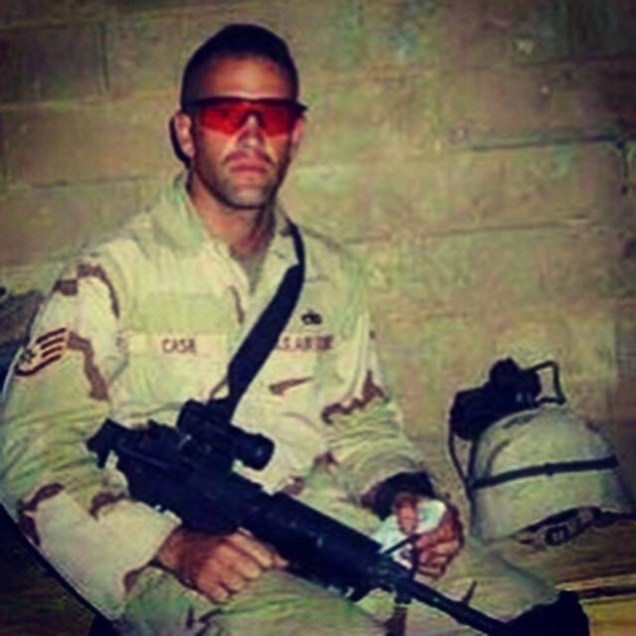
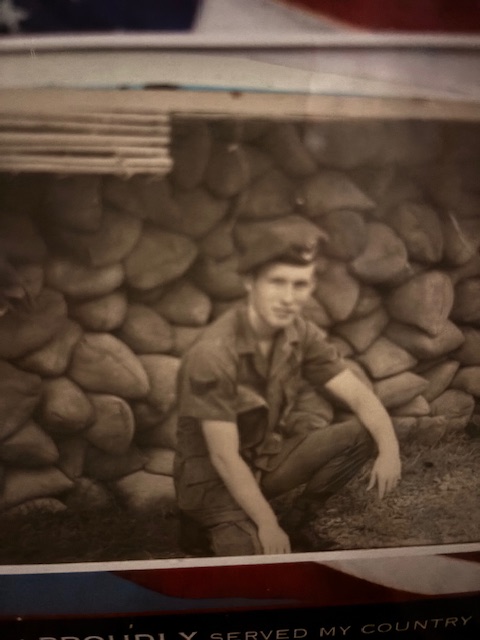


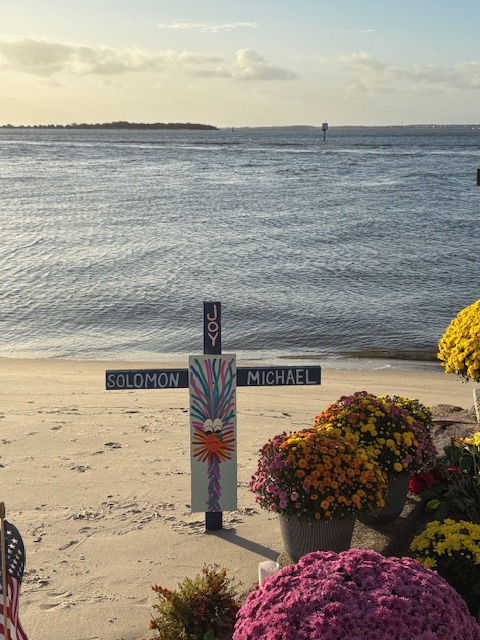
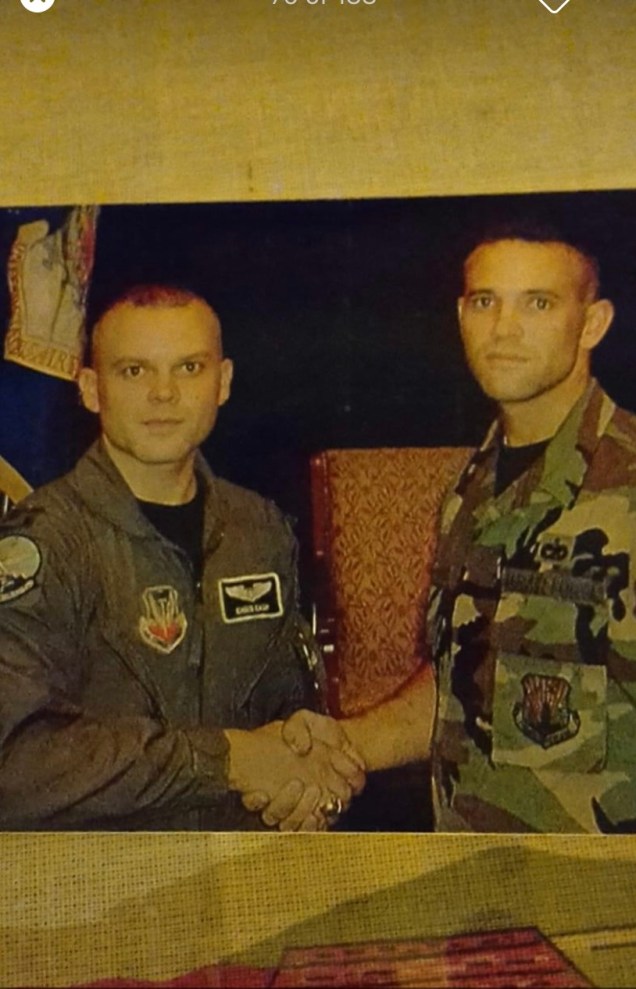

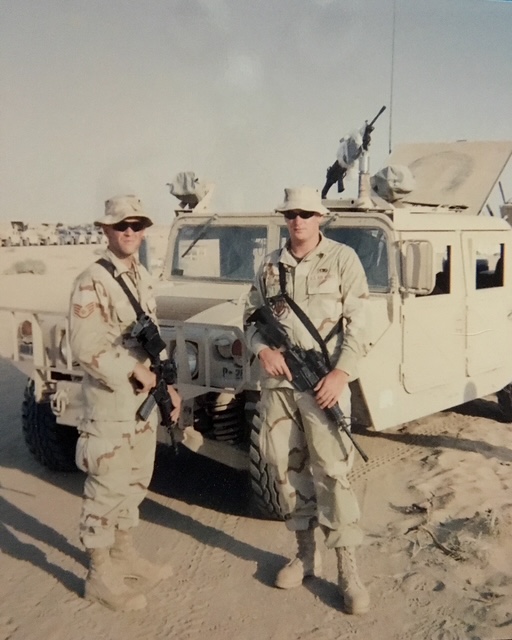
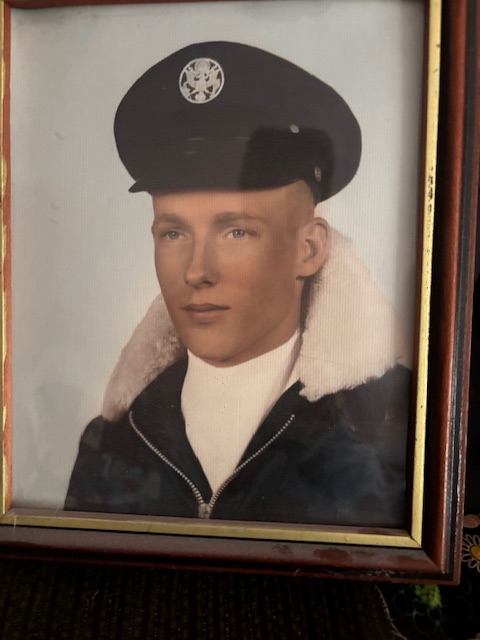
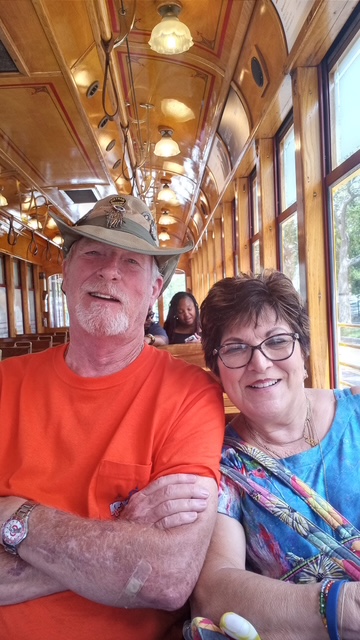
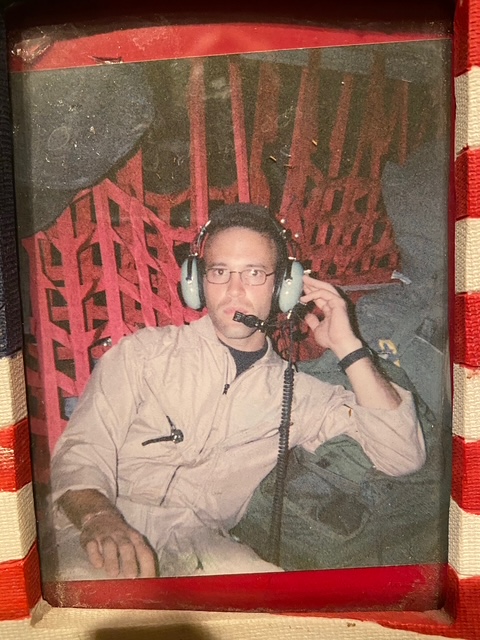
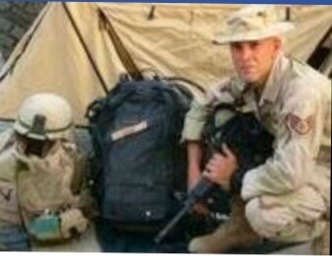
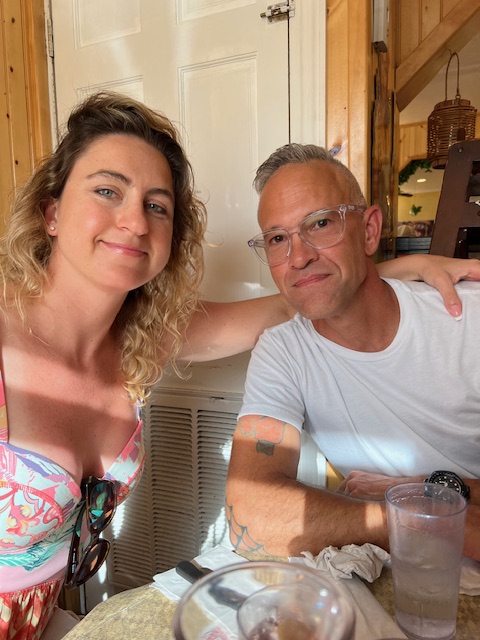
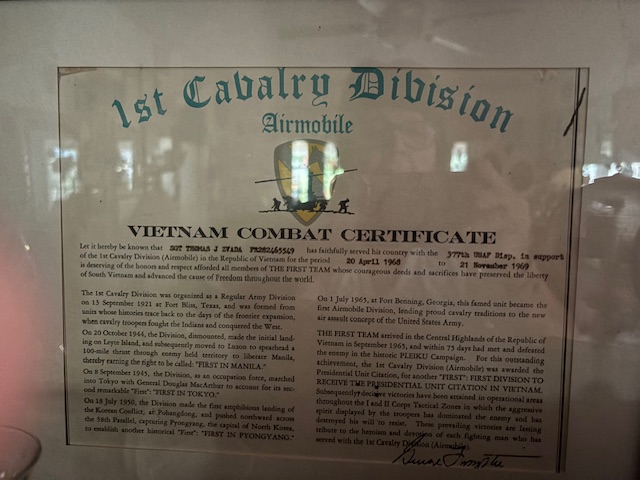
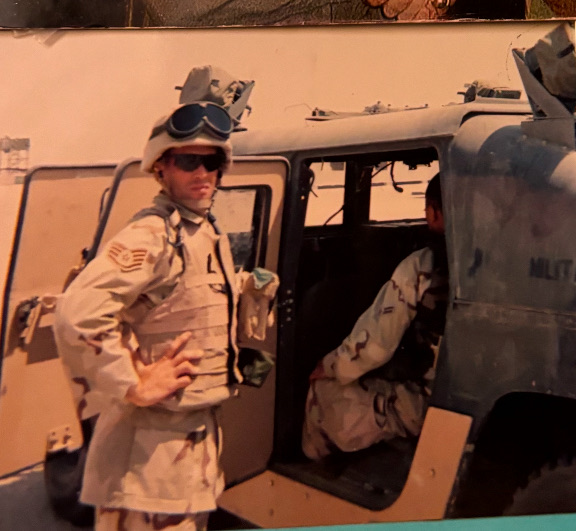

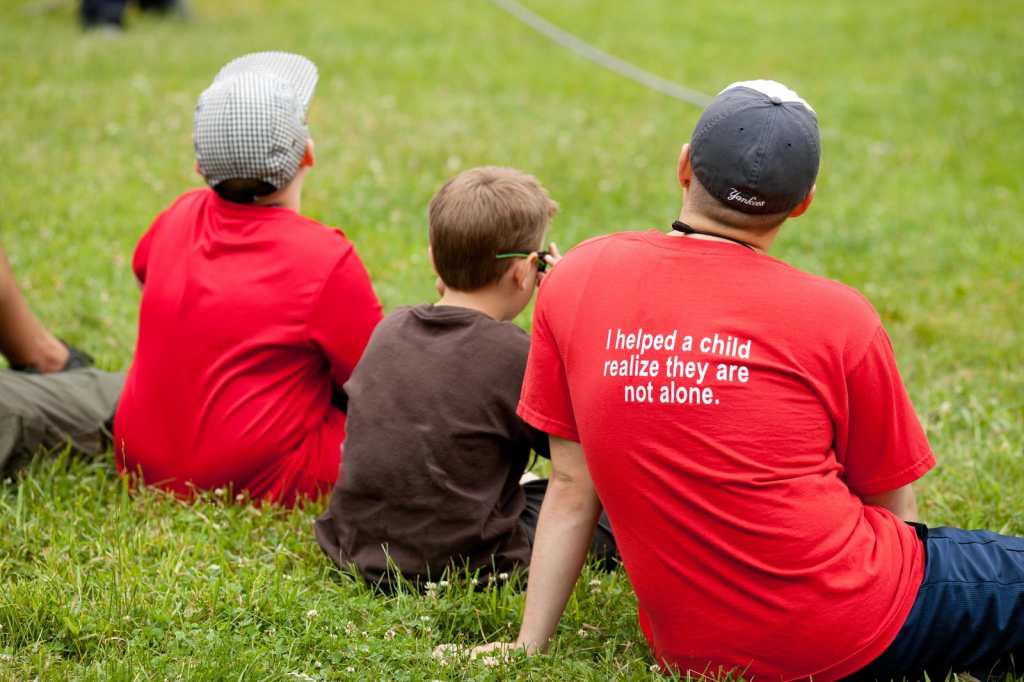
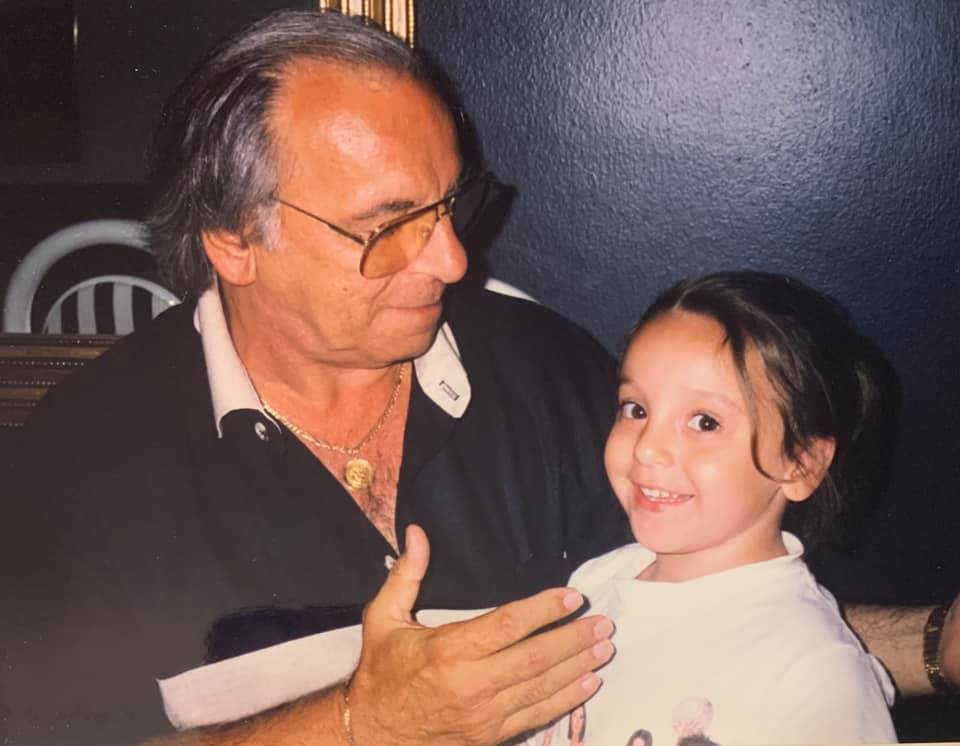
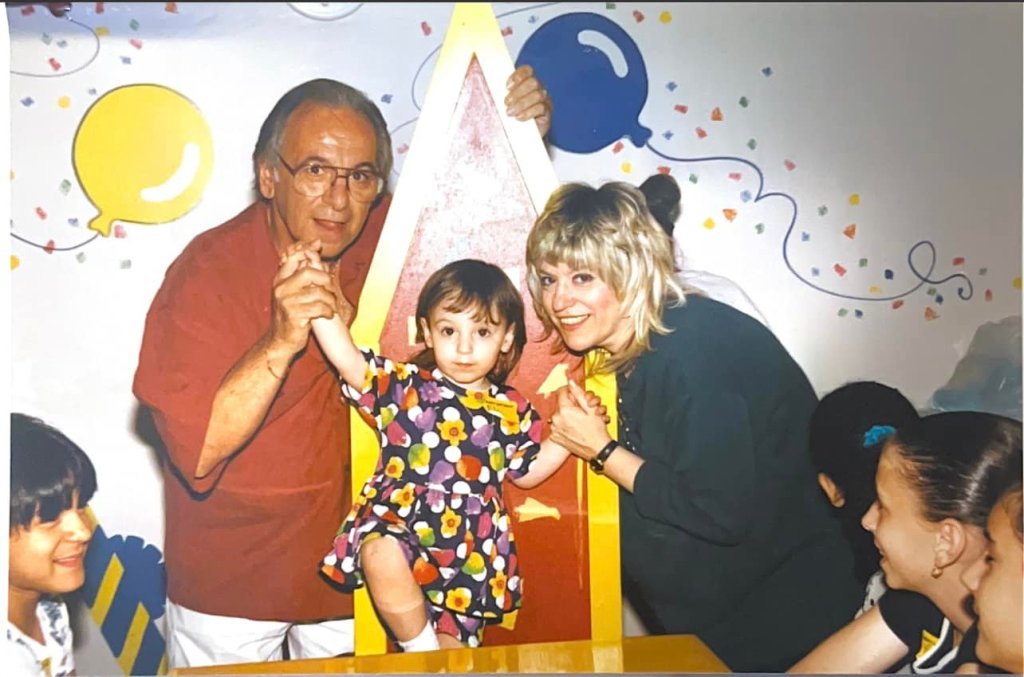
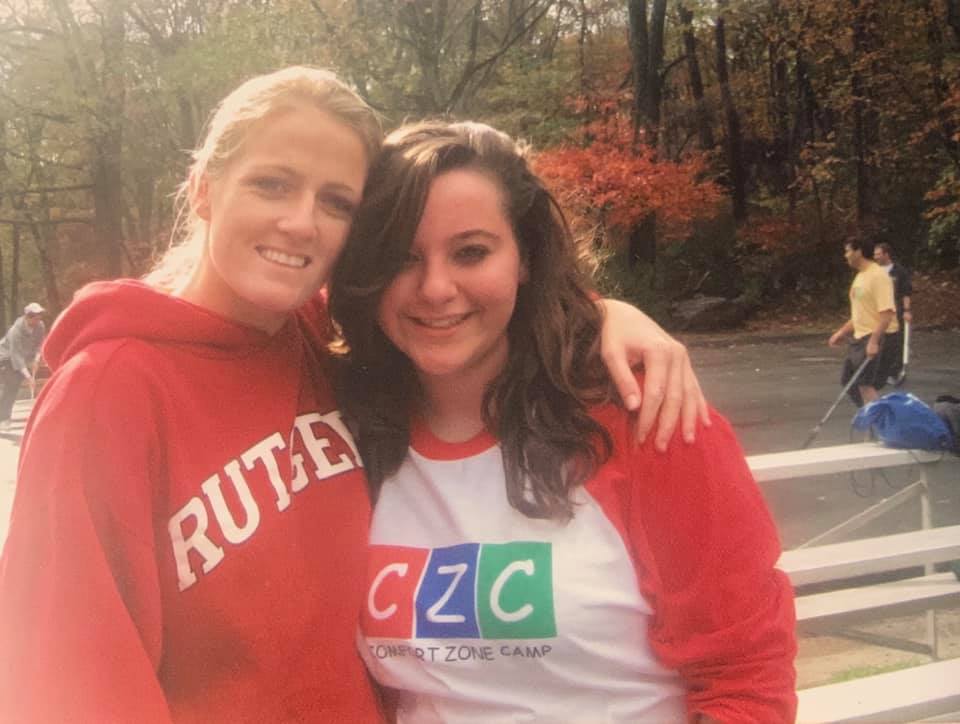
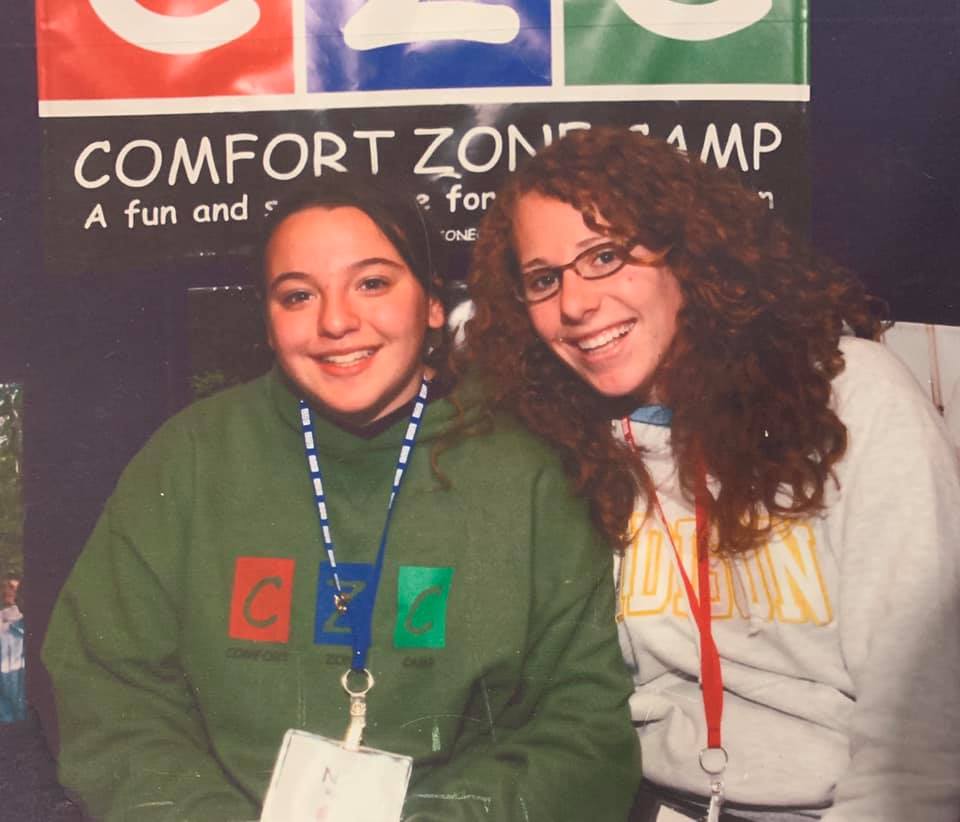
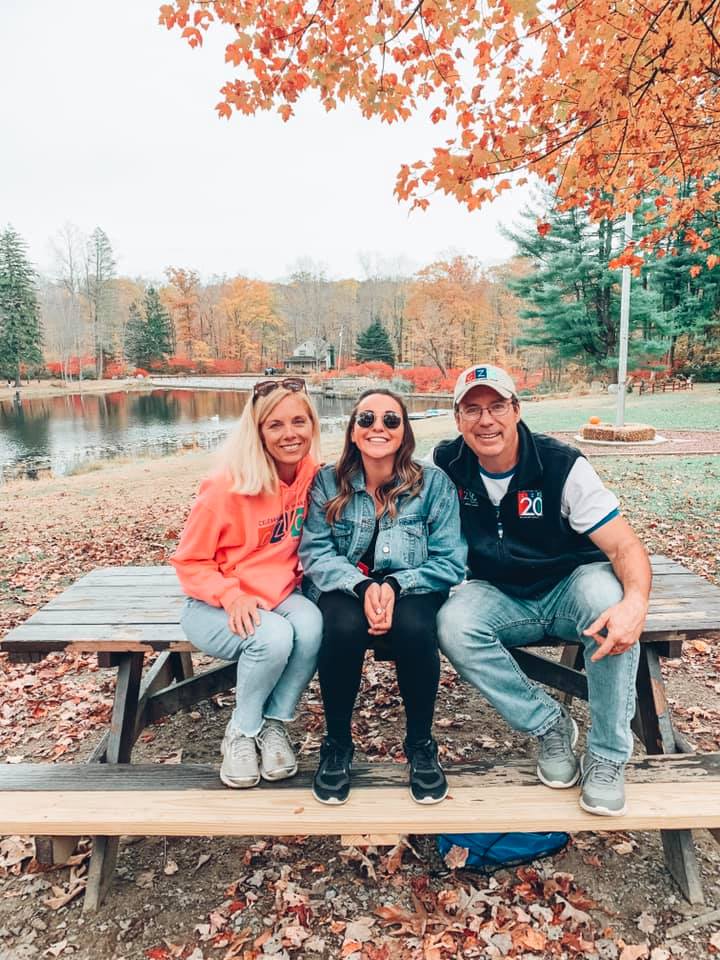
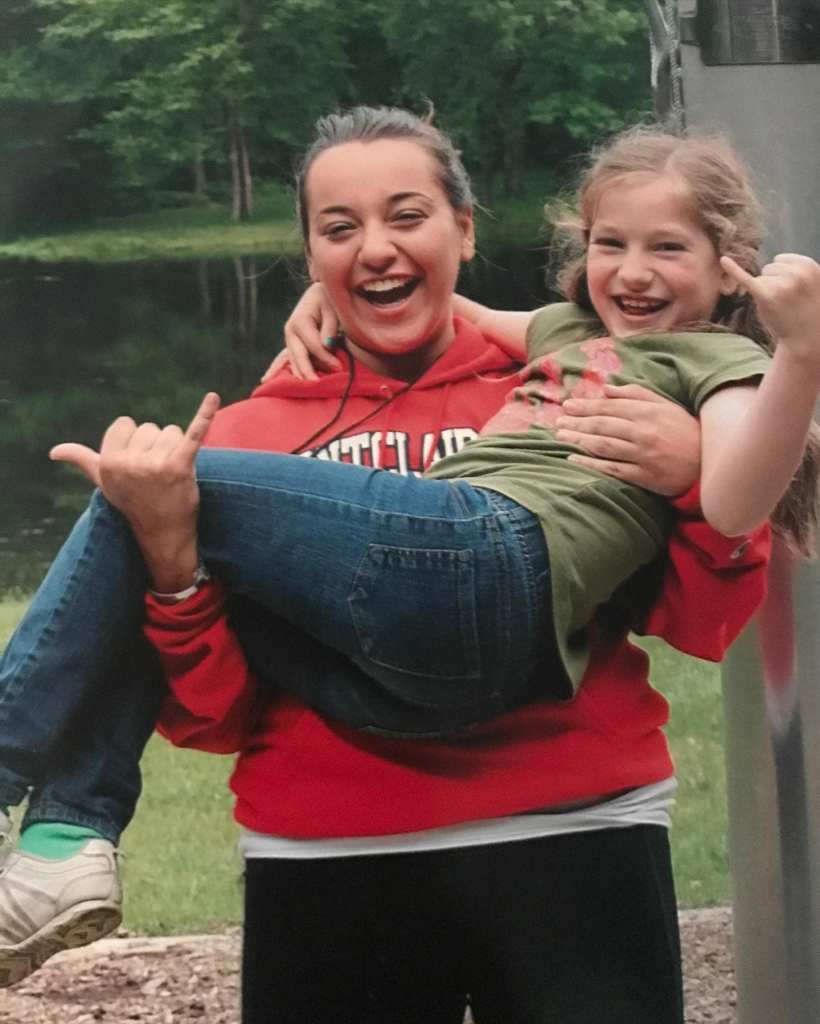

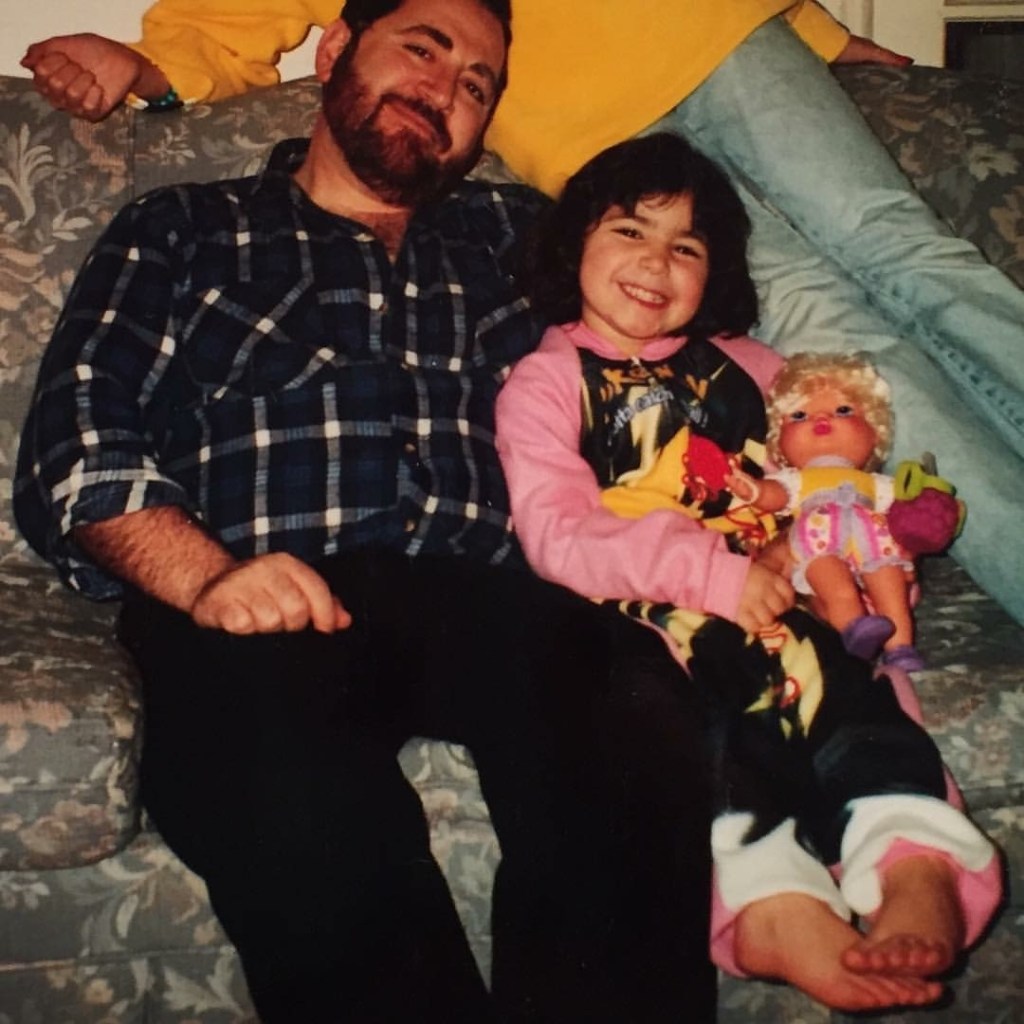
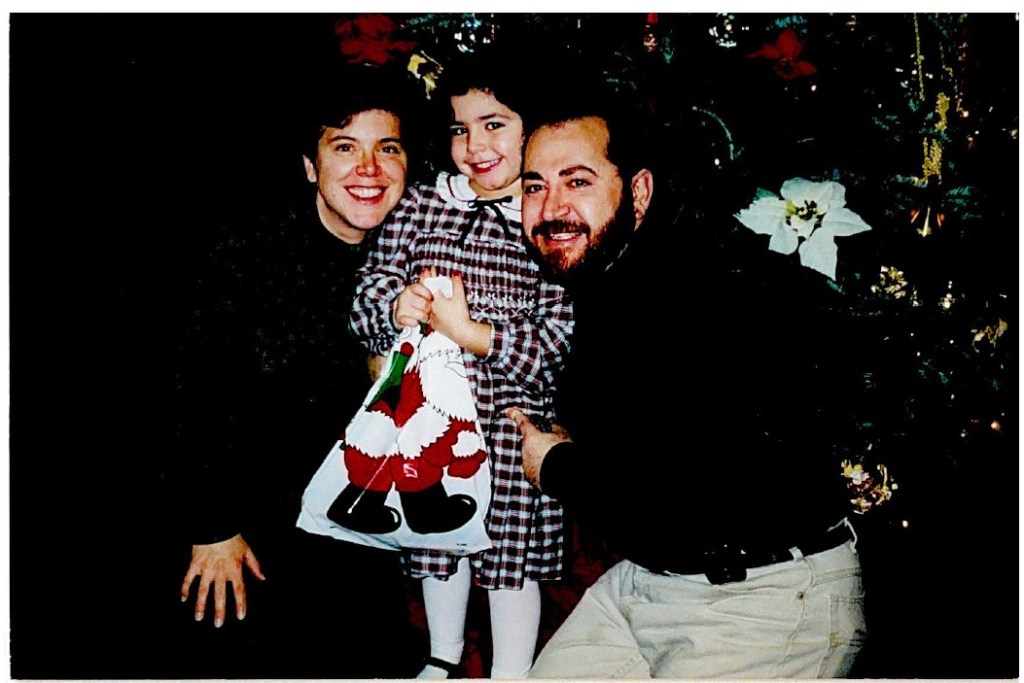
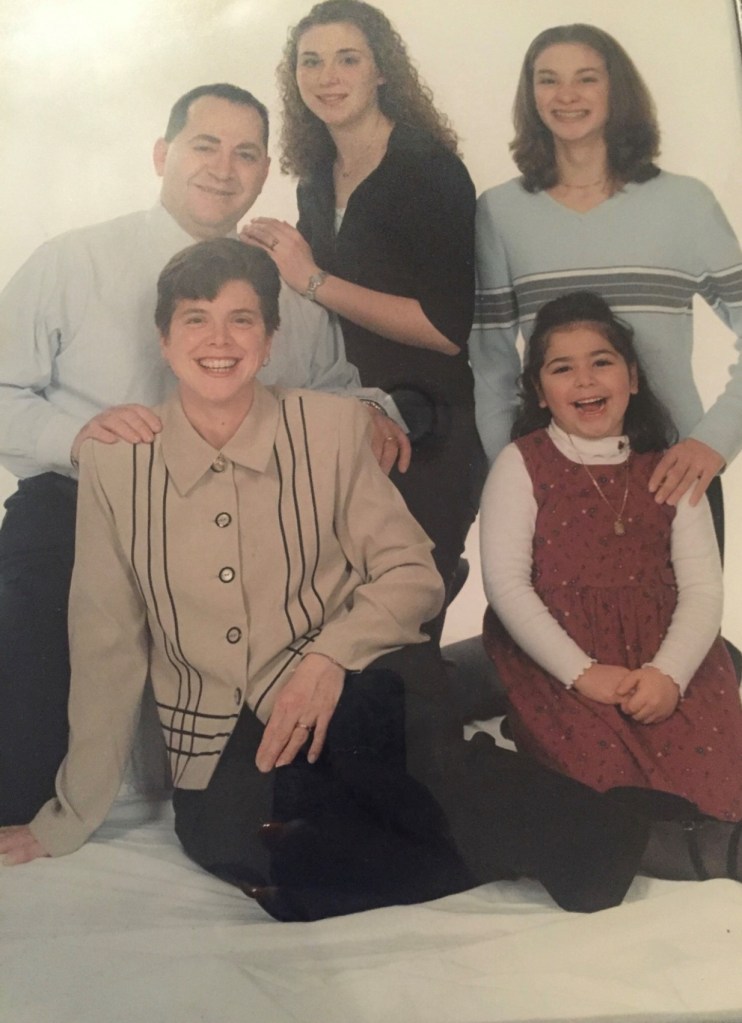
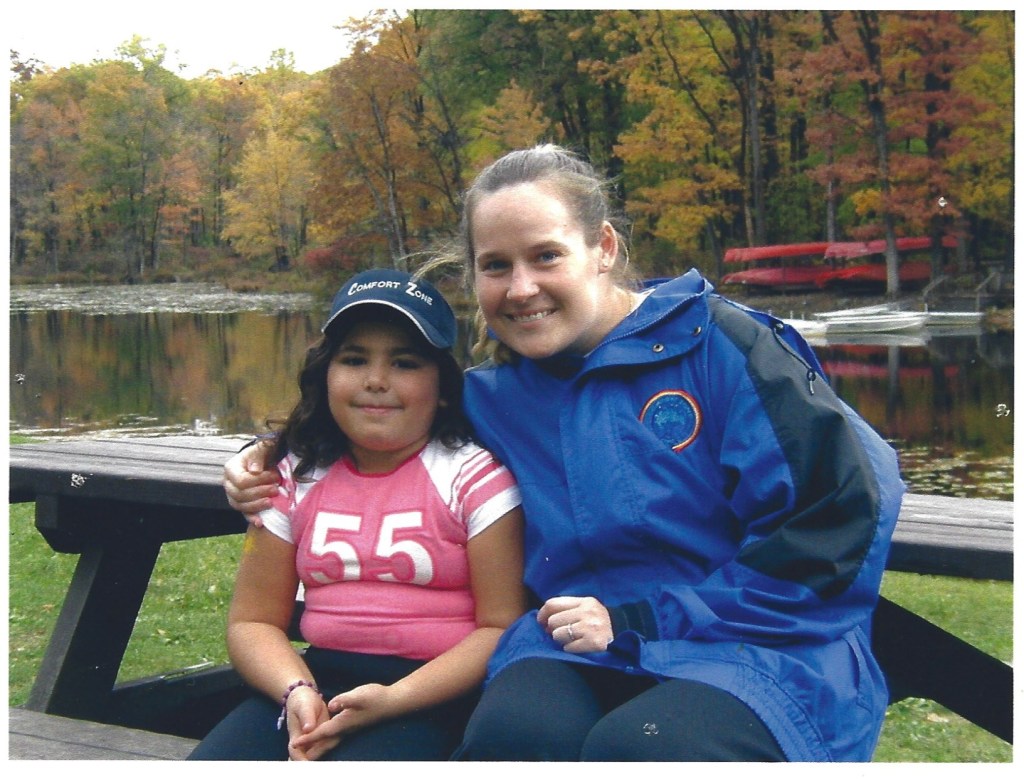
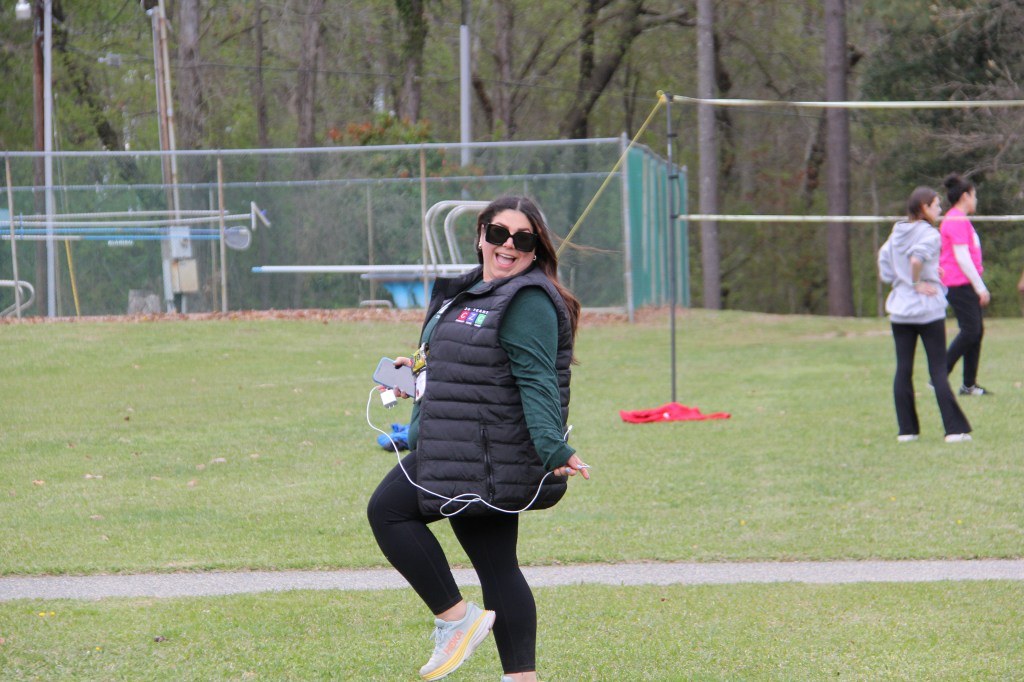
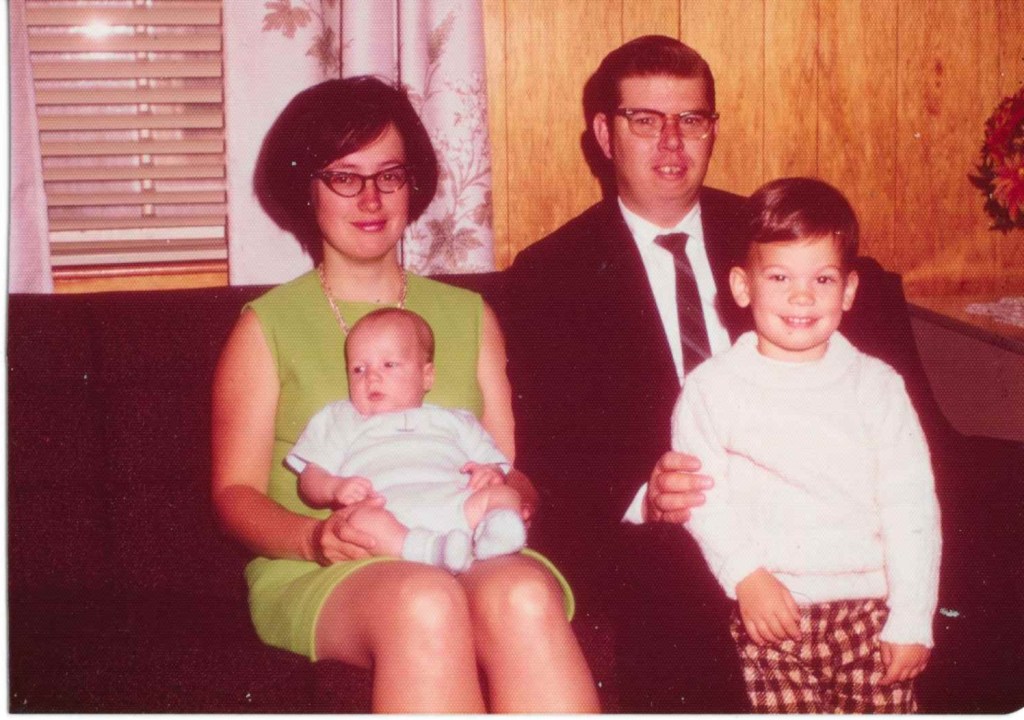
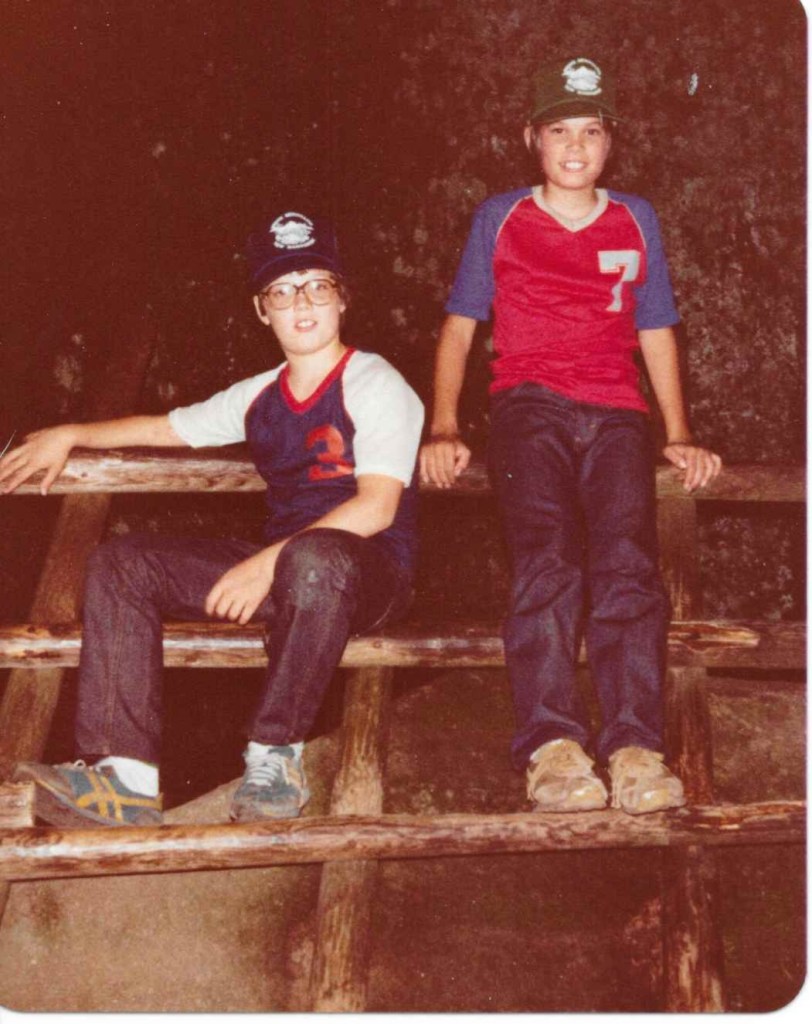
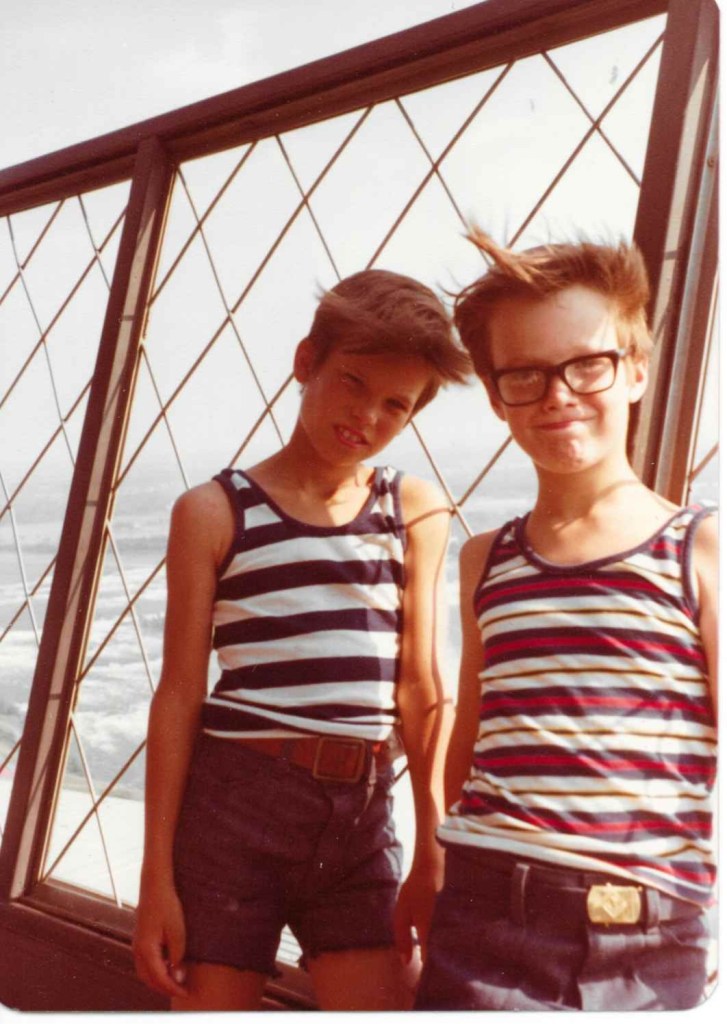
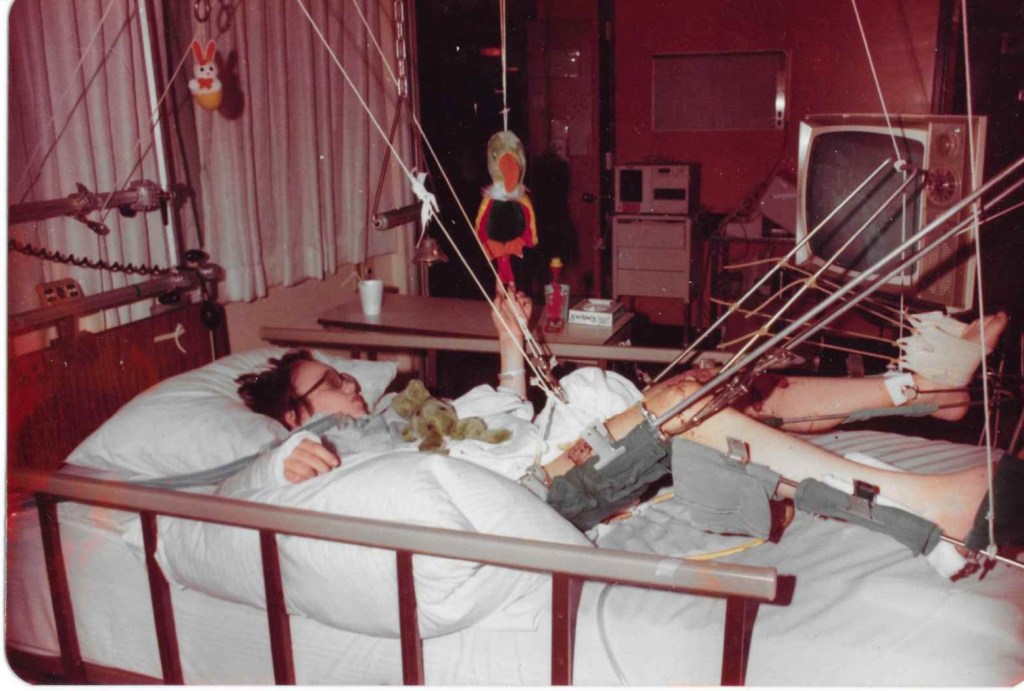
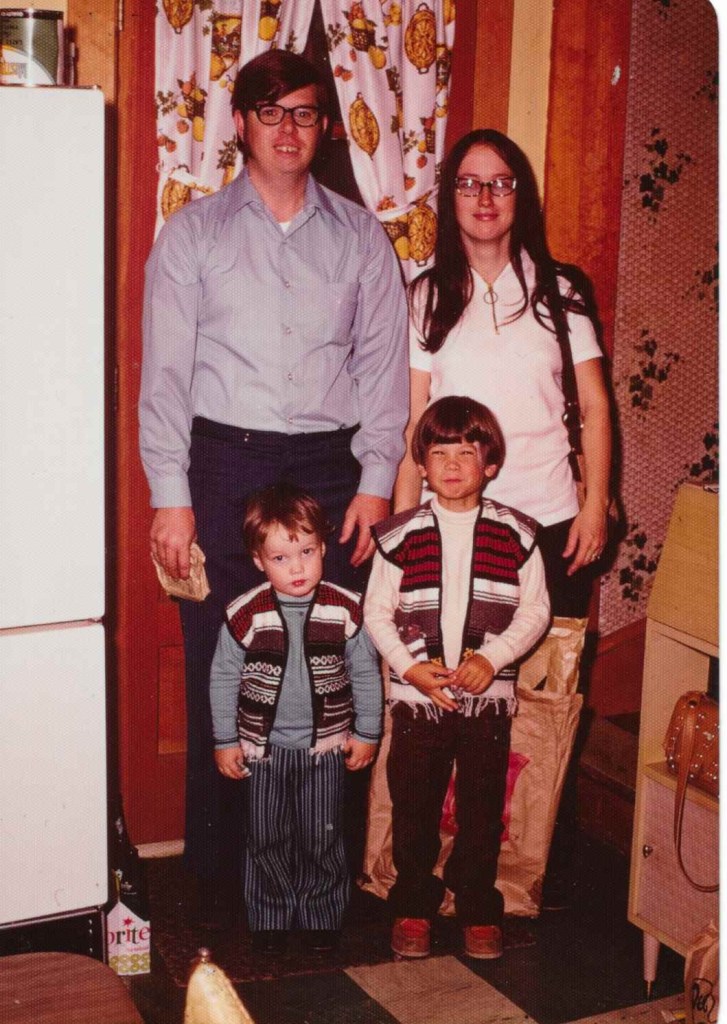
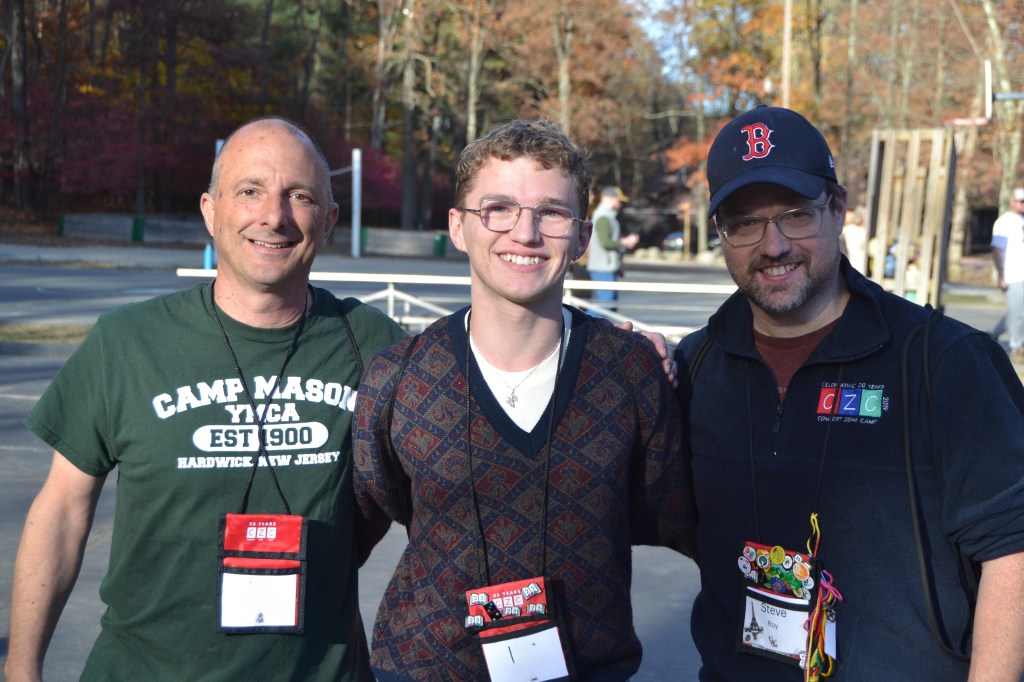



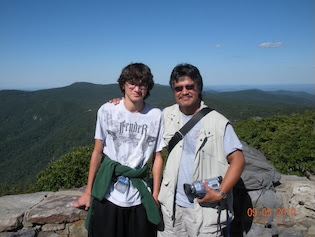
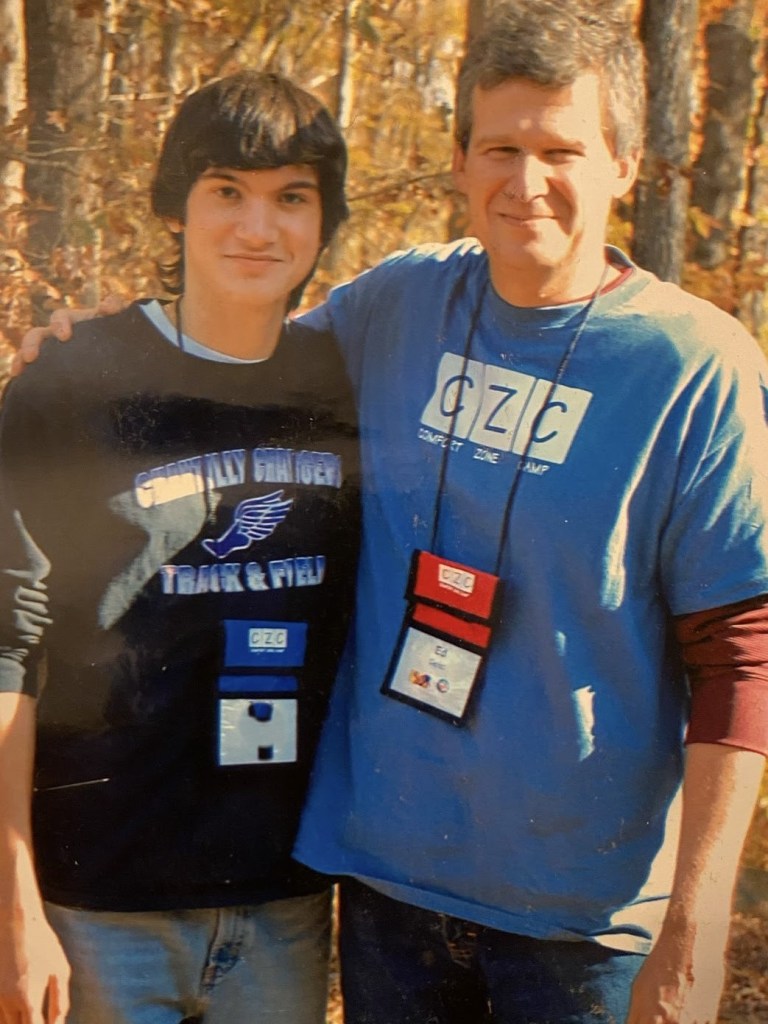
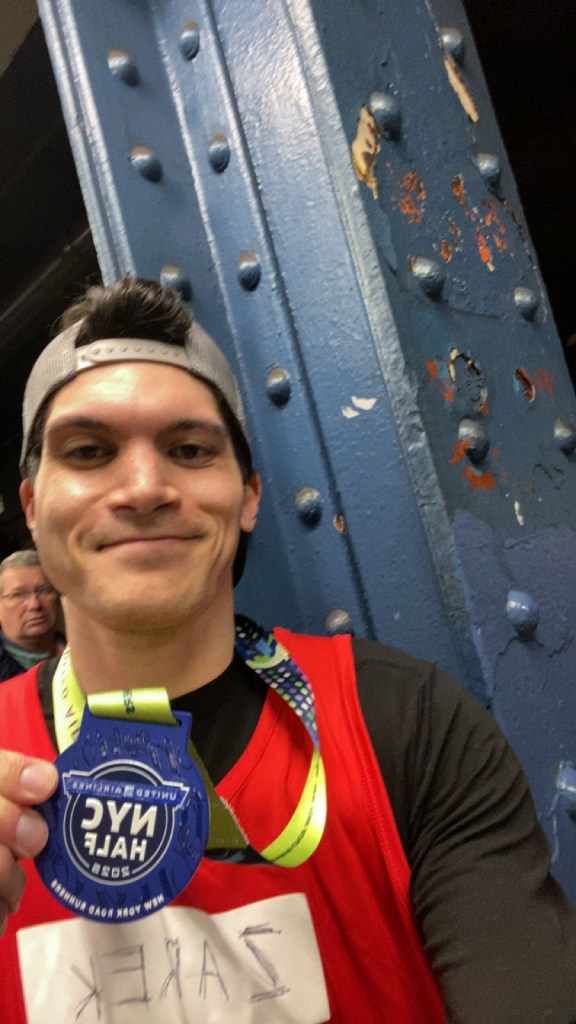
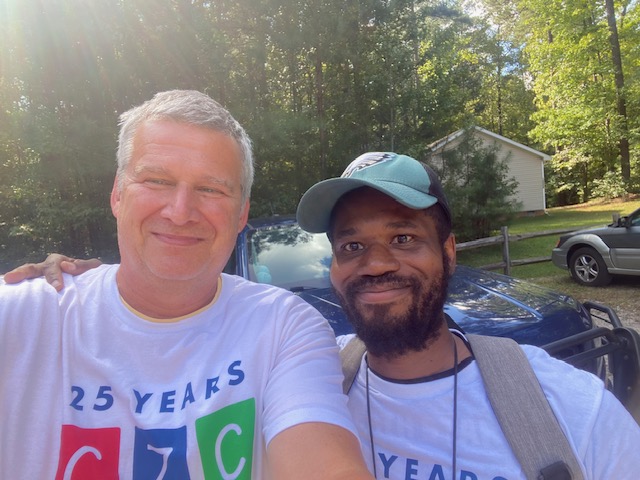
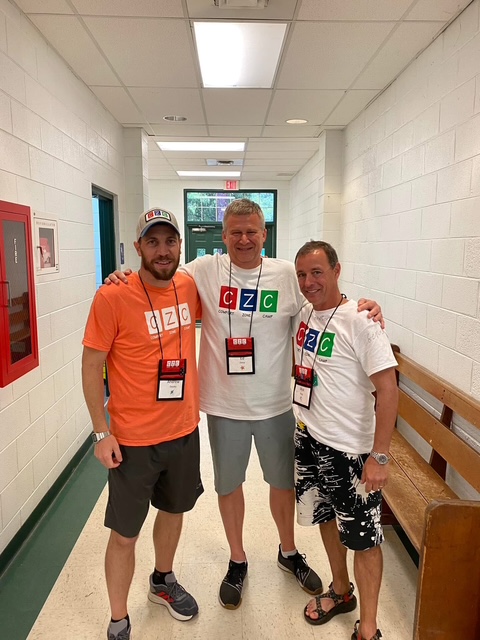

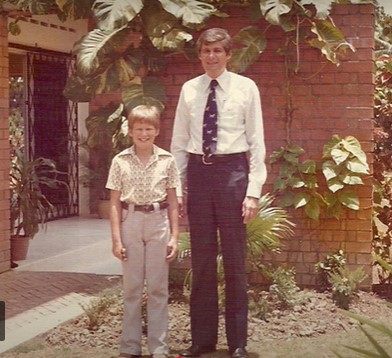
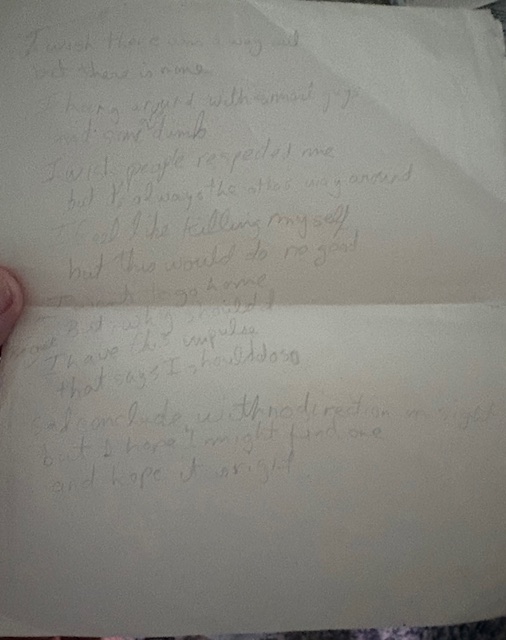
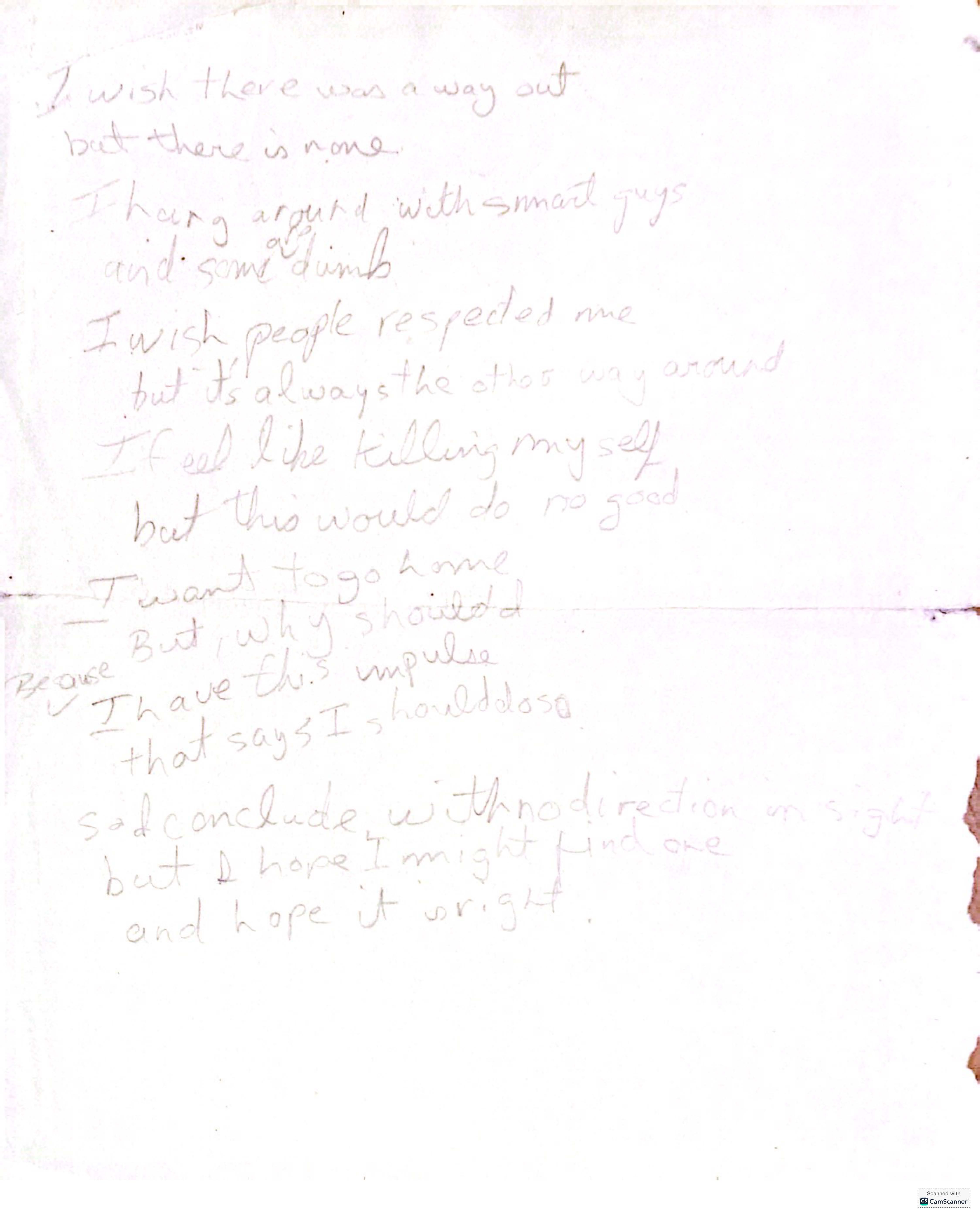
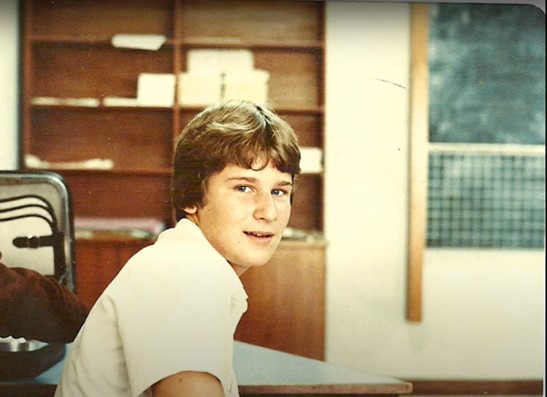
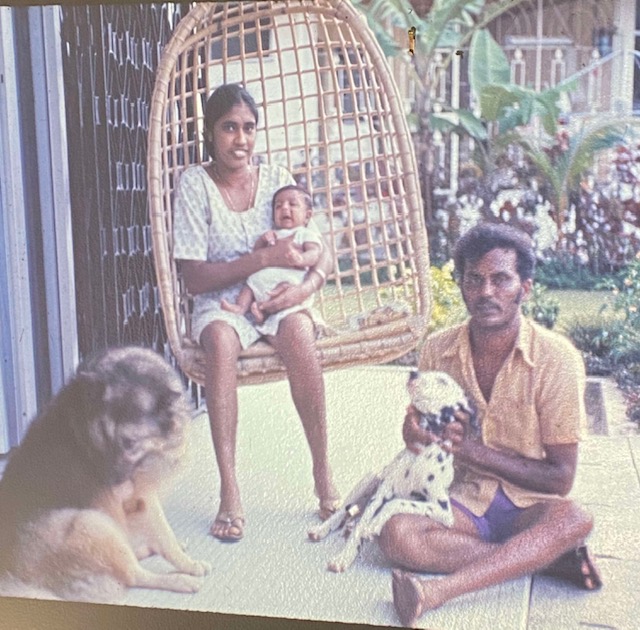
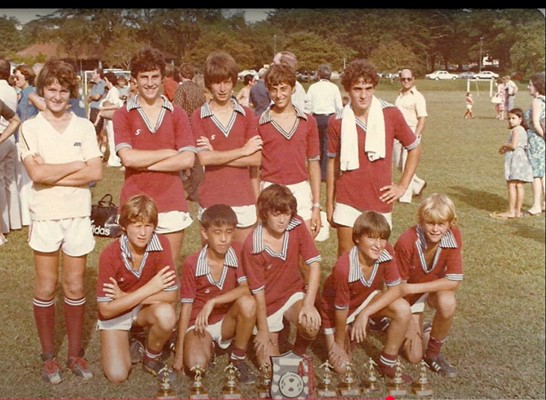
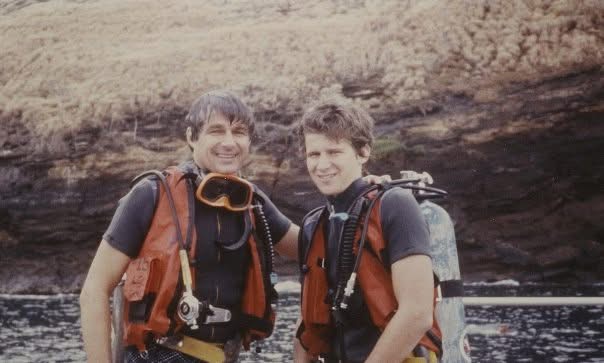
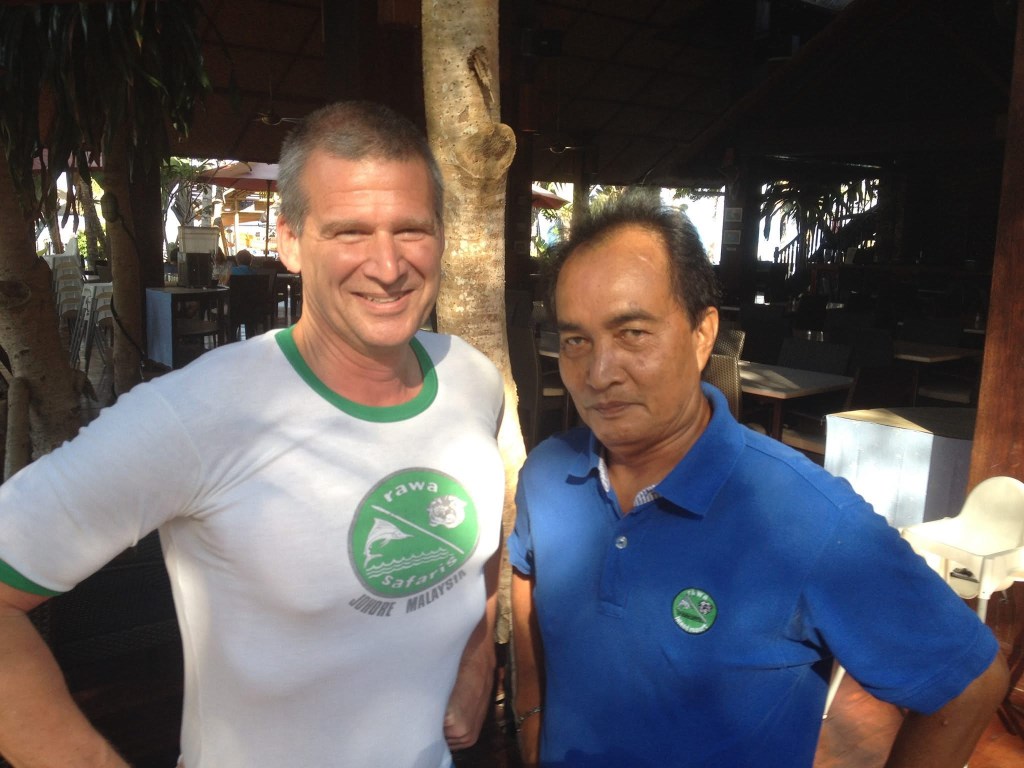
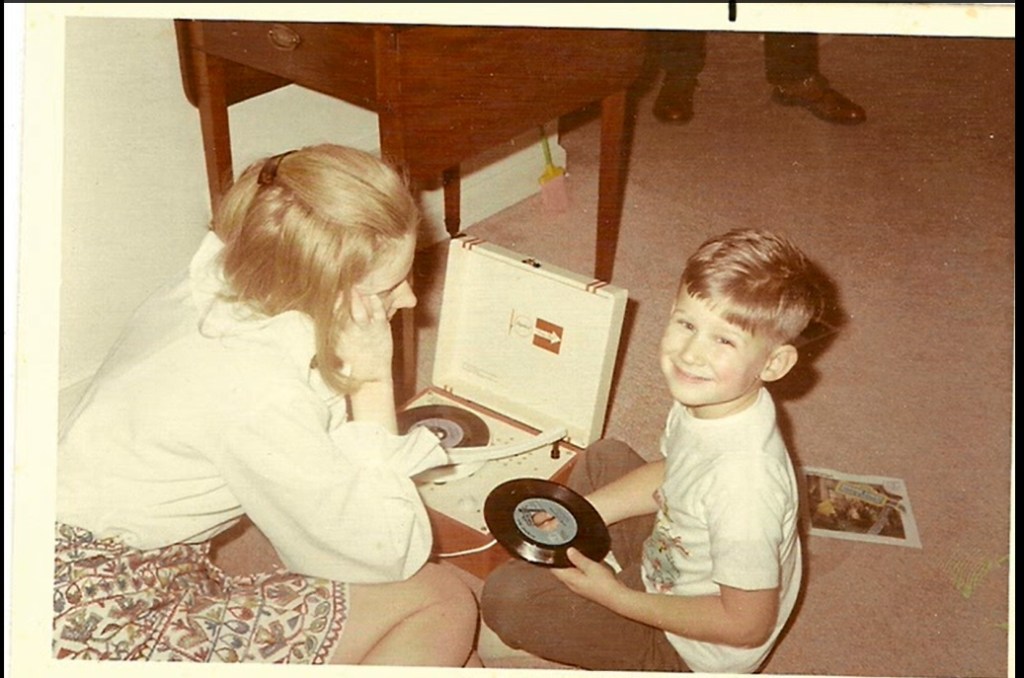
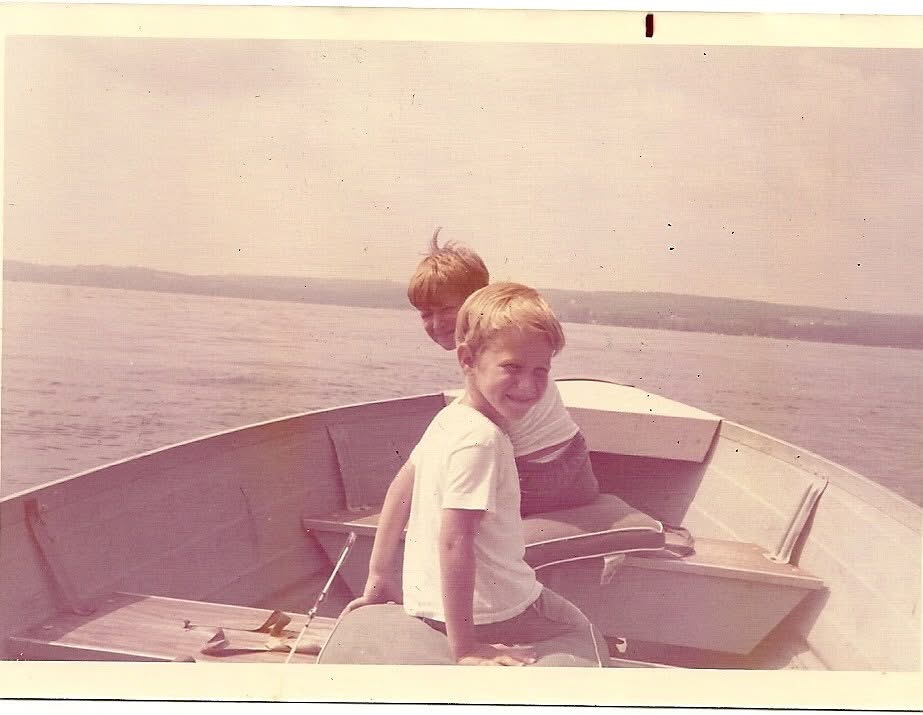
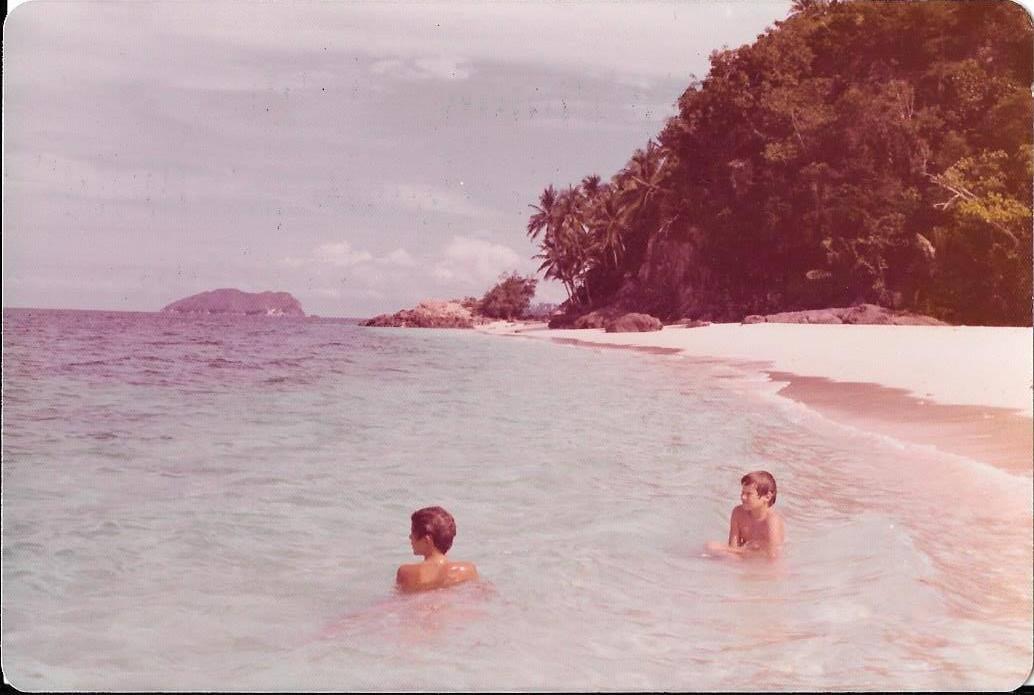
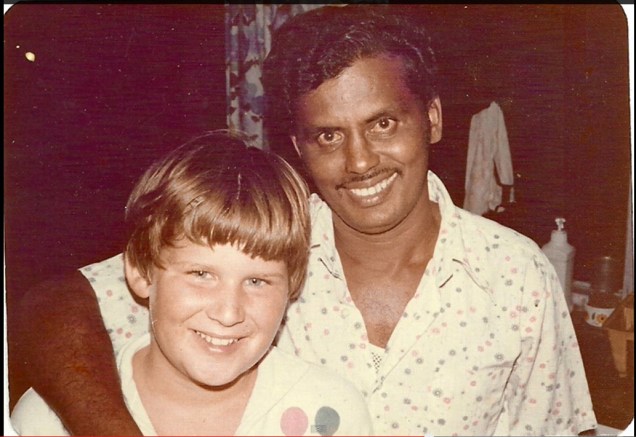
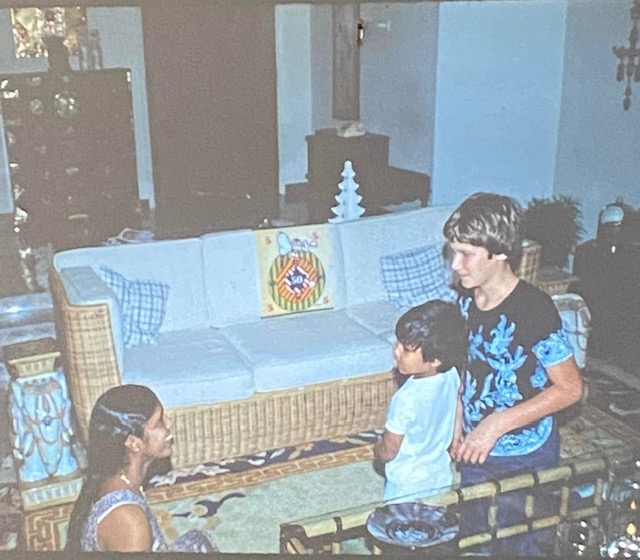
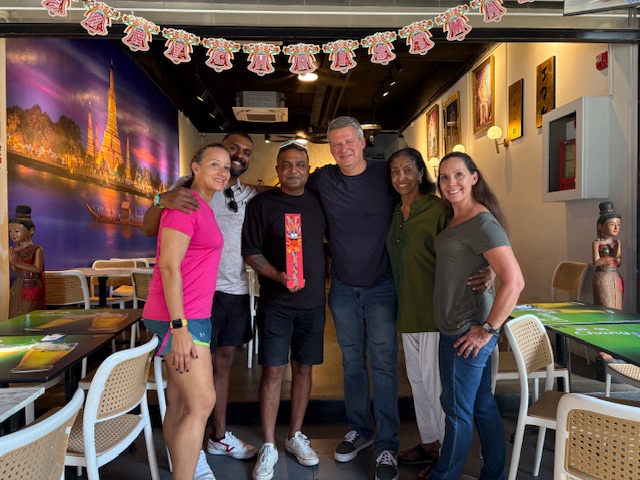
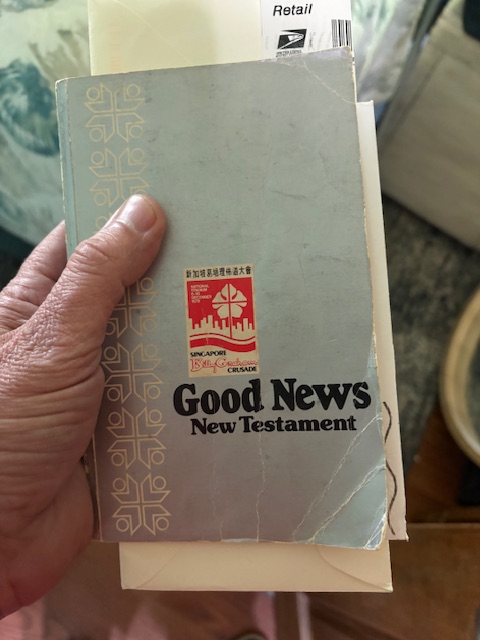


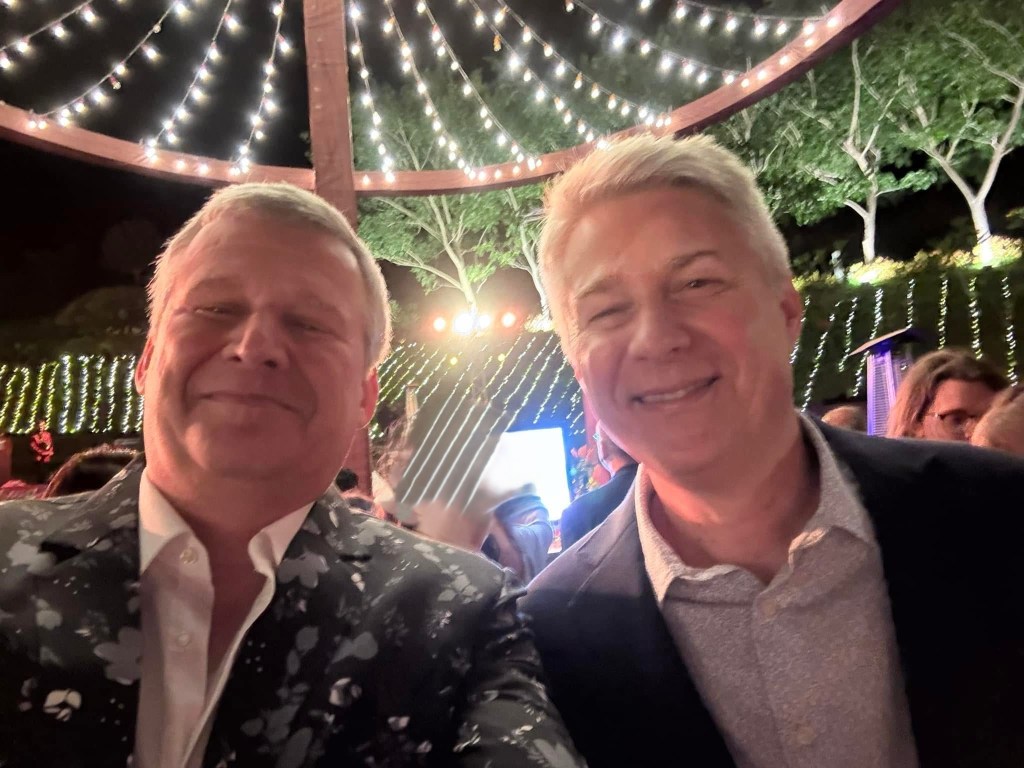
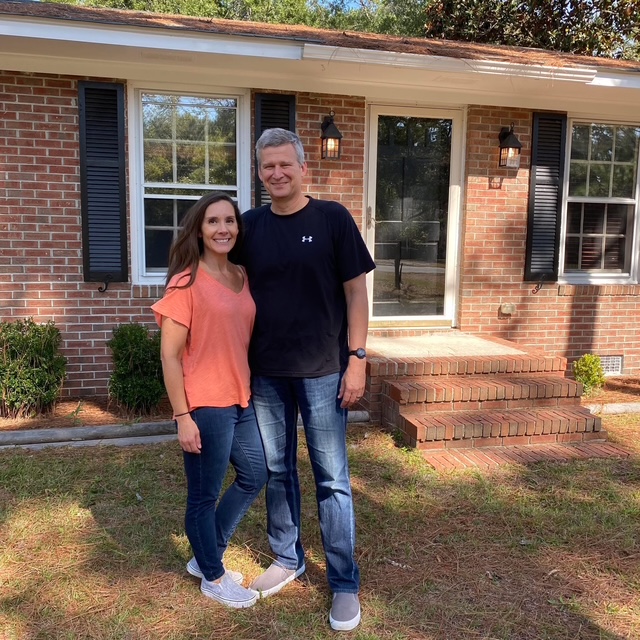
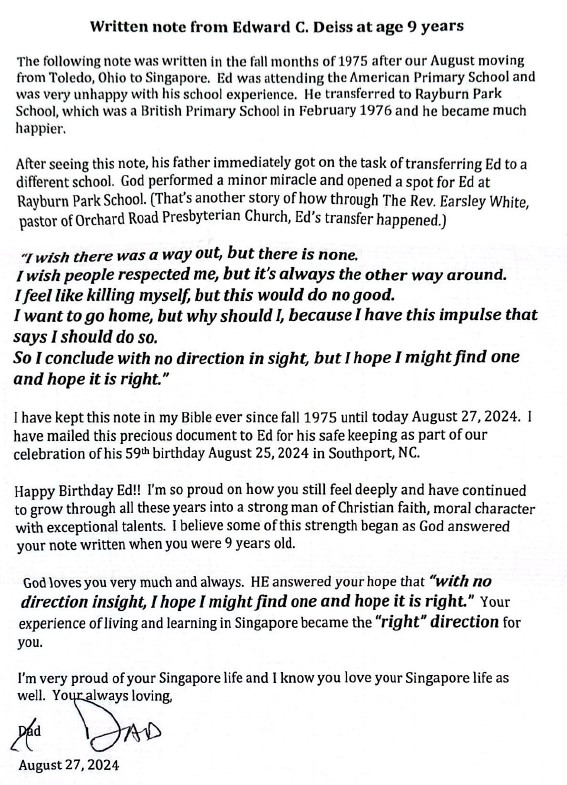
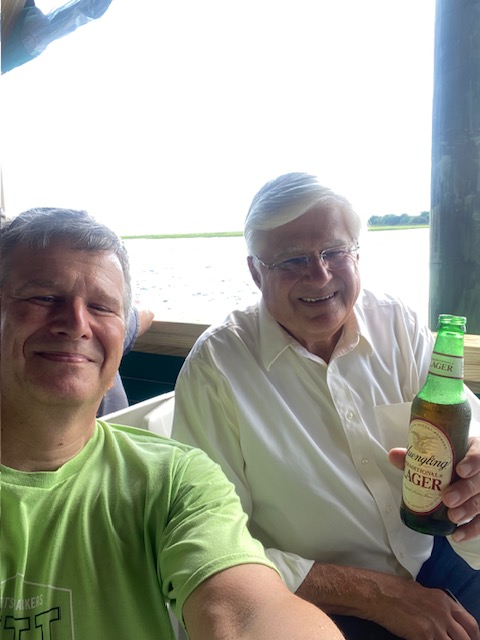

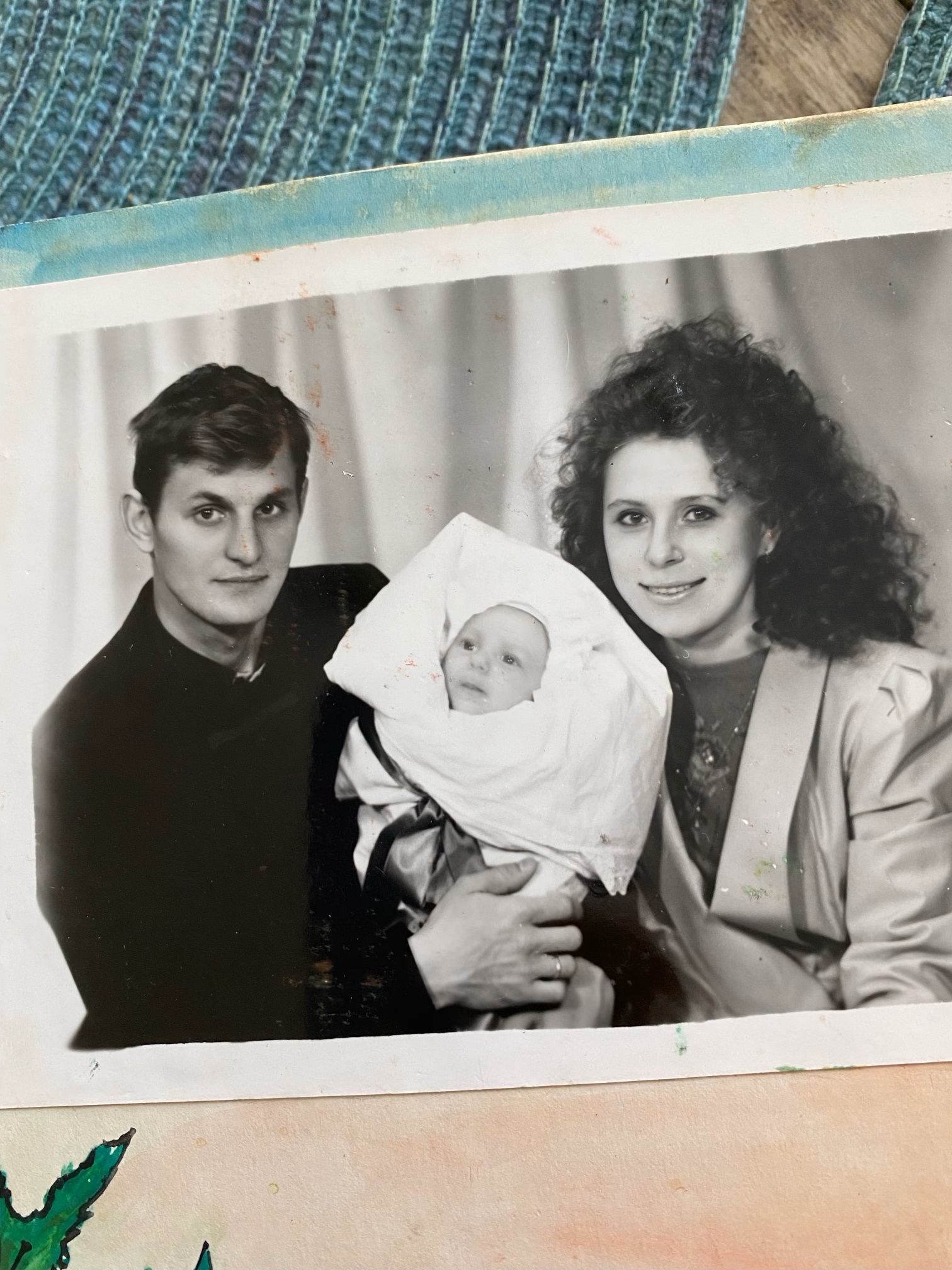
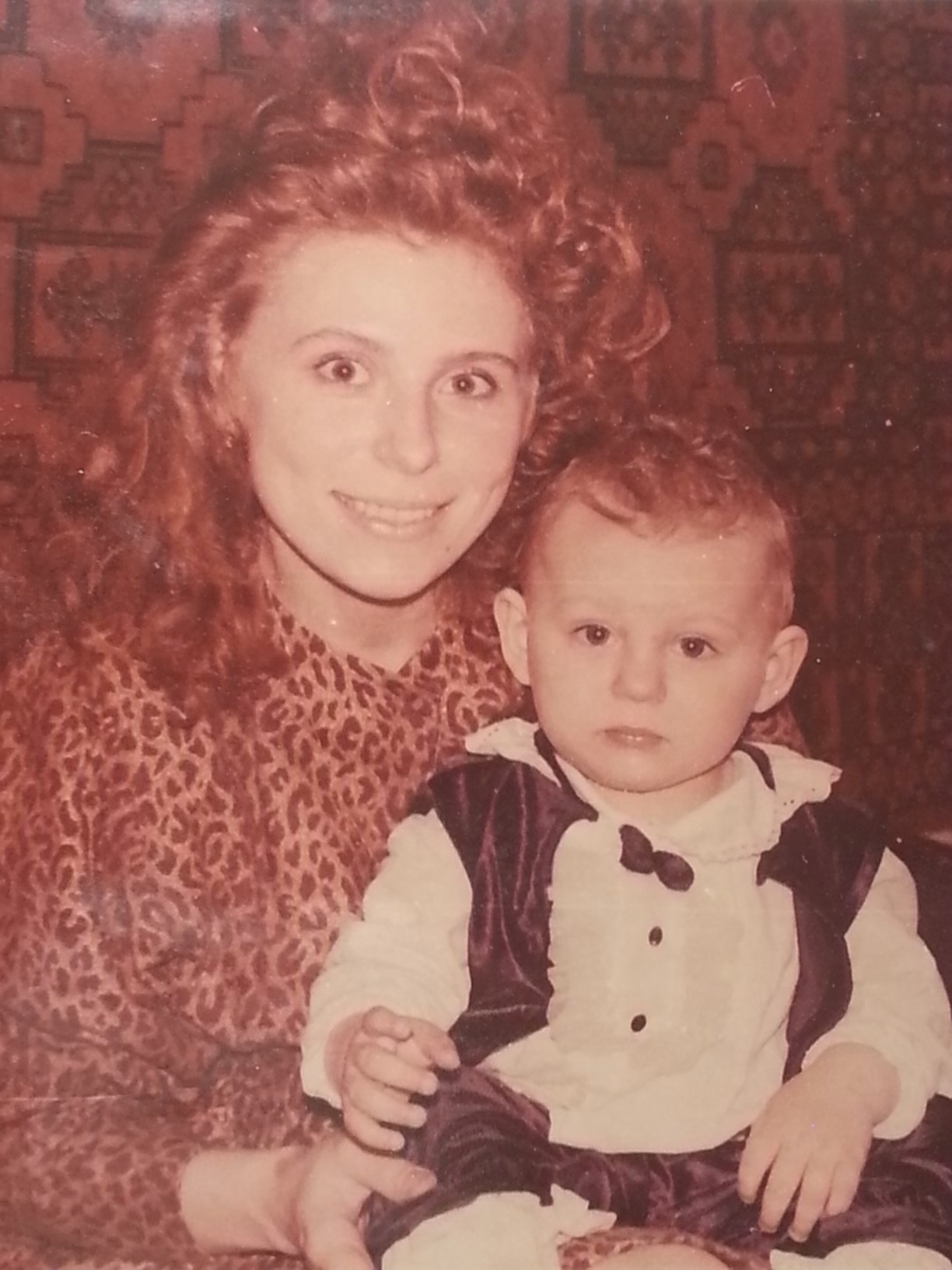
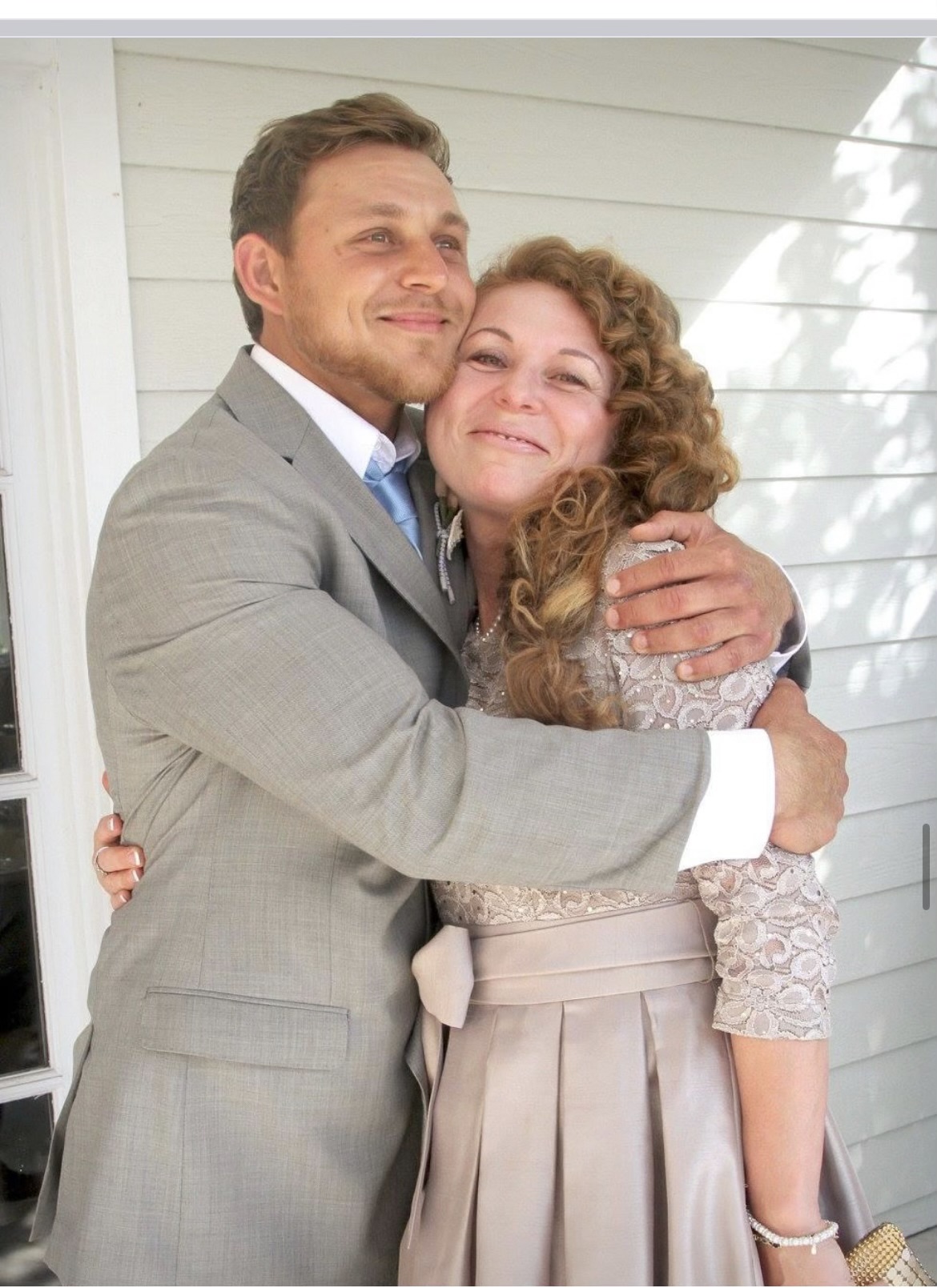

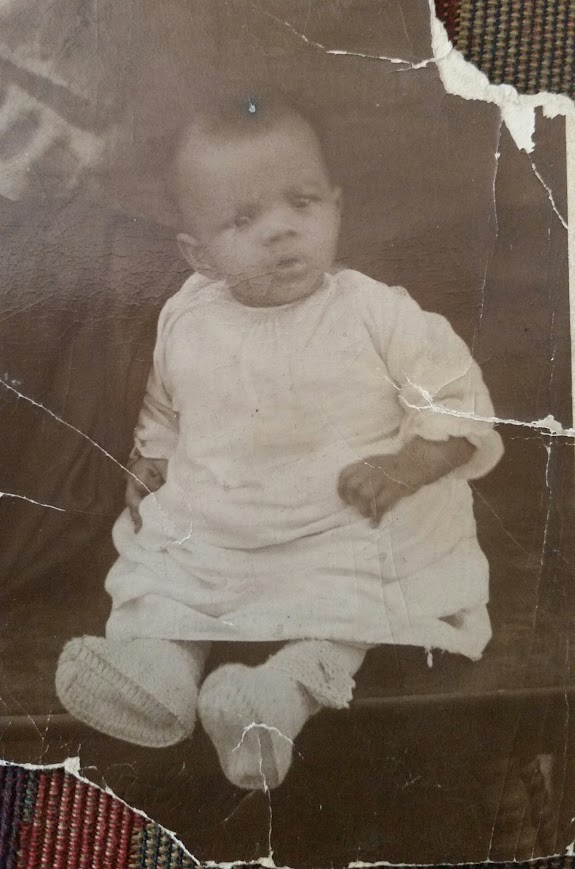
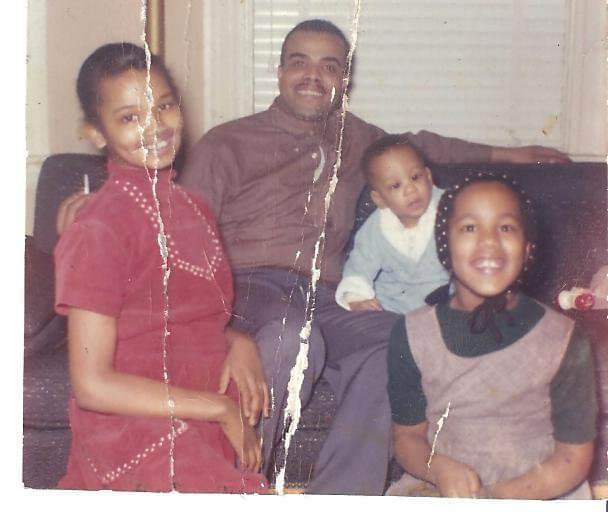
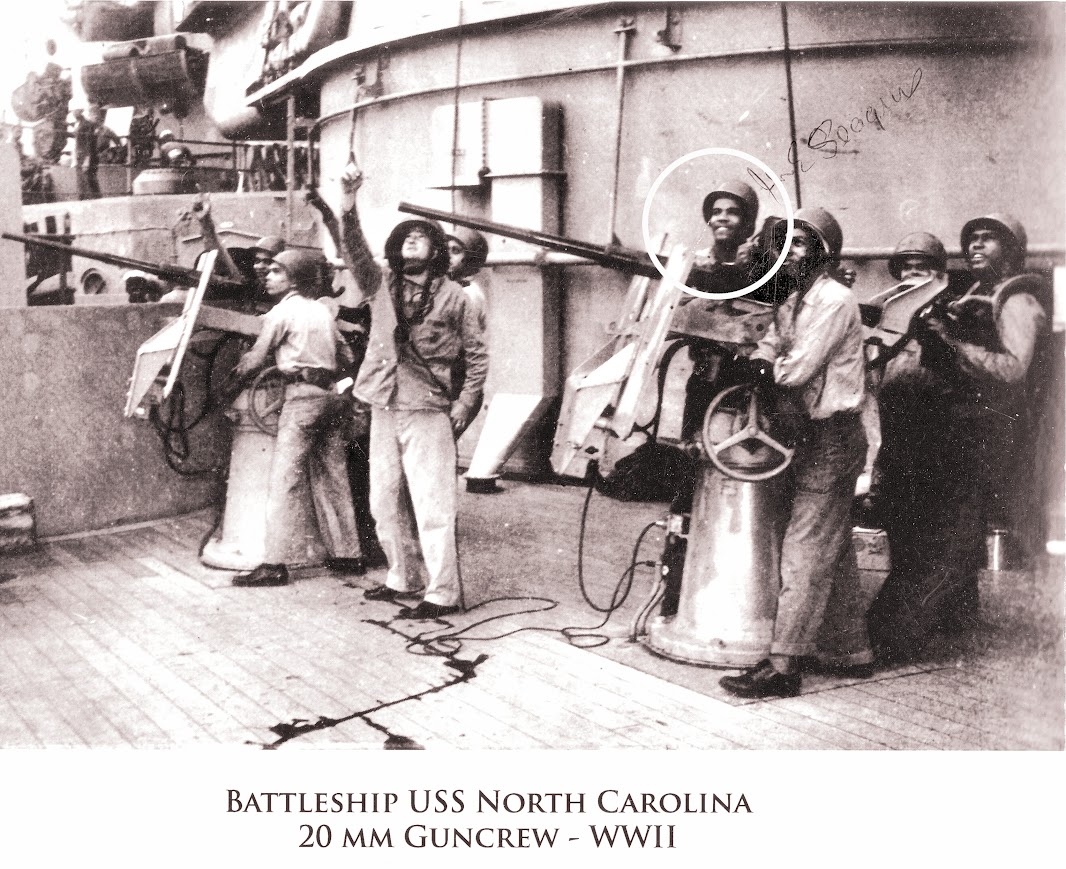

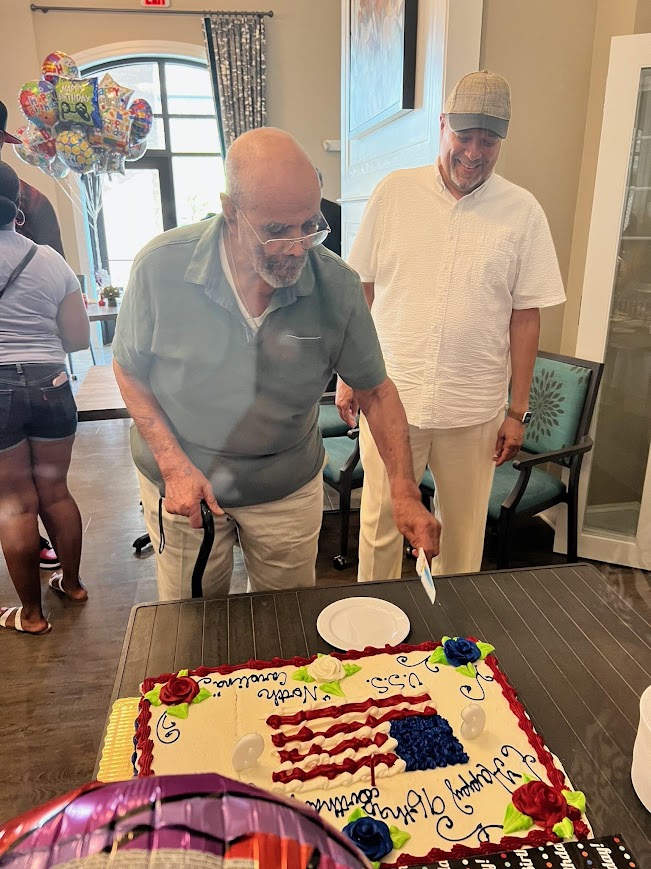
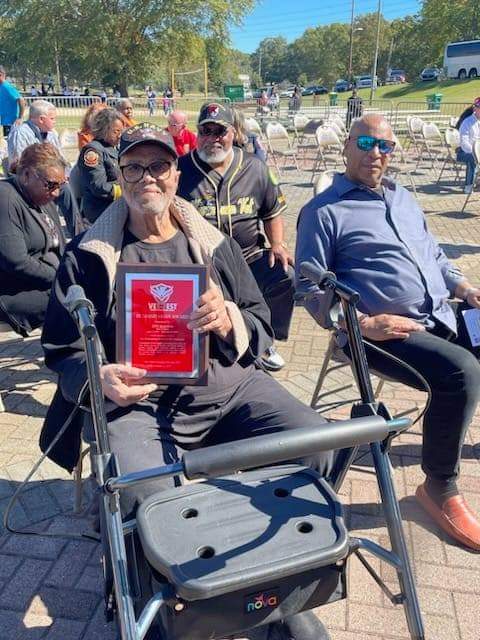
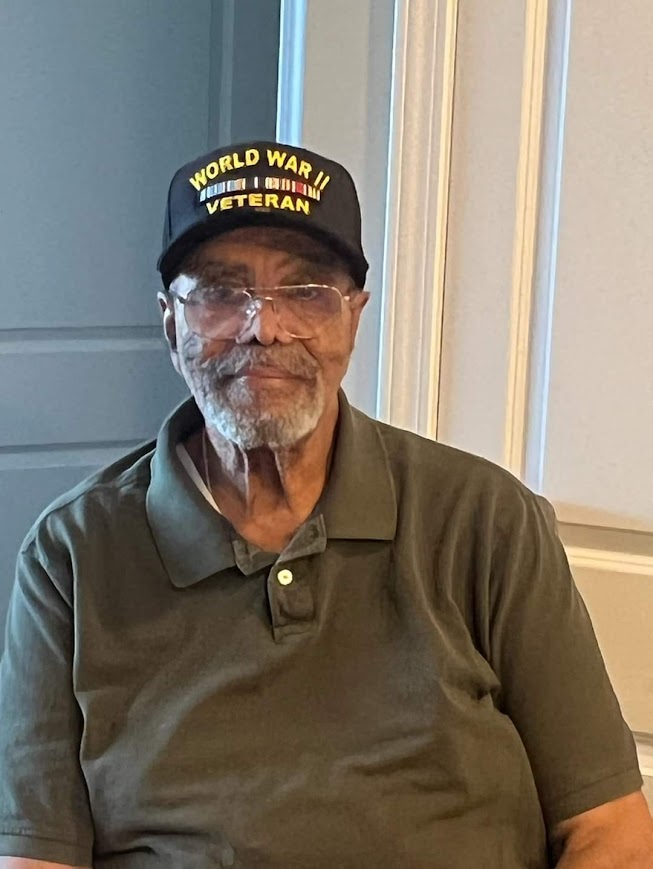
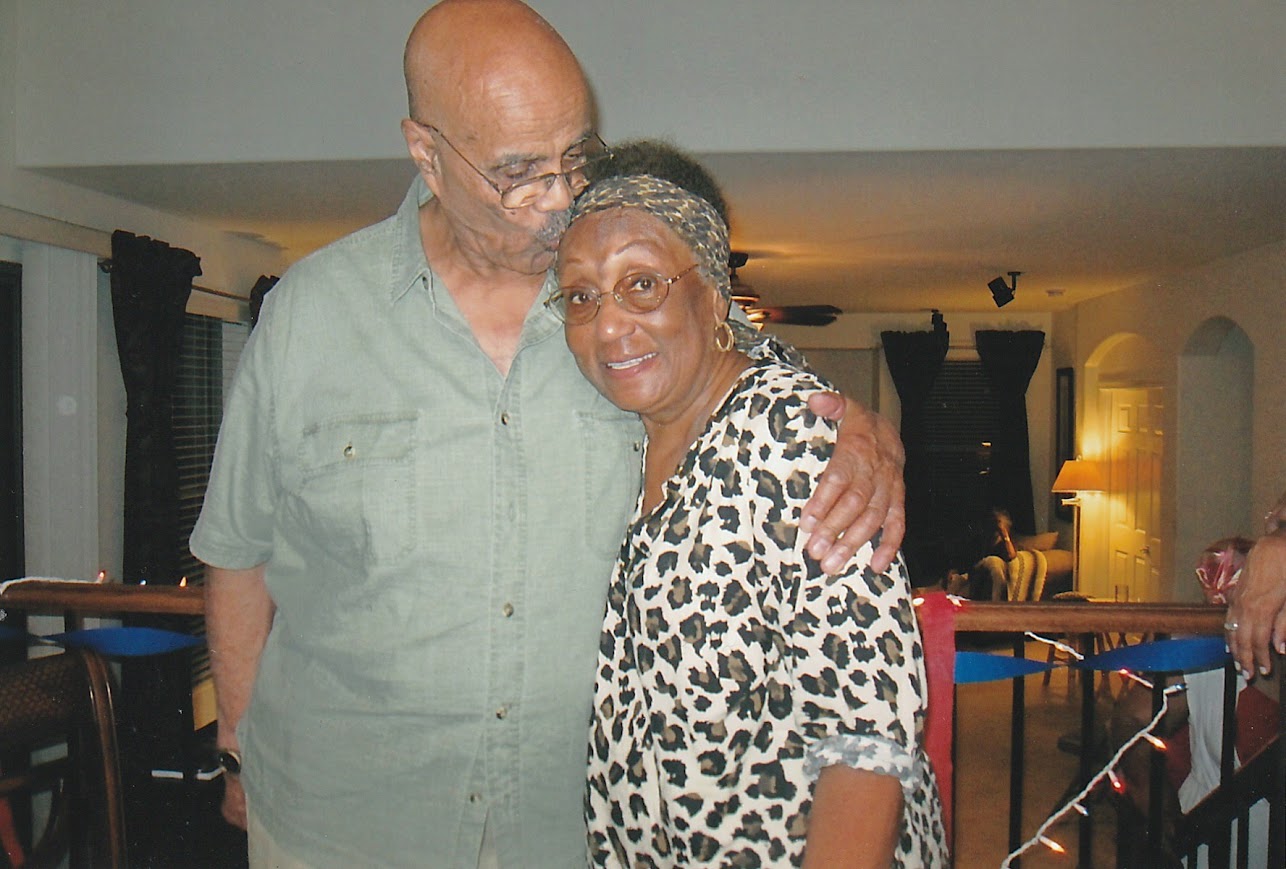
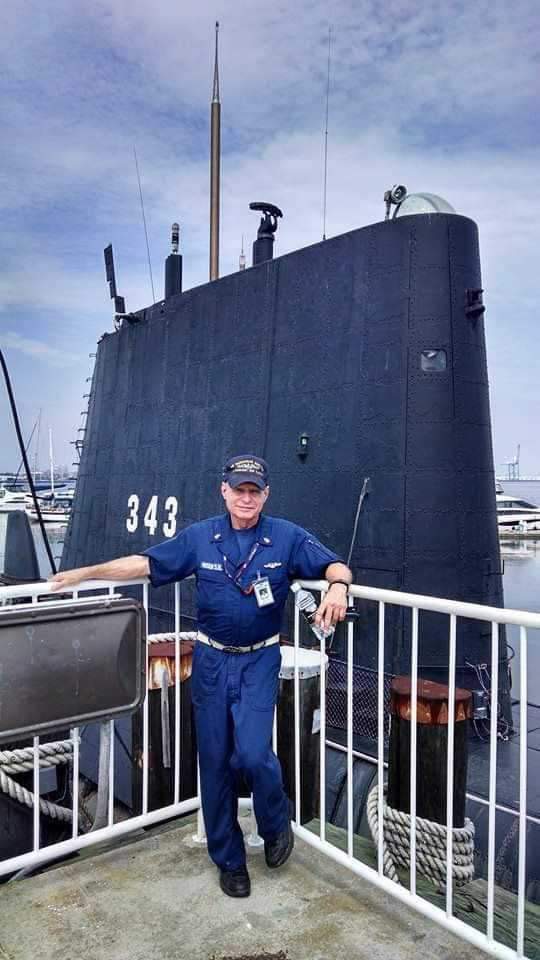
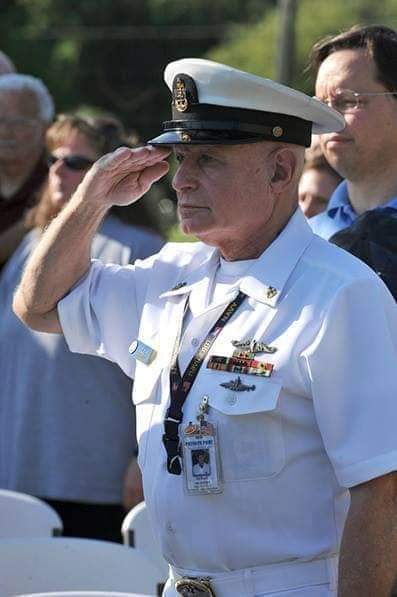
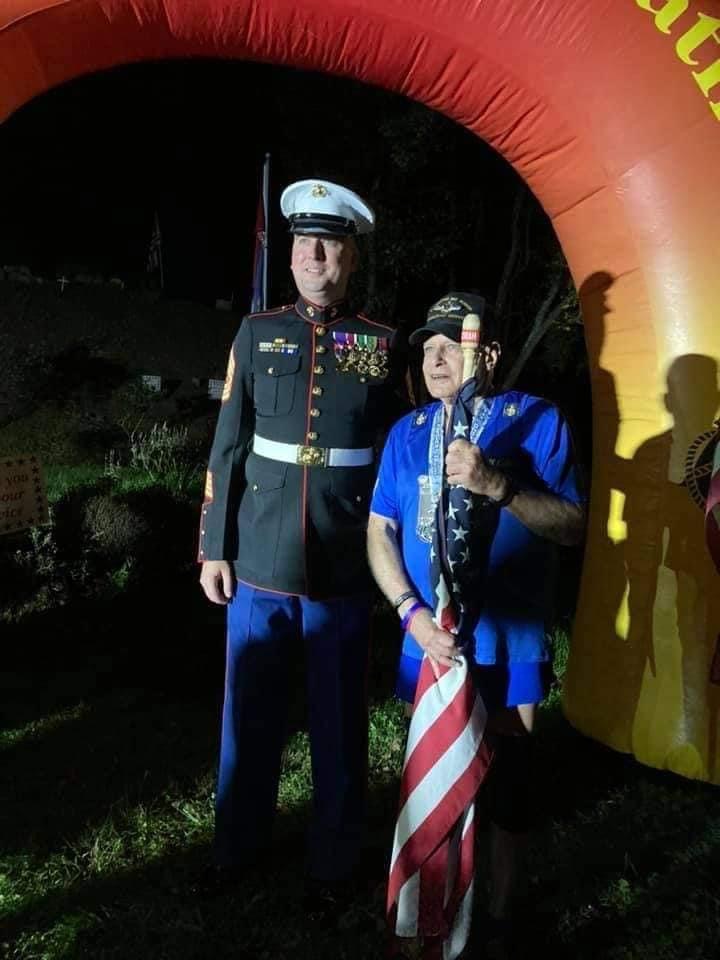

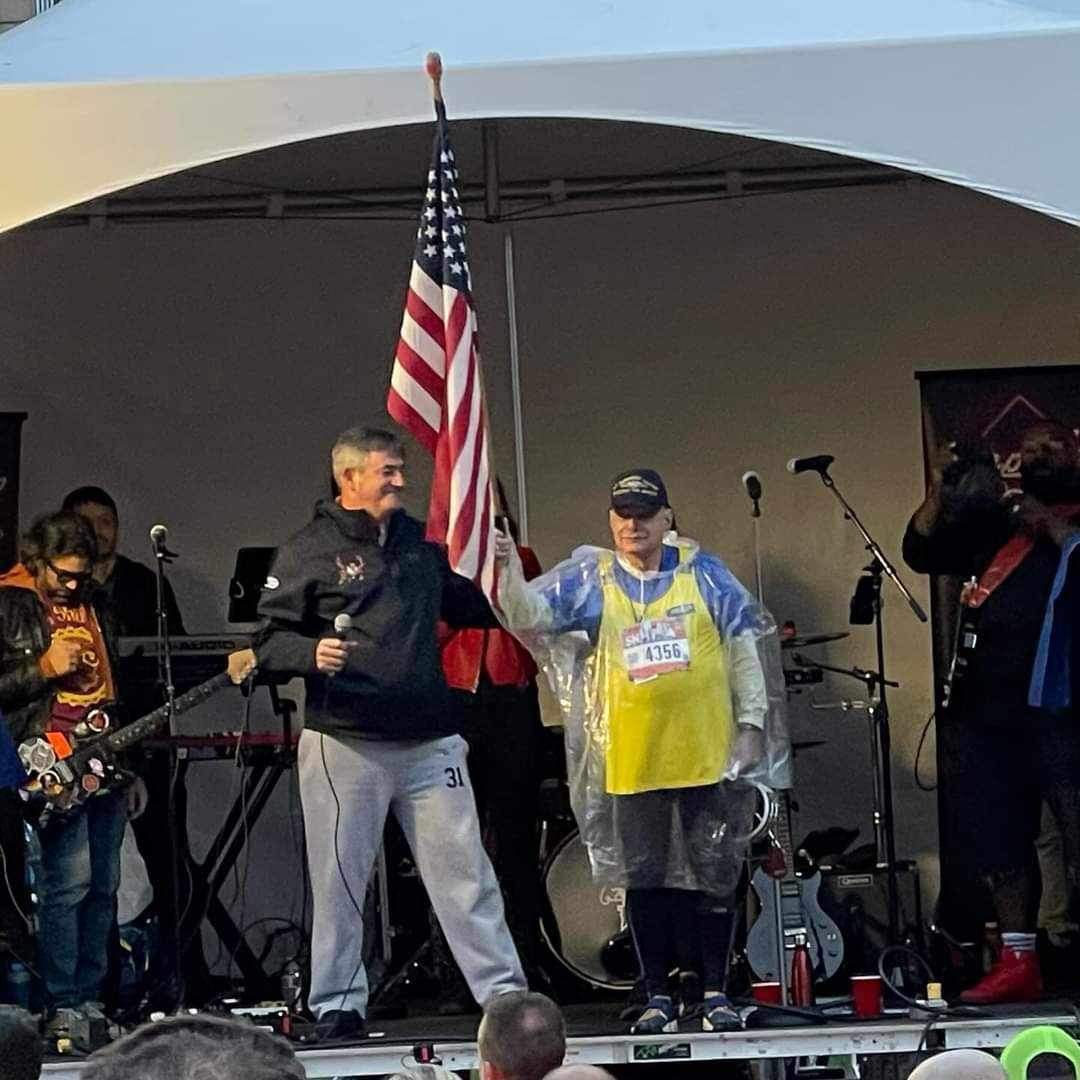
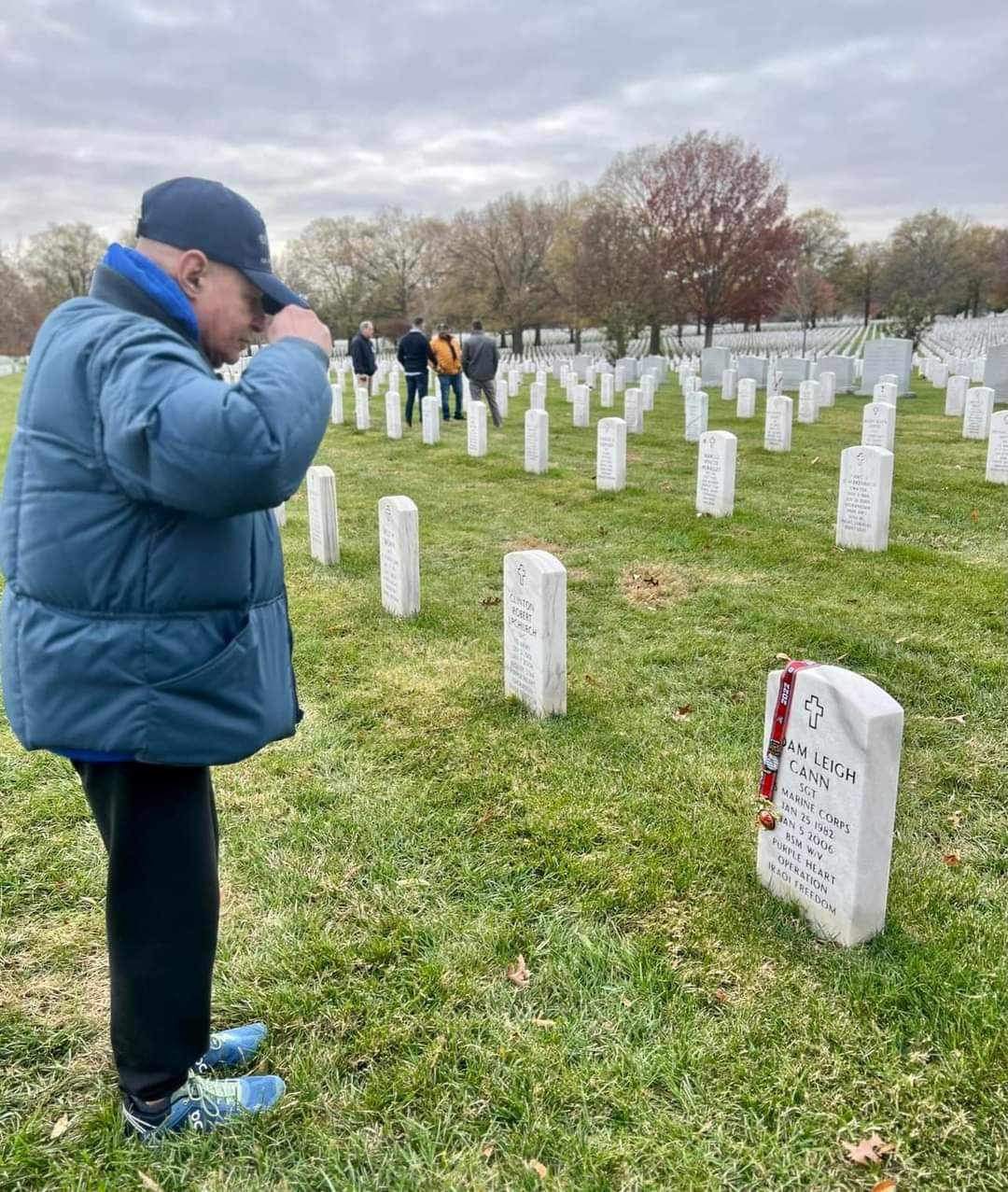
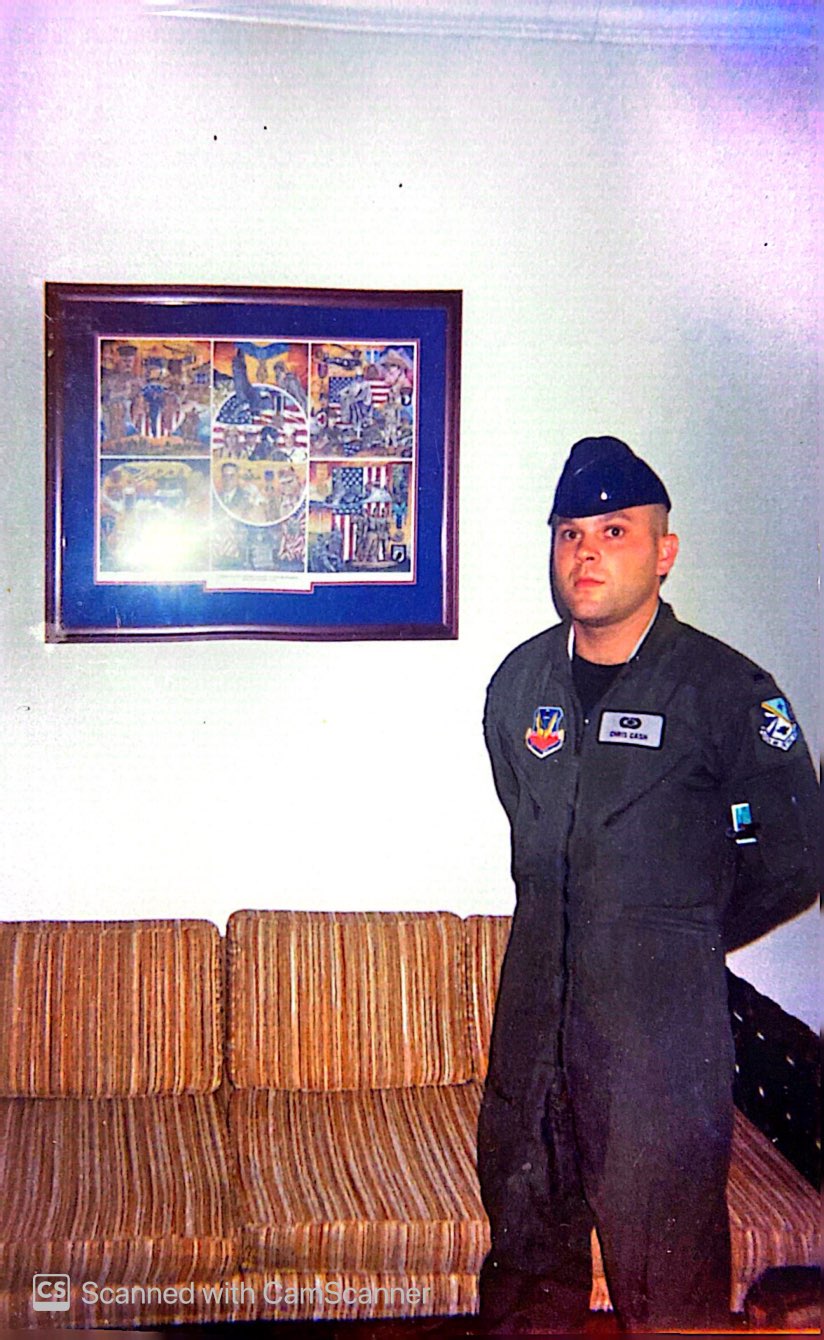
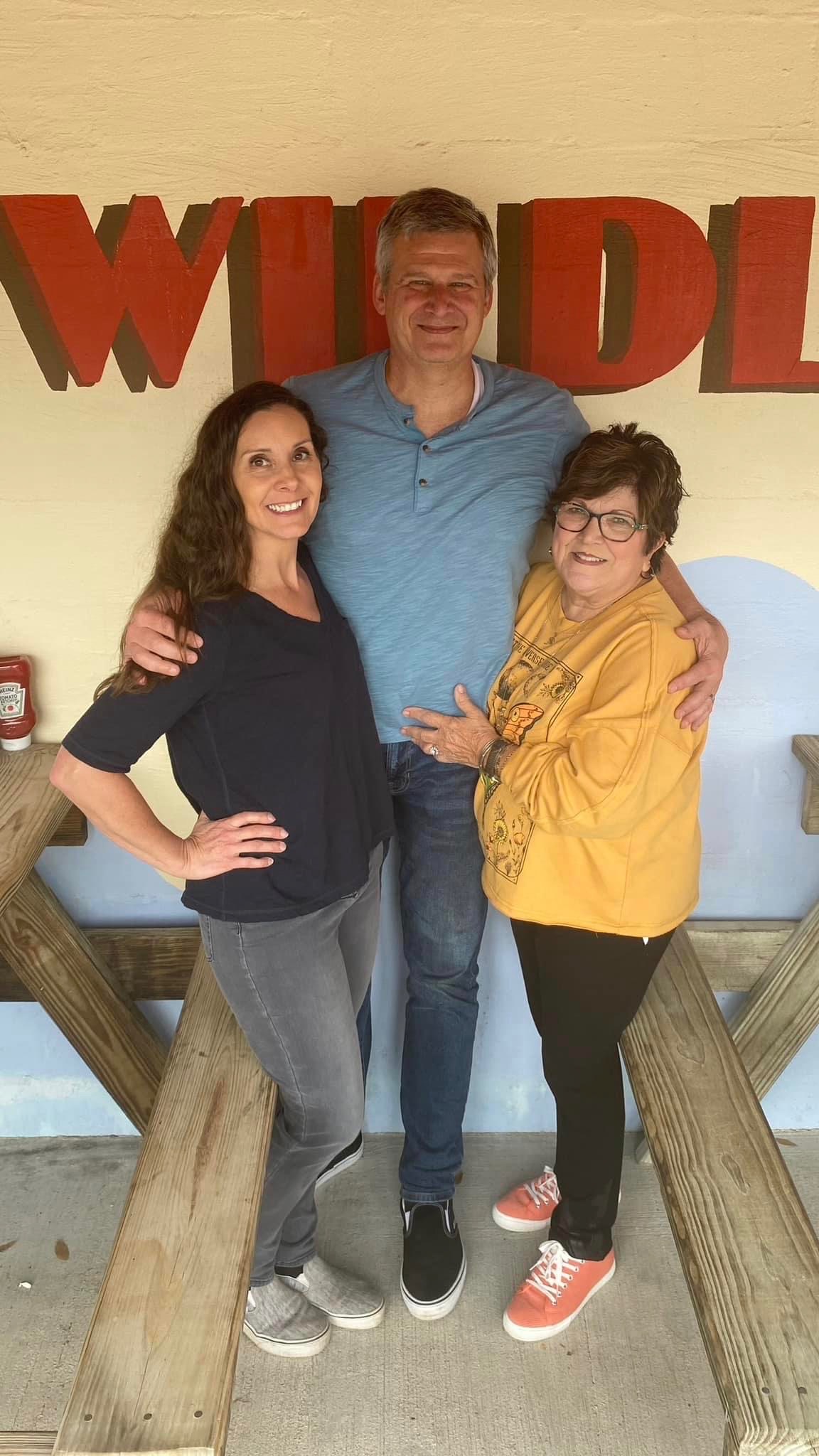
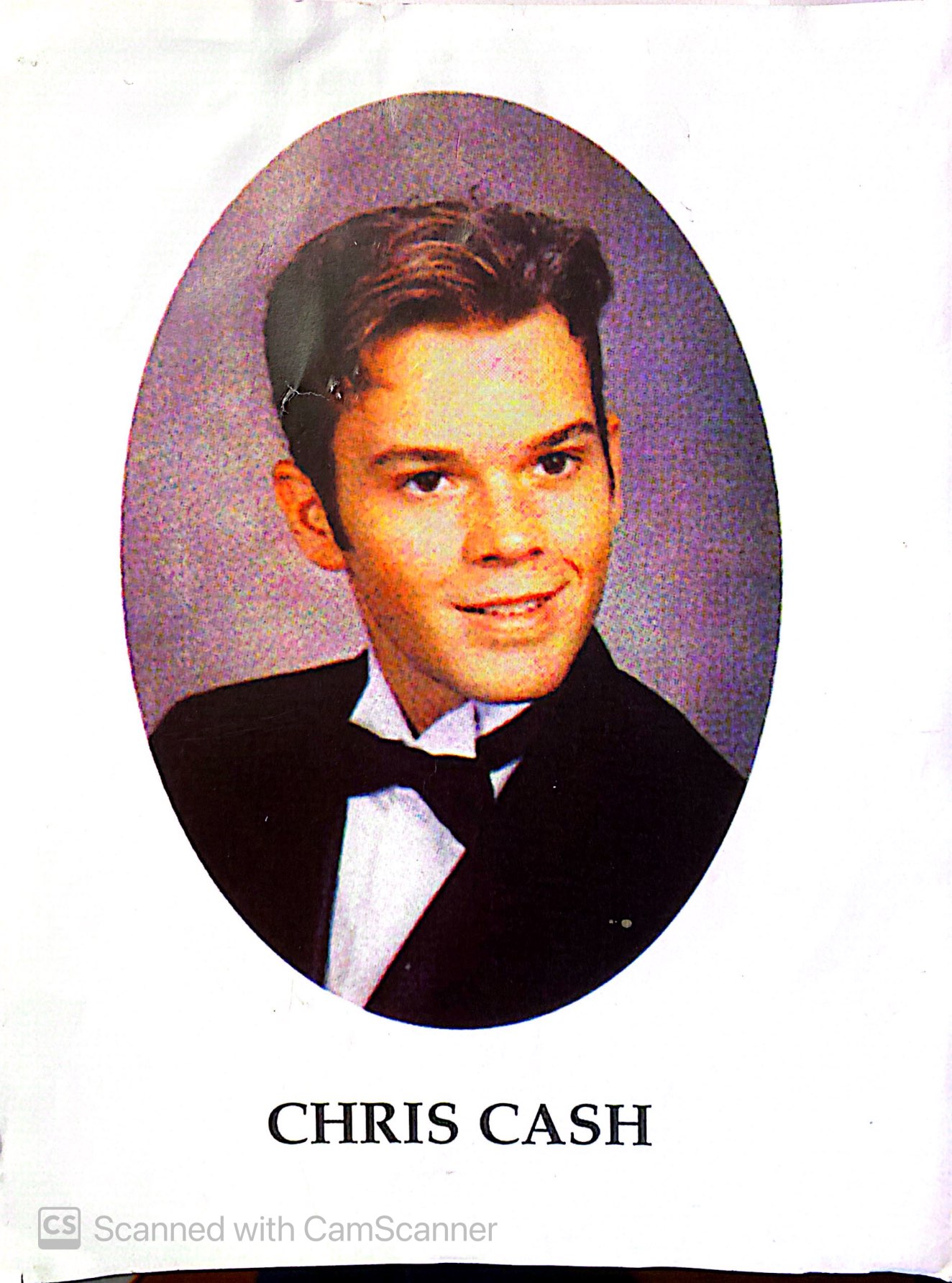
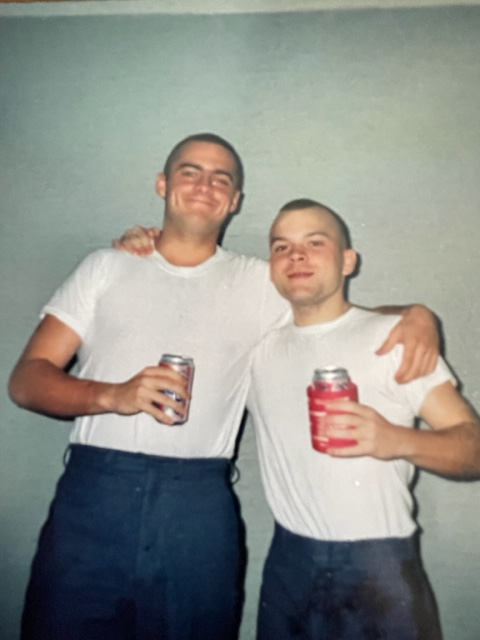
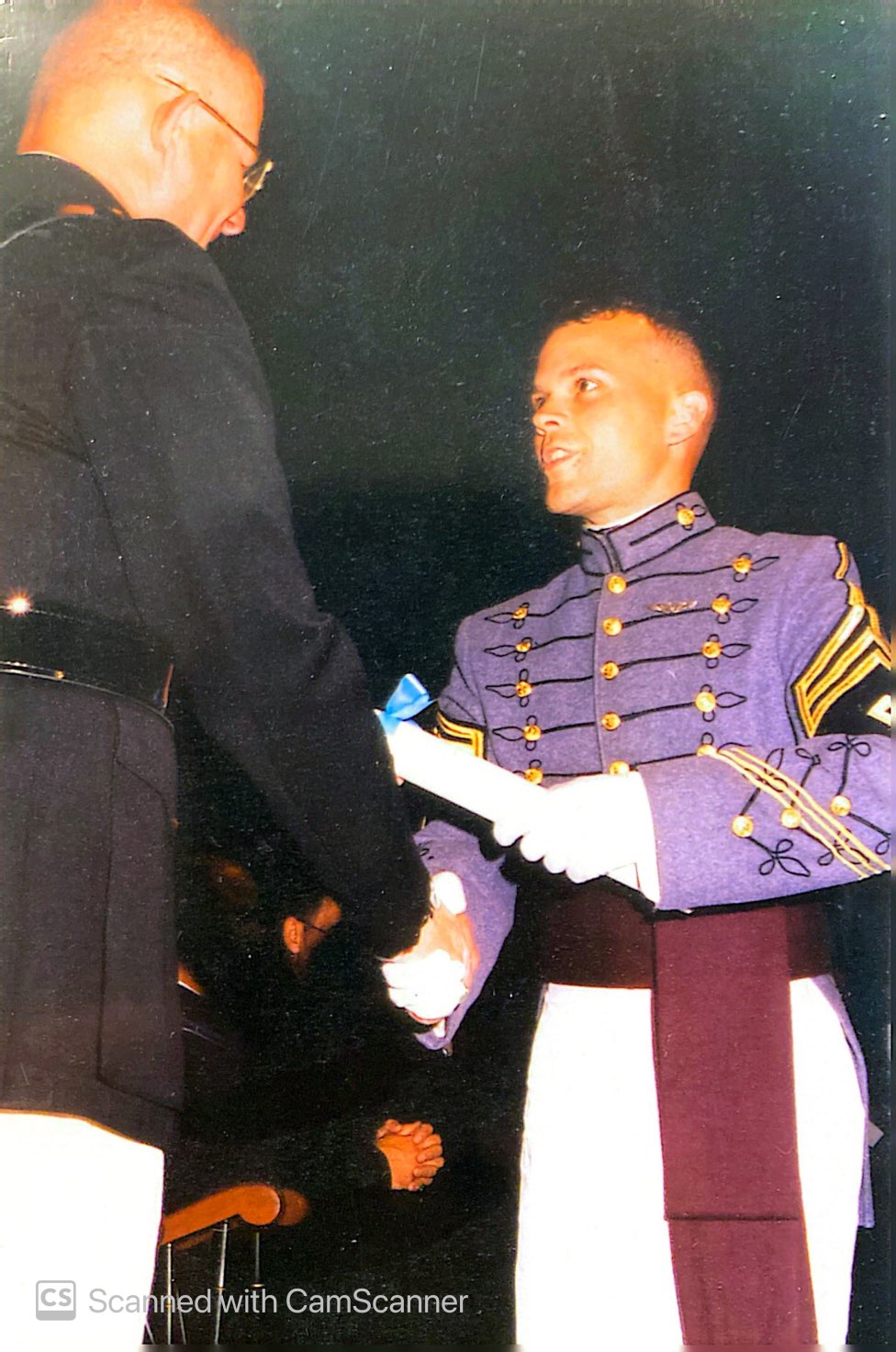
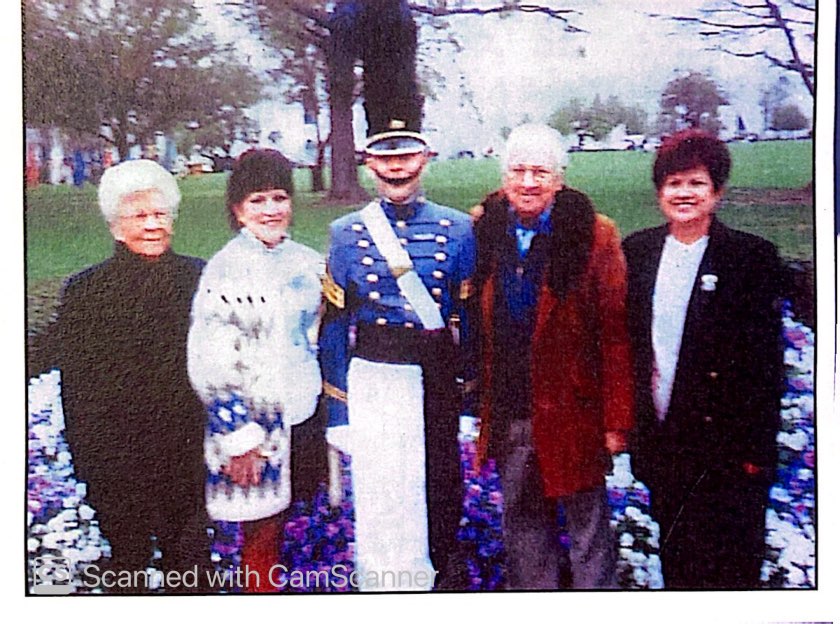
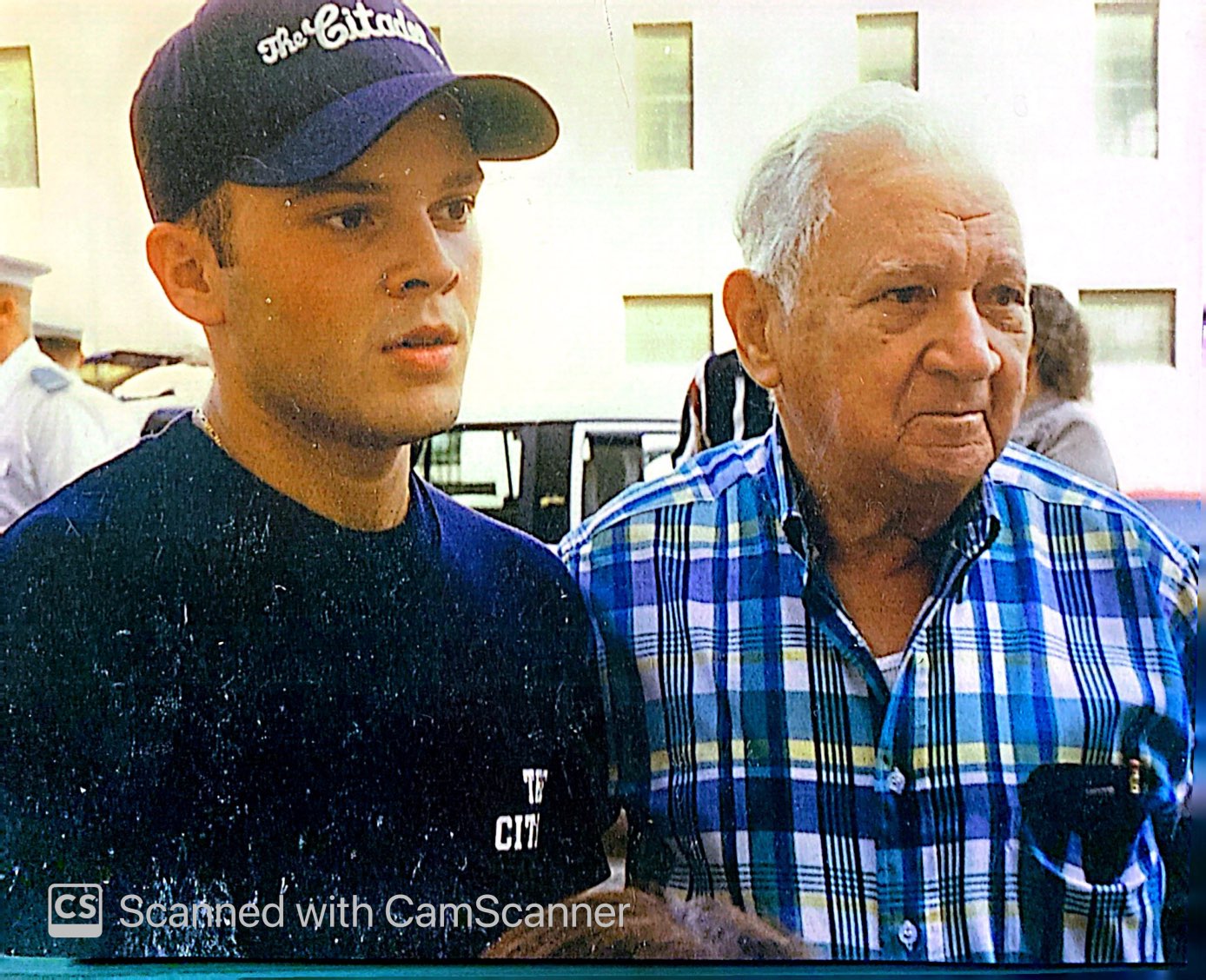
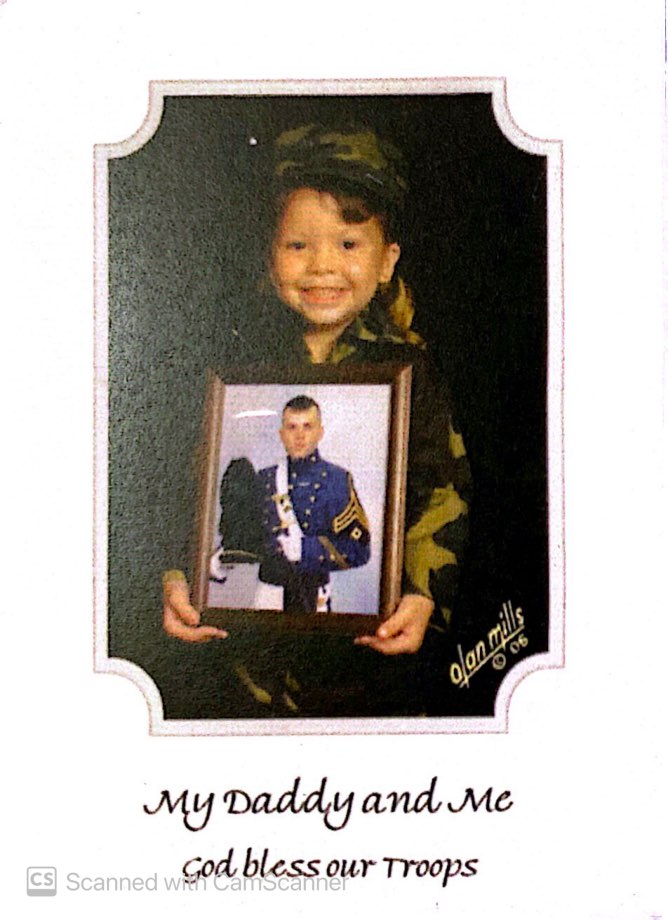

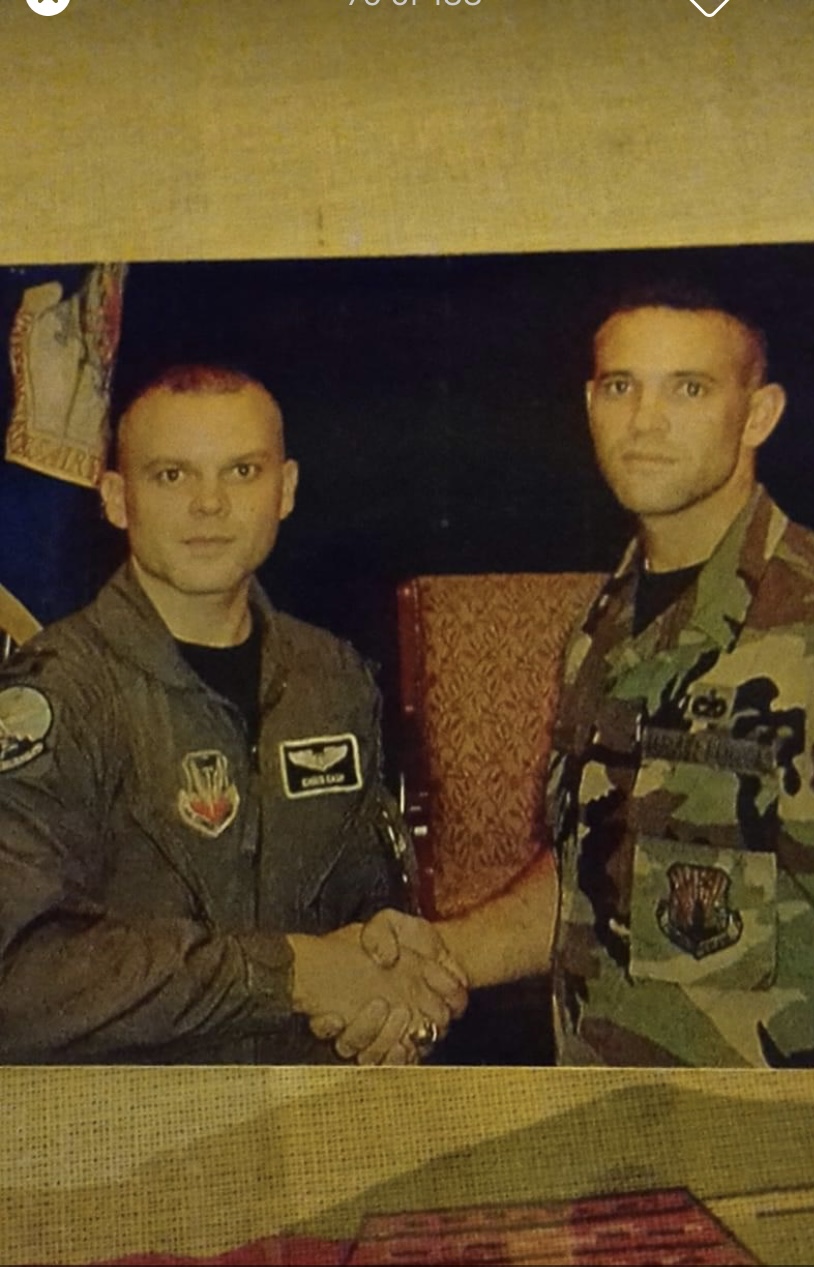
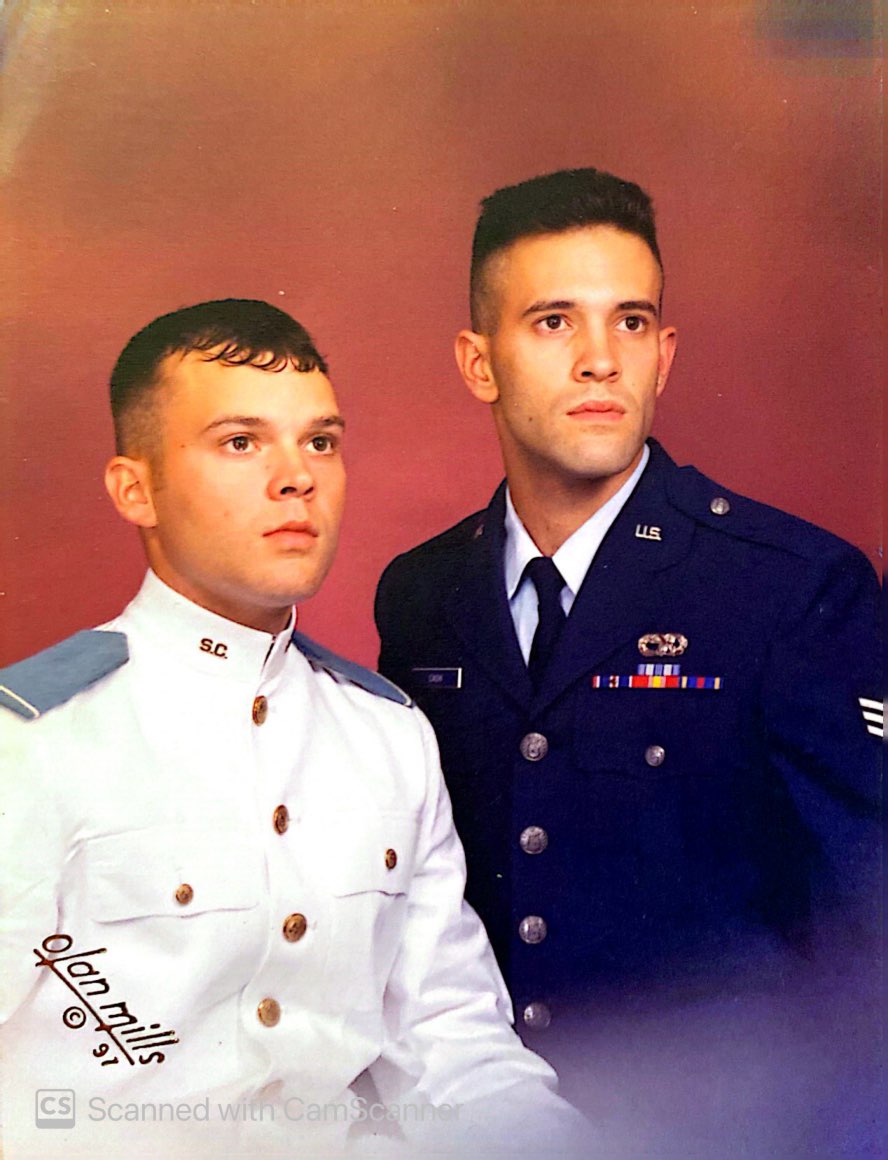
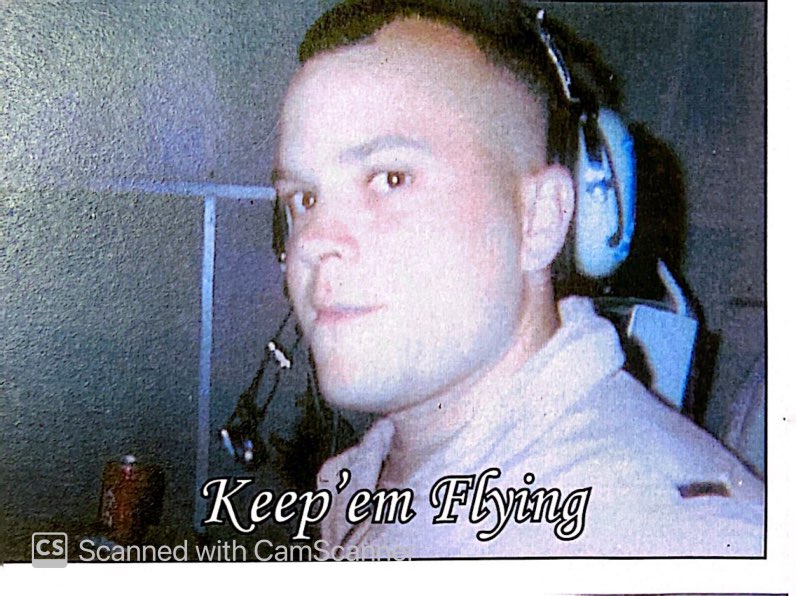
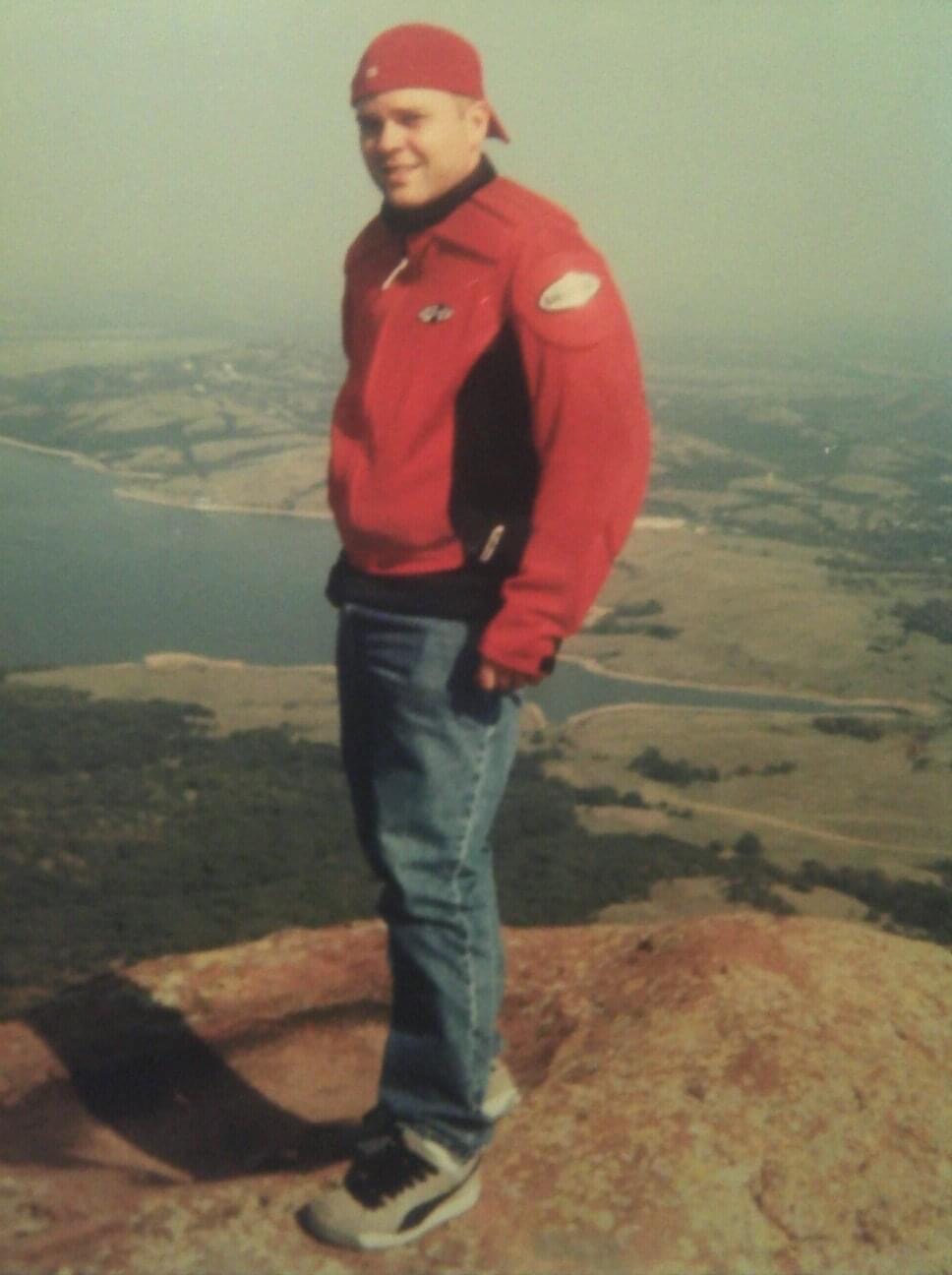
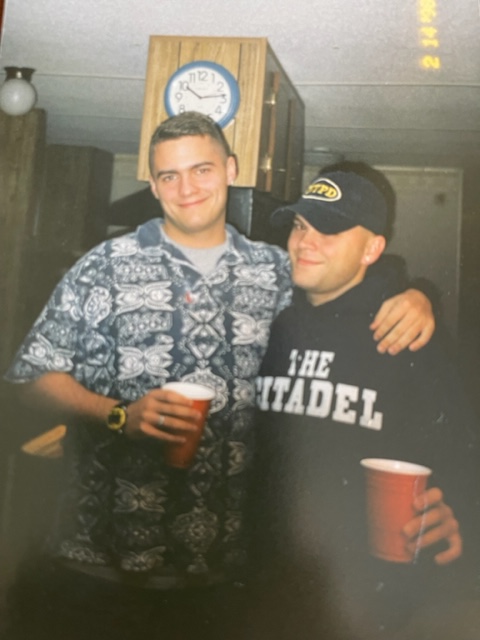
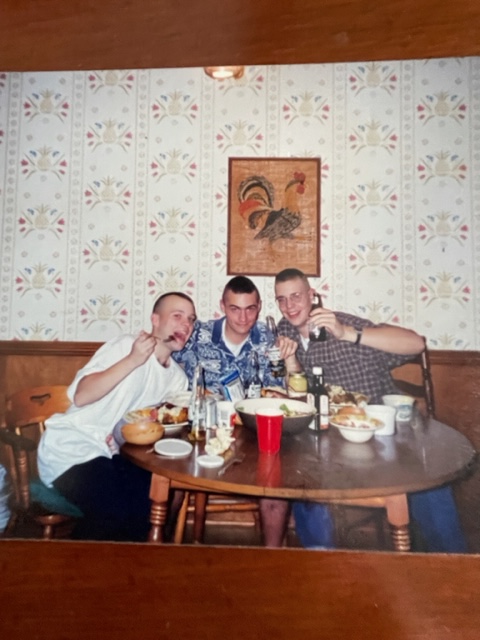
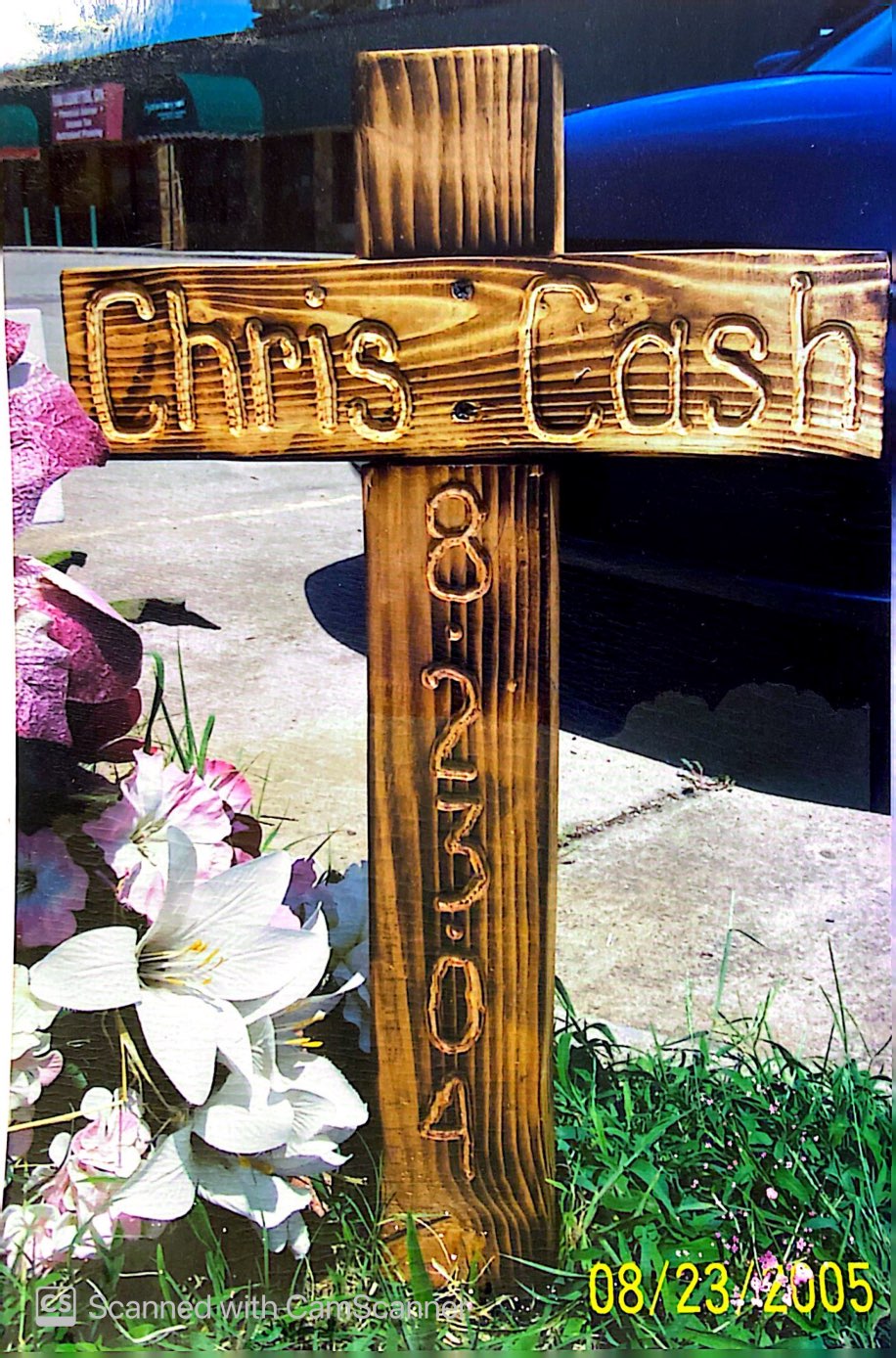
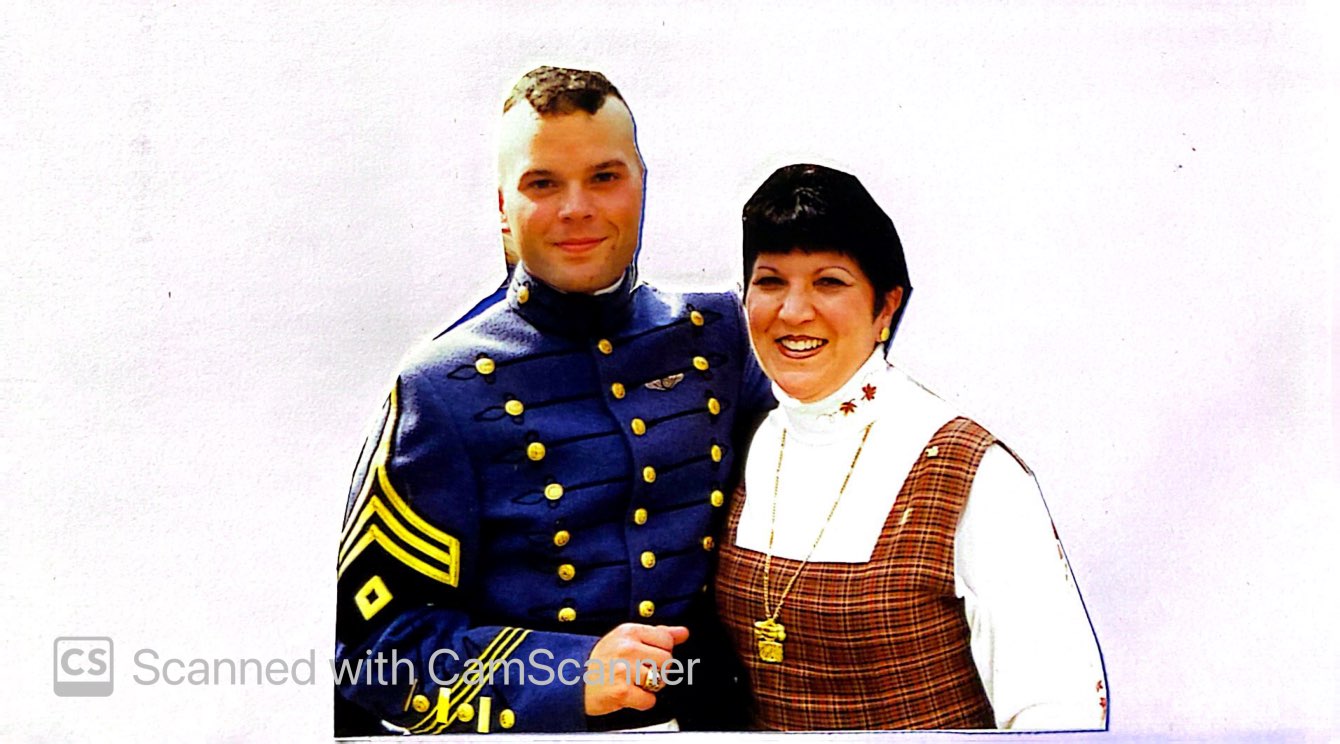
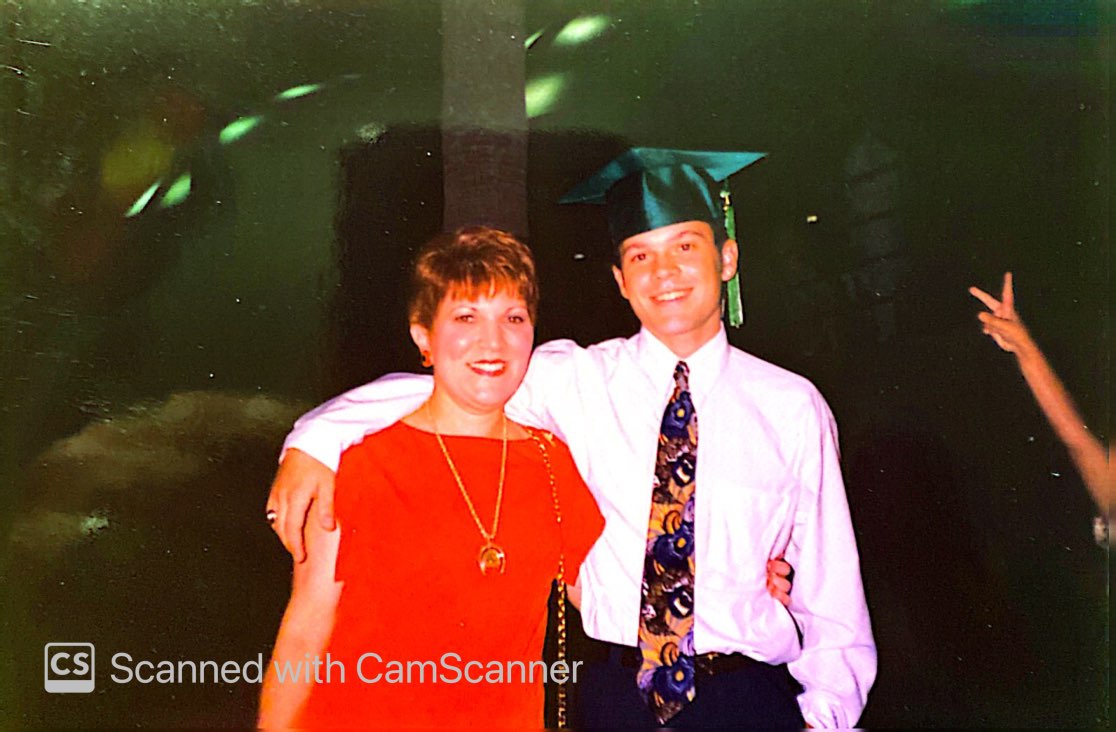
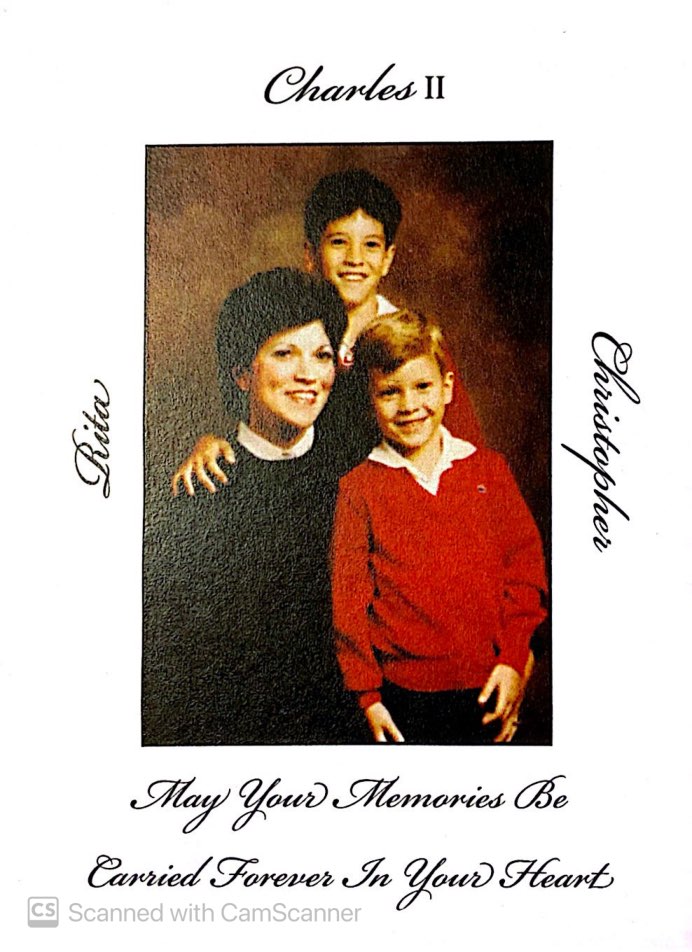
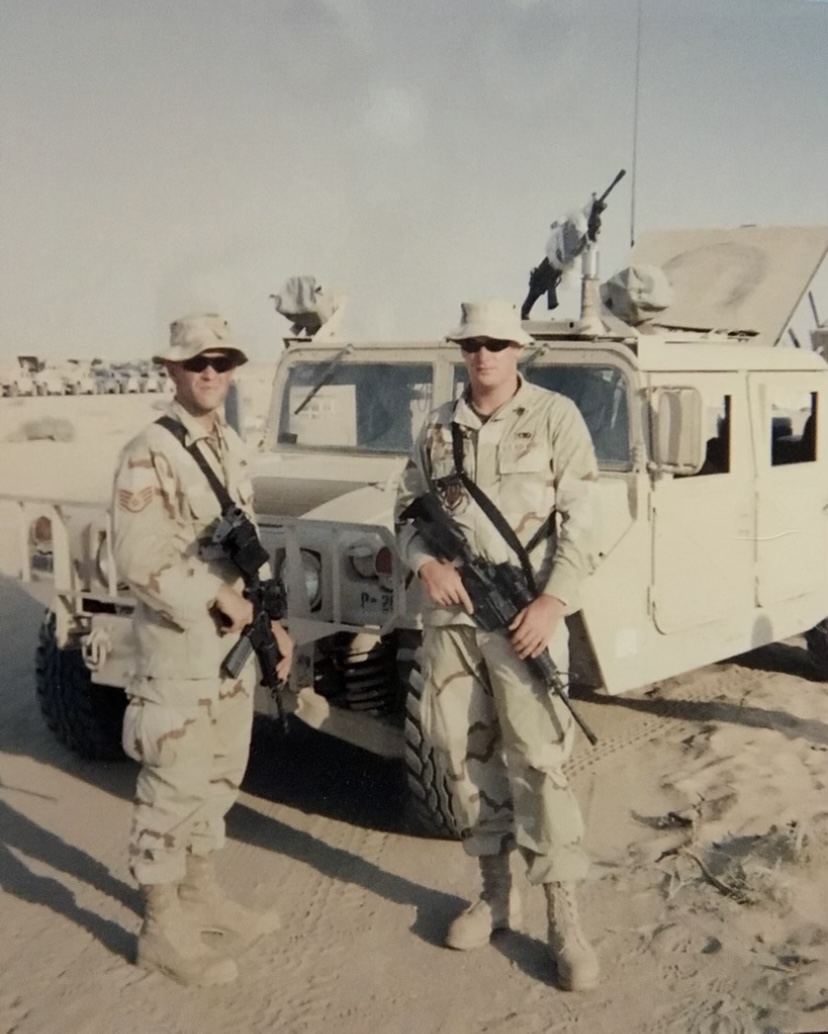

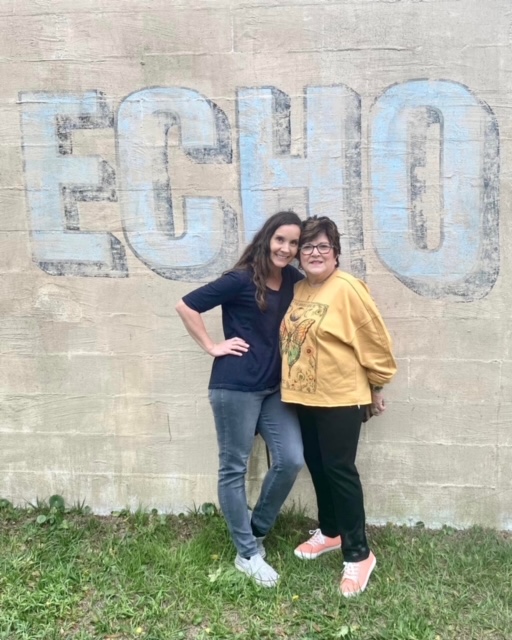
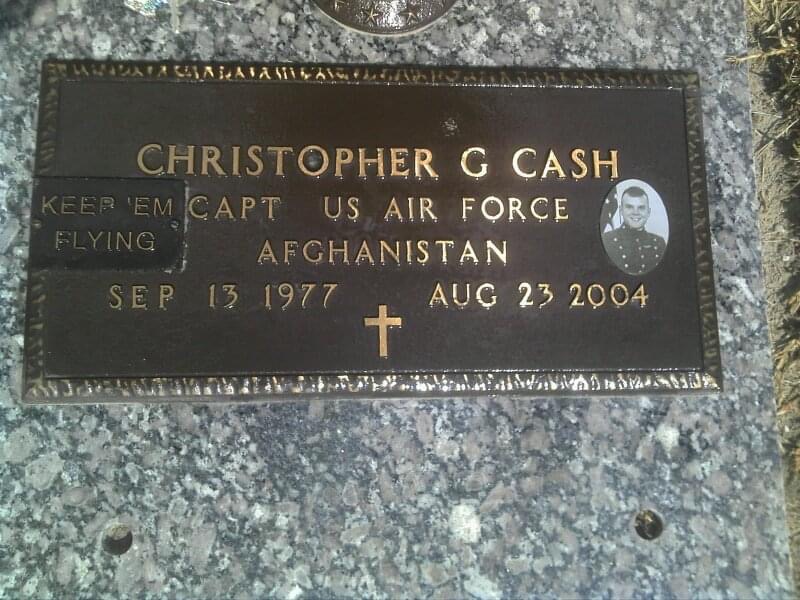
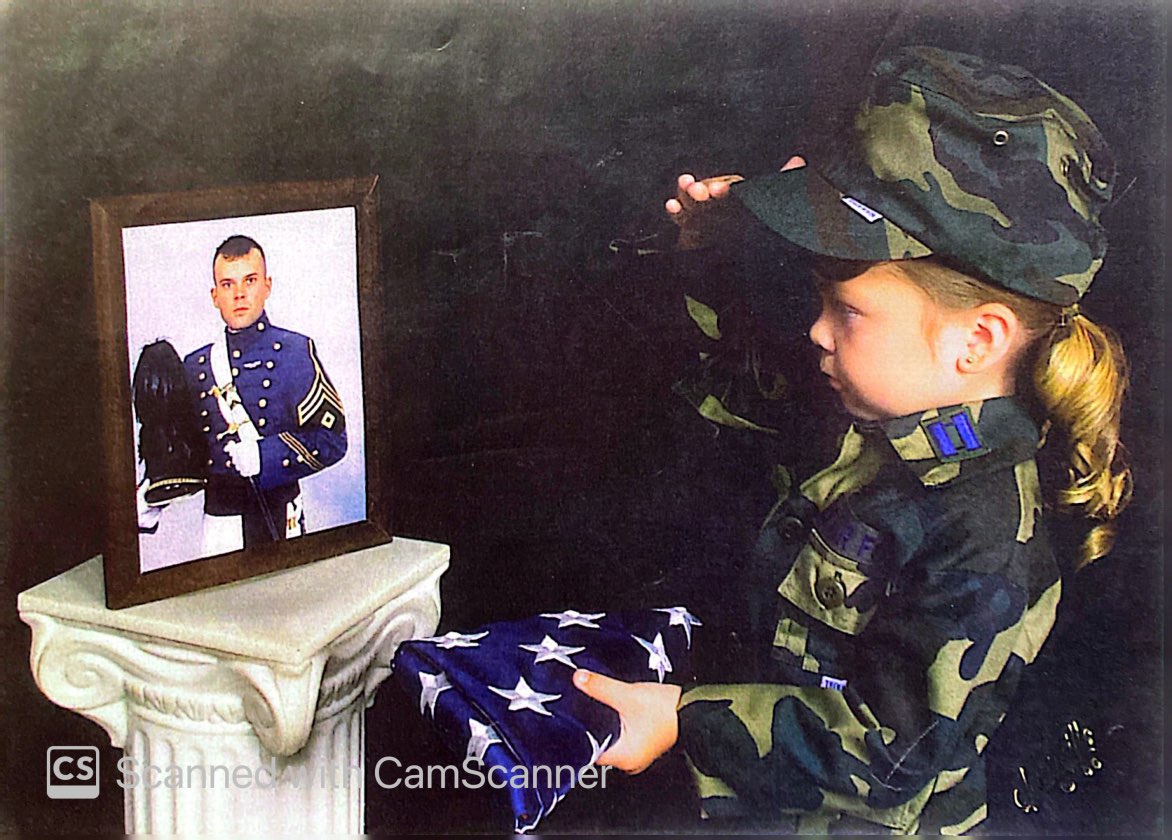
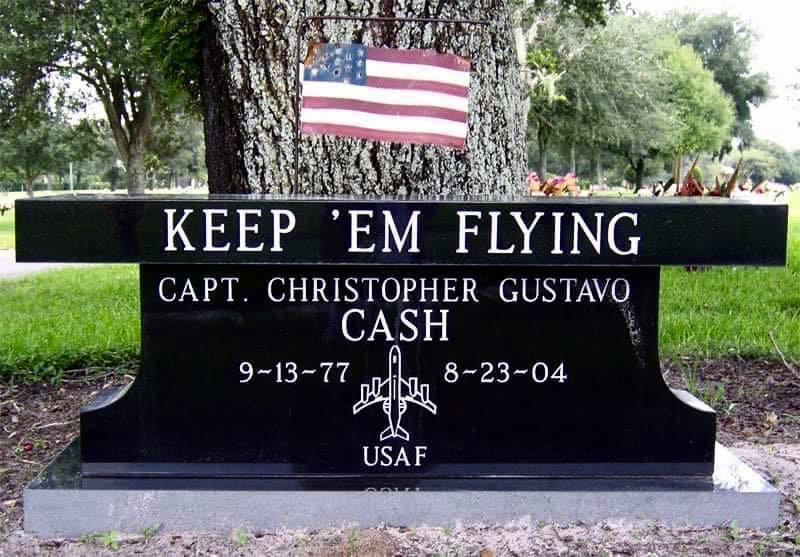
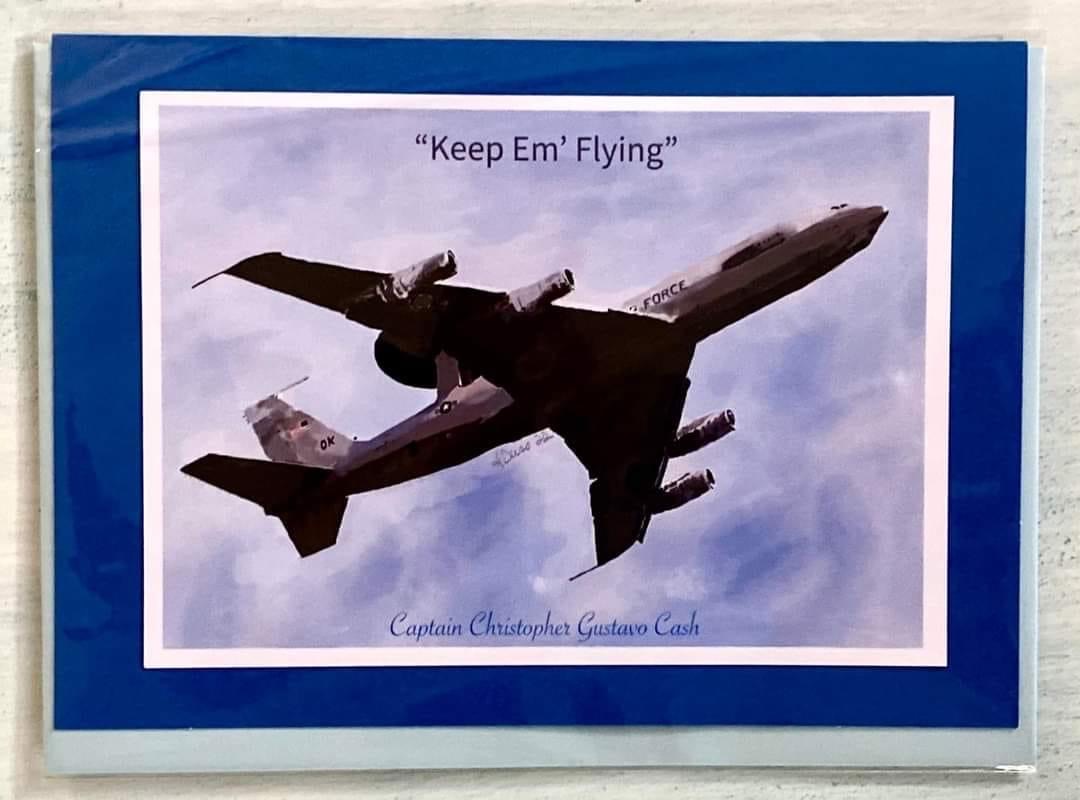
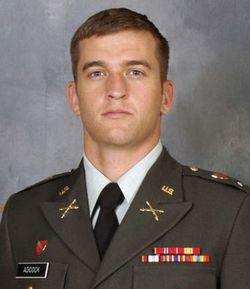
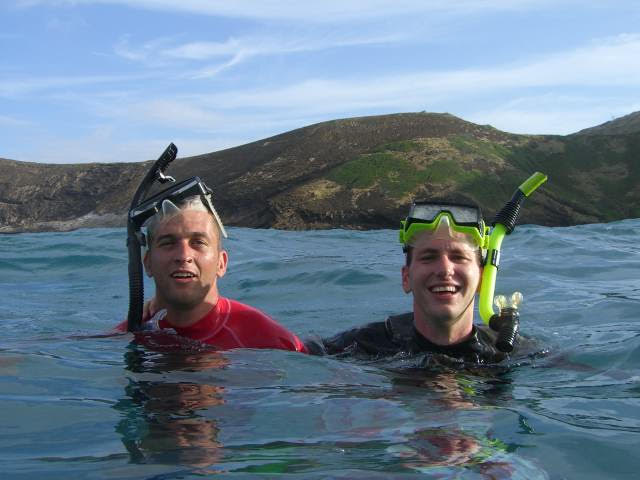
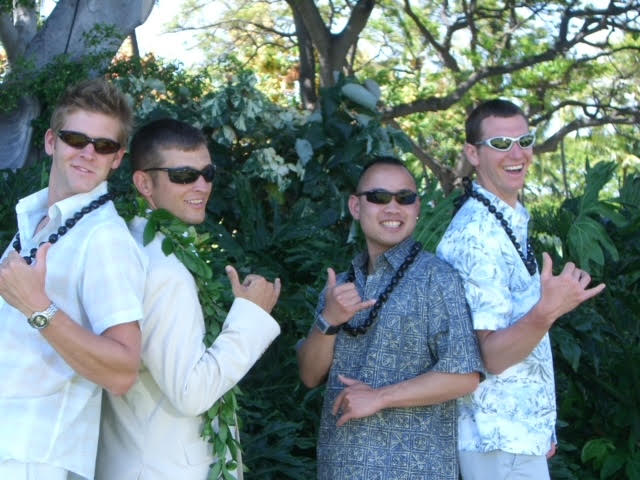

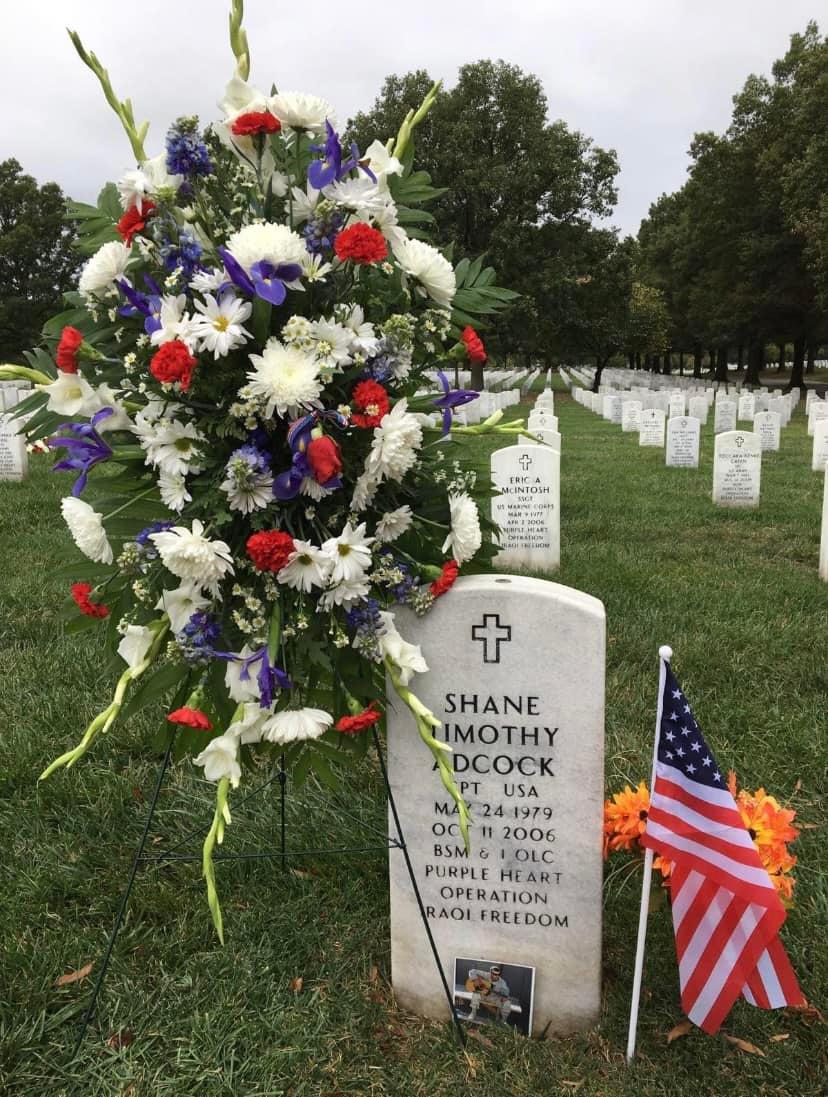
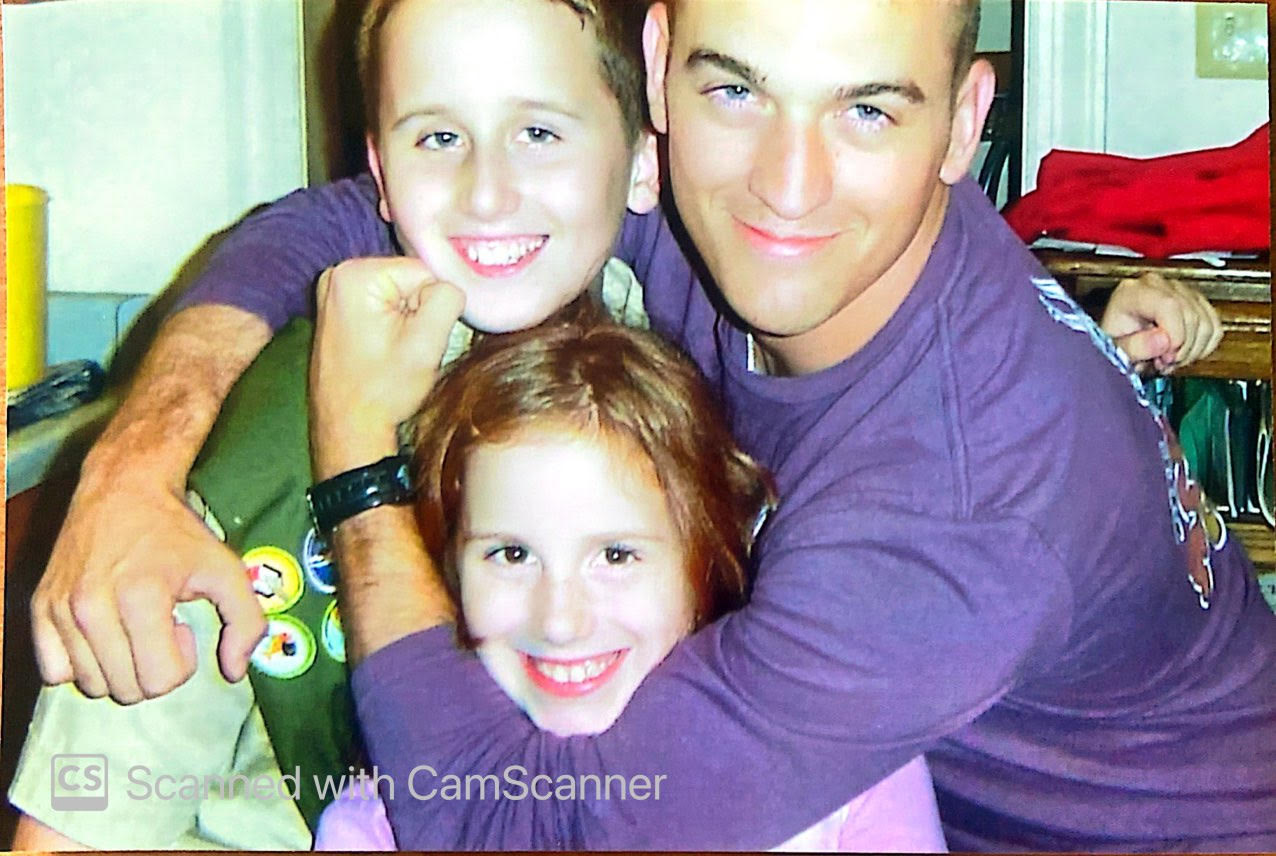

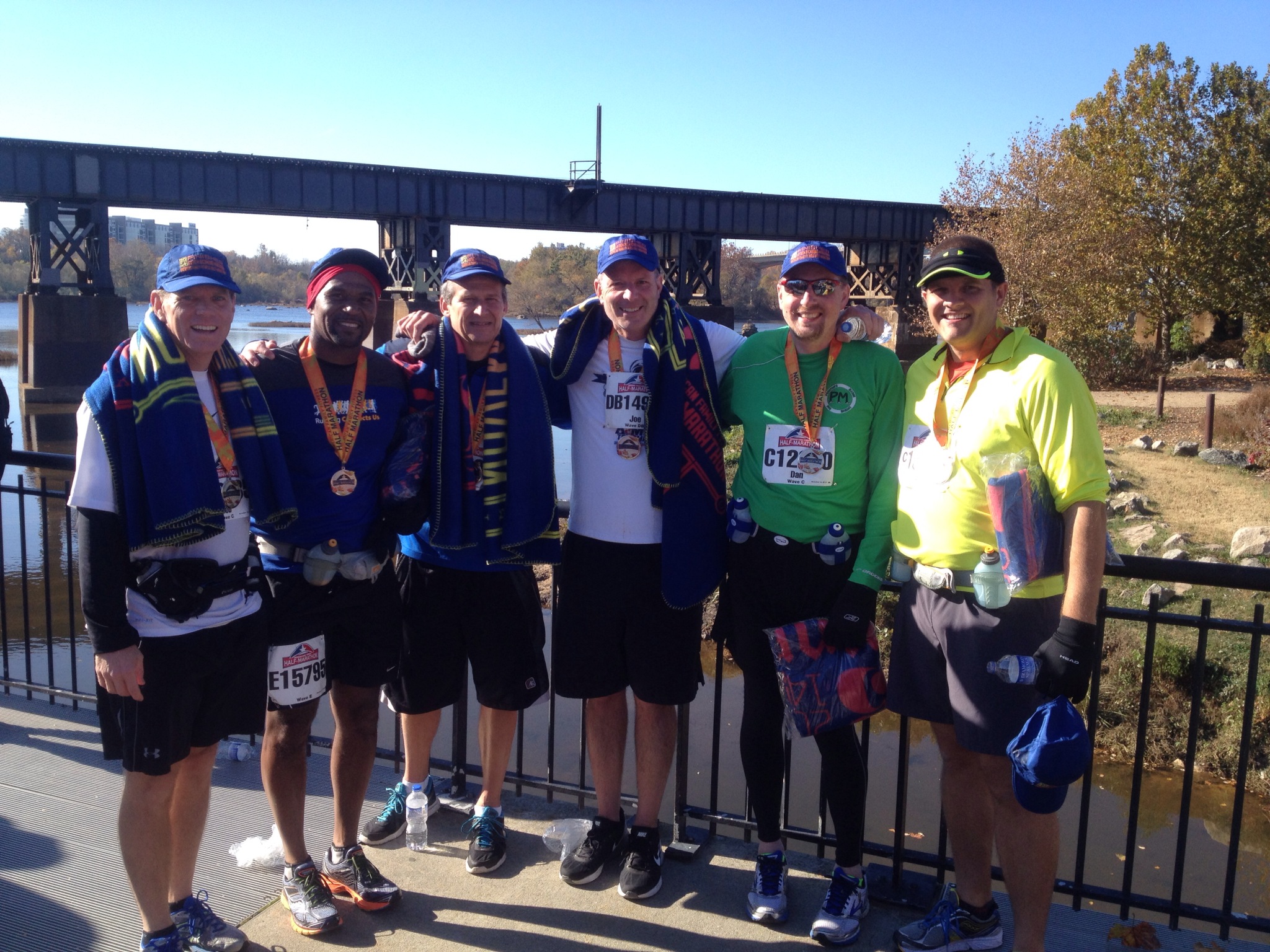
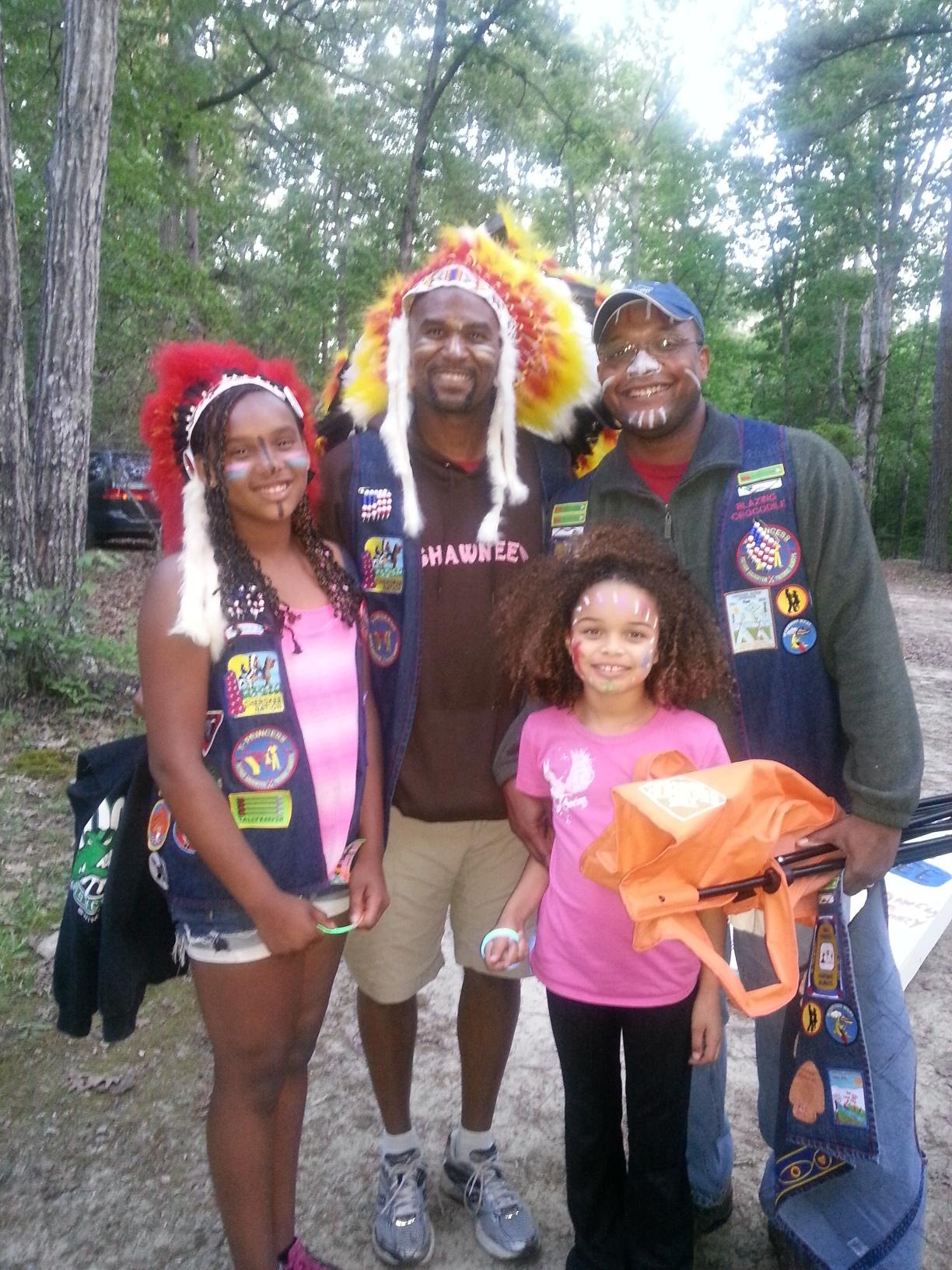
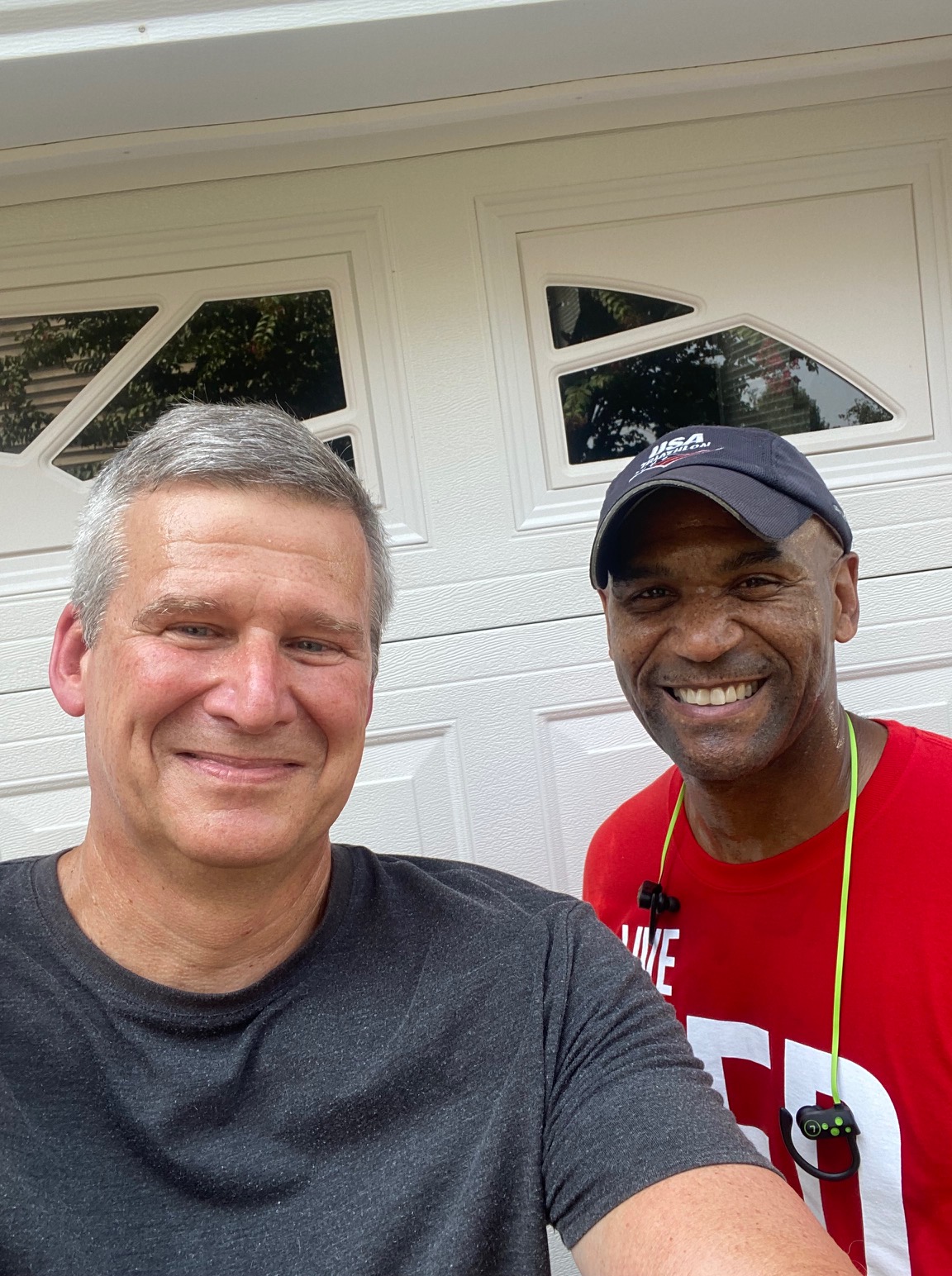
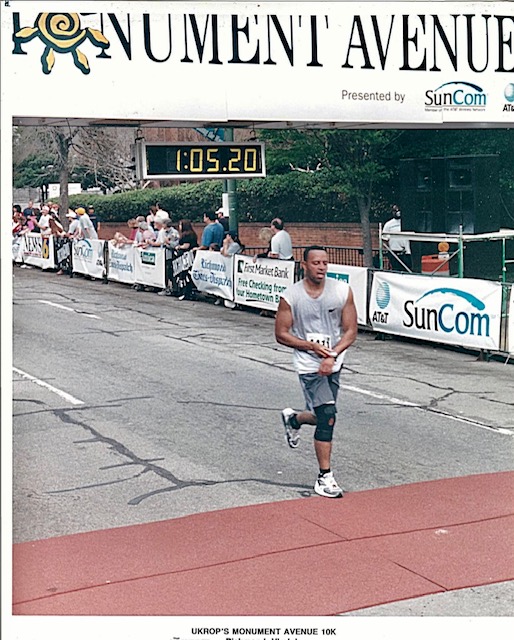
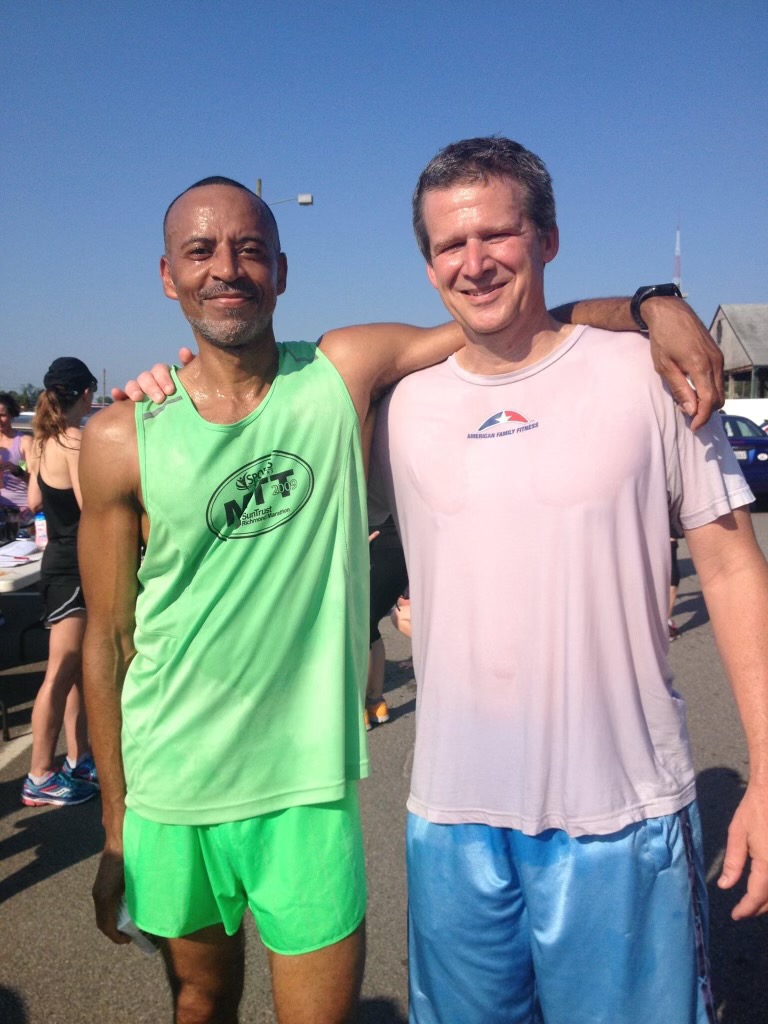
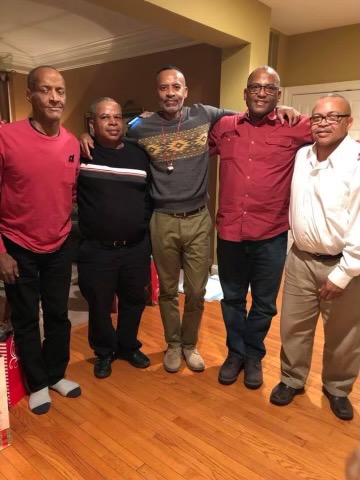
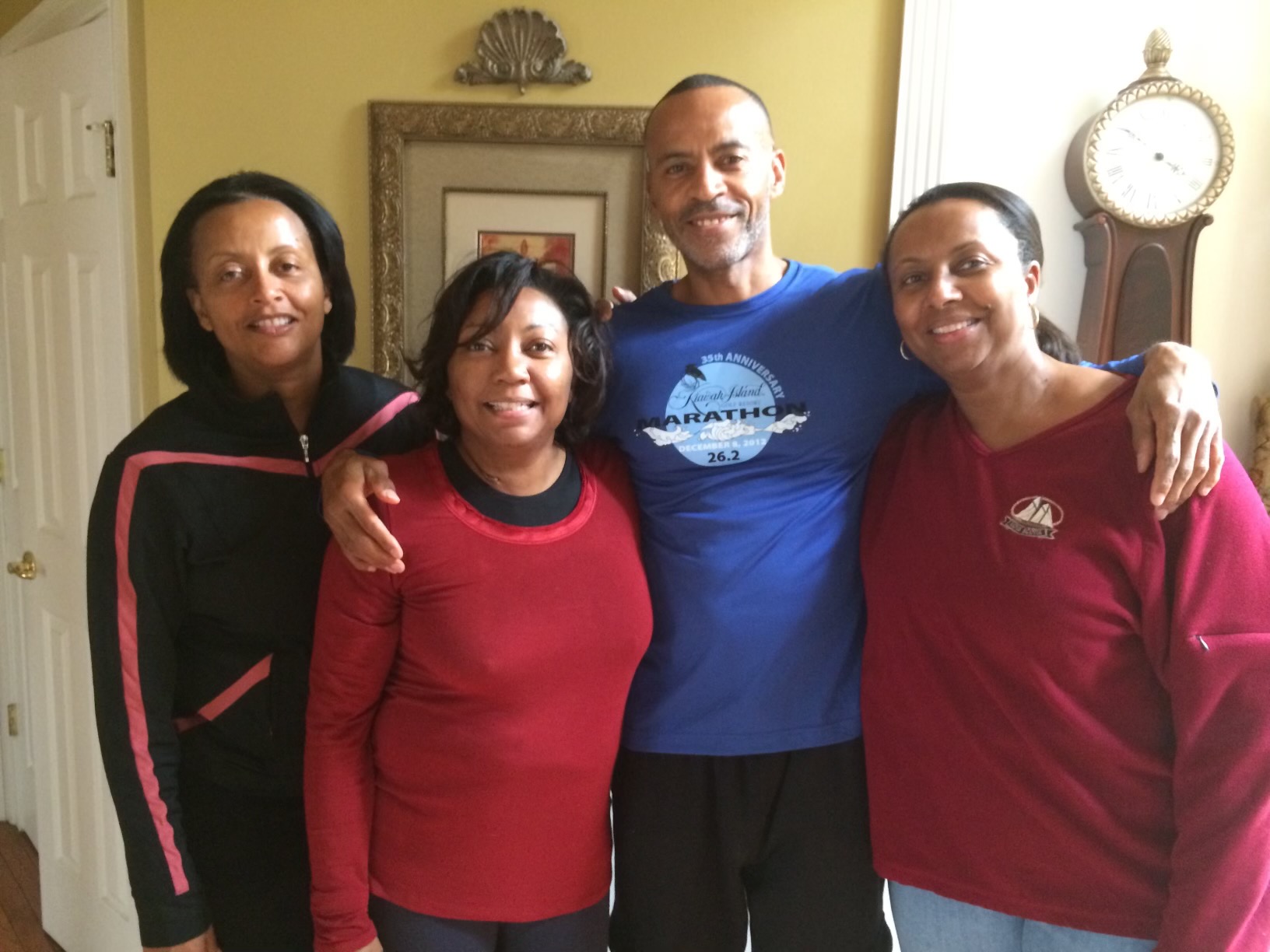
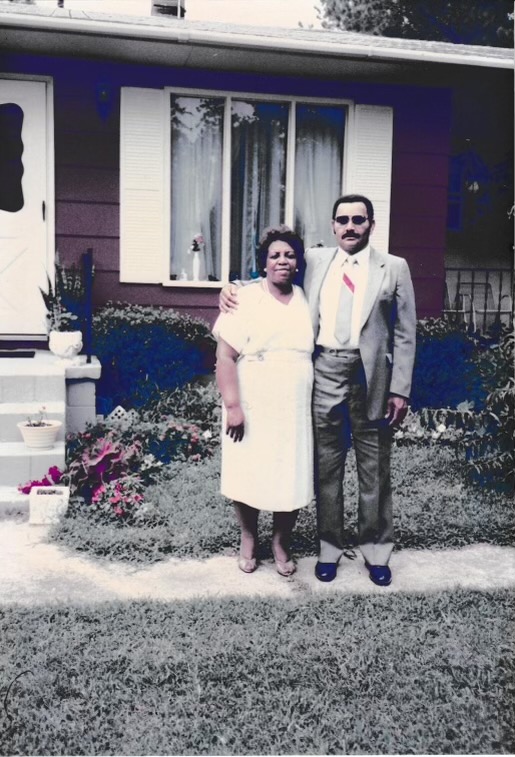
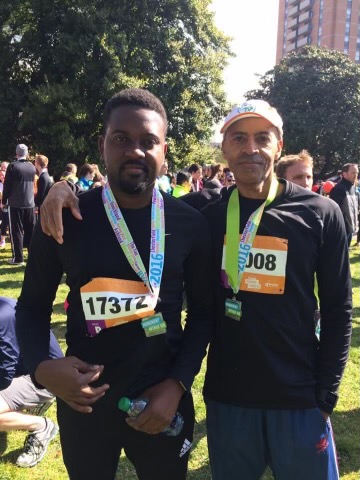
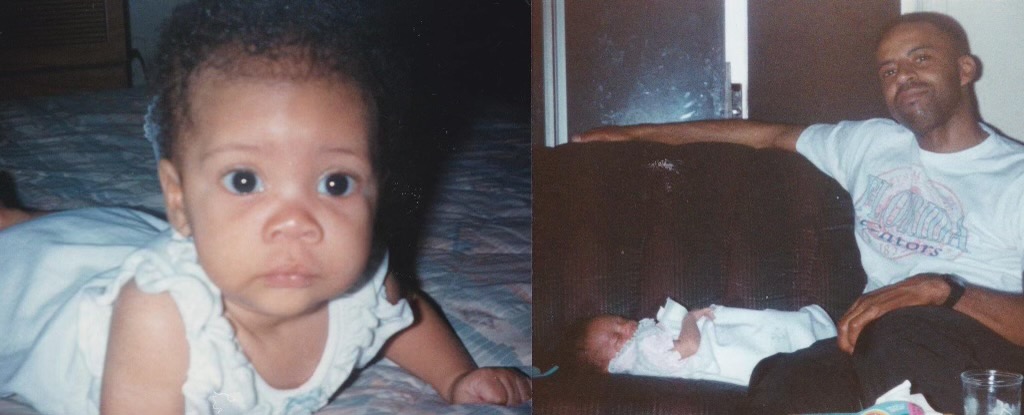
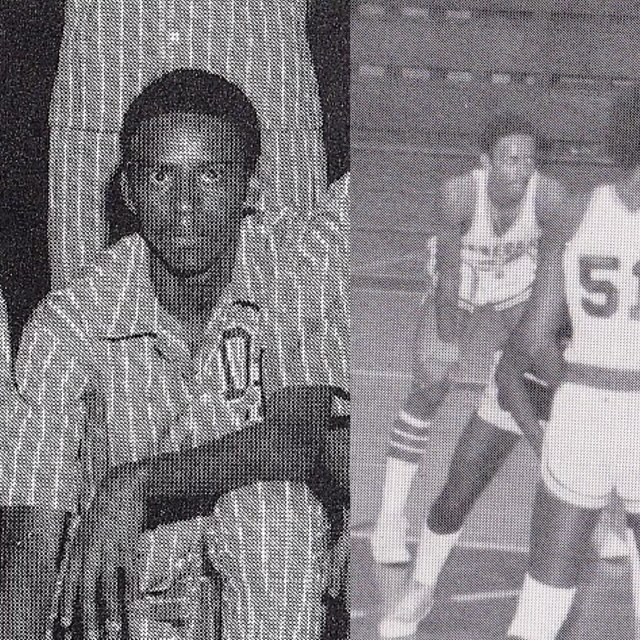
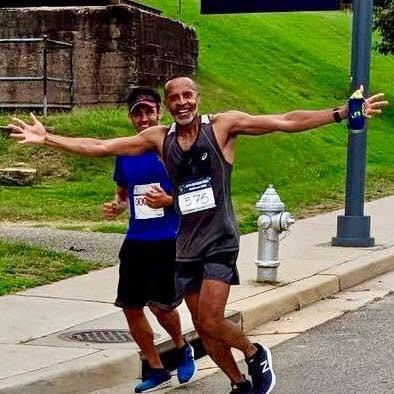
 Bleed As One