‘If you don’t get me admitted now, the next person walking through that door will be going through the window!’
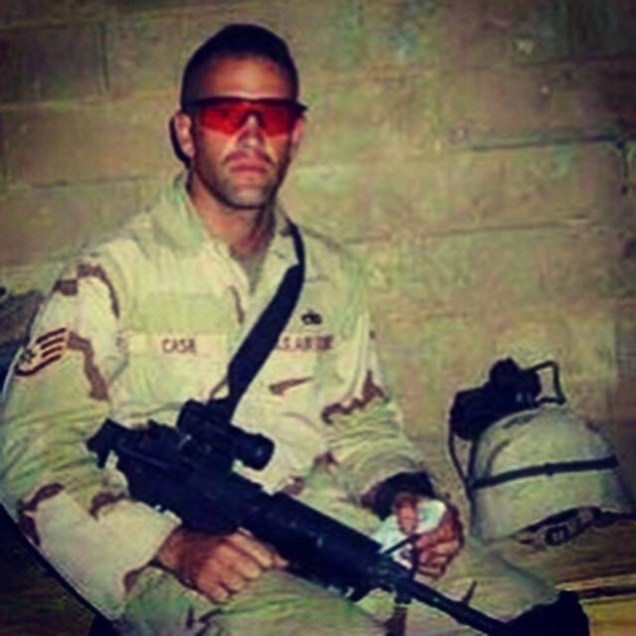
Chuck Cash had lost his brother, his marriage, and his life as he knew it, including being a Gun Truck Commander in the Air Force in 120 days. He suffers from a Traumatic Brain Injury (TBI), and he was drinking every day (8 days if he could) and got multiple DUIs within 18 months, along with getting arrested for alcohol related events within those 18 months. He knew he needed to get beyond the door and find peace from the chaos and pain of his life.
One morning, he woke up, packed his bag, and went to the Veterans Hospital in Tampa and told the nurse ‘I need to be checked into rehab now!’ And by now, that means now…fortunately nobody went through the window, and he was taken care of immediately.
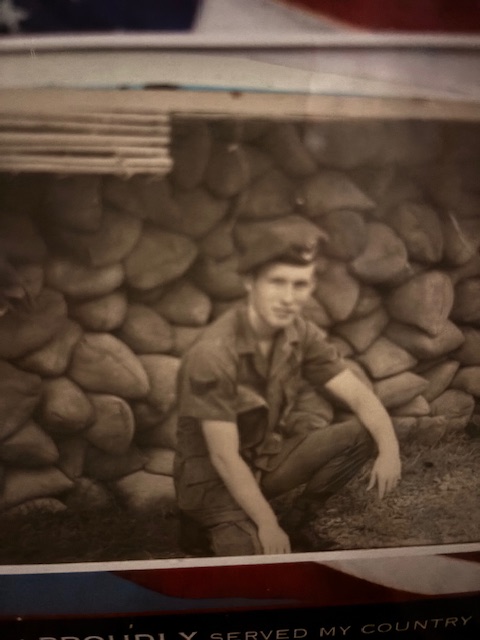
Chuck’s stepdad, Thomas ‘PJ’ Zvada, still thinks about his buddies from Vietnam; he served 18 months and arrived just as the Tet Offensive got going. He was a medic on an Army helicopter often flying into combat areas for rescue. He also kept extra clips on him for his gun to reload and shoot so they could get out with the wounded soldiers; few of us can imagine the cognitive dissonance of saving lives and taking them at the same time. His mind still fights those battles from 50 years ago, waking up in the middle of the night having flashback nightmares. The Vietnam War has been over for 50 years, 50 YEARS, yet for PJ and others that served as he did, it still mentally rages on each day.
“The true soldier fights not because he hates what is in front of him, but because he loves what is behind him.” —G.K. Chesterton
A conversation prompted by tragedy

What prompted this conversation for Veteran’s Day was borne out of a tragedy in our hometown of Southport, North Carolina. Our town of around 4,000 people is very small, quiet, peaceful, and there is only one restaurant that is open past 10pm. We have no chain restaurants, and it is common to see someone on their porch, introduce themselves, have a conversation and make a new friend shortly thereafter. Our town sits at the intersection of the Intracoastal Waterway, Cape Fear River, with the Atlantic Ocean right around the corner. Palm trees, pelicans, dolphins, boats coming and going, postcard sunrises and sunsets (we face south), make this place any photographer’s dream…we are incredibly grateful to live here. The movie ‘Safe Haven‘ (from the book of the same name by Nicolas Sparks) has made this place feel exactly that.

Which is why the night of September 27th, 2025, seemed unreal. One of our favorite spots in town (and a draw to many visitors) is American Fish Company, which sits on the waterfront. That night, an armed sniper drove his boat up the Intracoastal Waterway from Oak Island, idled just off the dock and started shooting. He killed 3 people and injured many more. My wife and I were awakened by text and calls from friends and family asking if we were OK, as we had gone to sleep and had not heard the news until the next morning. We could not believe it; our Safe Haven bubble had been shaken to the core.
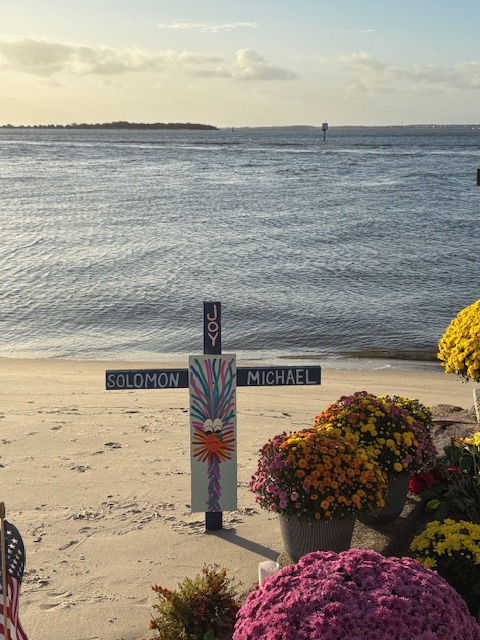
We mourn with the families who lost loved ones and will always keep you in our hearts, Joy Rogers, Michael Durbin, and Solomon Banjo. They were simply enjoying their evening when this tragedy occurred, and the shooter is a marine and Iraq war veteran. As we learned more, it was discovered he struggled with mental health that was left unchecked; that said, he chose this action and there is no excuse. We are thankful he was caught quickly by the authorities.
What nagged the next few weeks was how it got this bad? Is there anyone who I could talk to that is a veteran, has a Traumatic Brain Injury (TBI) and/or mental health issues due to war and life circumstances that we could all learn from. Angela, my wife, suggested Chuck Cash and his stepdad PJ Zvada. Both war veterans have experienced the worst sides of humanity and have moved beyond the doors in their lives to make peace with their pasts and put purpose to their pain.
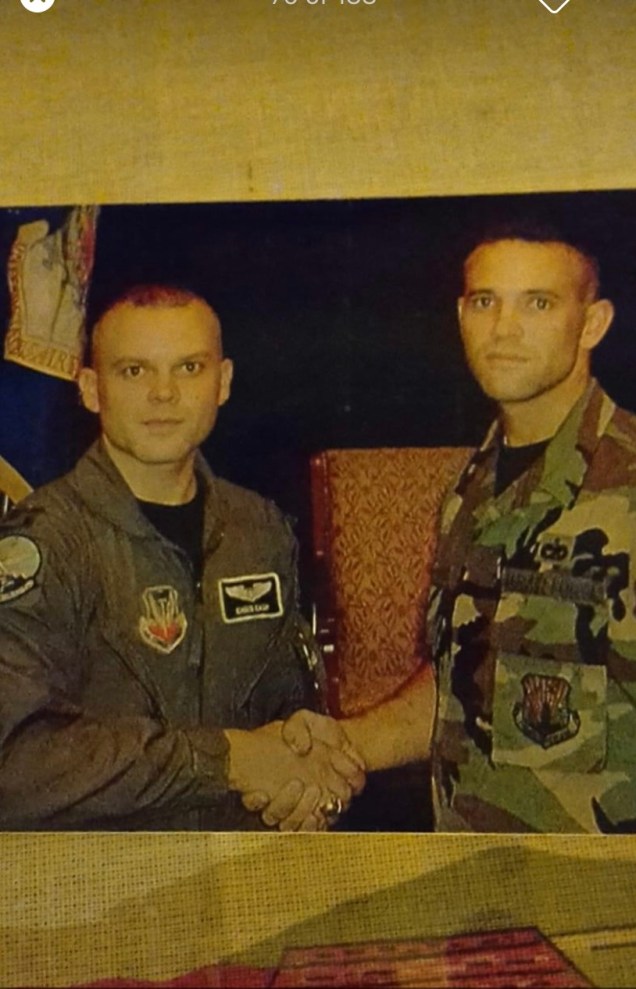
We recently took a trip to Tampa, Florida to visit Chuck and PJ, and their families. You may remember the story of Chris Cash (Chuck’s brother) who I wrote about in 2023 for Memorial Day and whose life was cut way too short; Chris was supposed to be Angela’s husband and their mom, Rita, her mother-in-law. As I wrote, for Angela it was: “A future that never happened, that was being planned to happen, that should have happened was all gone.“
Part of my mission in learning from others, and seeing through their eyes, is helping us realize that we are not isolated trying to figure and understand everything out on our own. We’re connected everyday with others who have experiences that we can lean on and learn from; their stories strengthen us, and their perseverance encourages ours.
“Deep grief sometimes is almost like a specific location, a coordinate on a map of time. When you are standing in that forest of sorrow, you cannot imagine that you could ever find your way to a better place. But if someone can assure you that they themselves have stood in that same place, and now have moved on, sometimes this will bring hope.” — Elizabeth Gilbert
They missed, then they didn’t…you are bleeding!!
After his brother Chris died, Chuck wanted to be deployed. It was hard being in Tampa and seeing memories of him and his brother everywhere. He was also very angry and wanted every bad person to die (for context: the person who caused the accident that killed his brother in Oklahoma has never been caught or identified).
Chuck was a Gun Truck Commander and in late 2004 there were a lot of operations in and around Fallujah, Iraq. They would go in at night, as they could see and their enemy could not see them well.

He will always remember the date everything changed, November 6th, 2004. He had just been on the phone in the truck with his command post letting them know they were under fire and were OK after the first RPG missed, then moments later they were hit. The gunner was thrown from the Jeep, and Chuck and his driver were miraculously alive while a tank near them was able to hunt down the vehicle that fired on them and took care of it. Chuck, though conscious, was bleeding from the back of his head and needed to get medical attention immediately.
He was helicoptered out to Balad Air Base Hospital and then sent via medivac to Landstuhl Hospital at Ramstein Air Force base in Germany. As he was carried onto the C-17, he was given last rites, and the next thing he knew he could see snow falling out the window of the aircraft as they landed. He has no memory of that flight, however he made sure his mom, Rita, knew that he survived. Having just lost his brother, Chris (an Air Force pilot) less than 3 months prior, he knew she needed that reassurance.
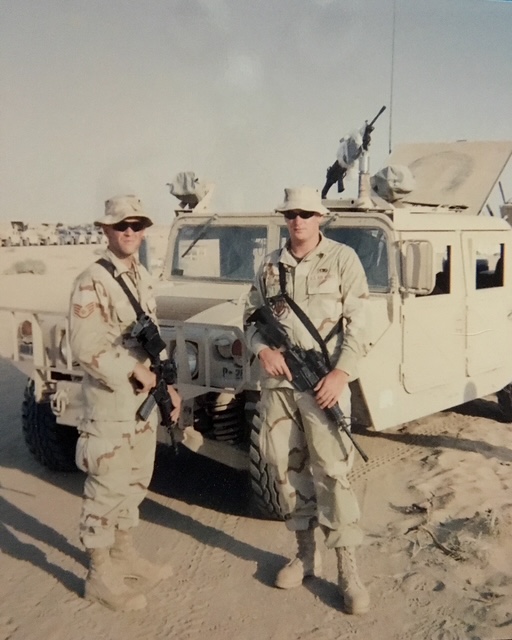
It was determined that Chuck ear drums and sinus cavity had burst due to the explosion and had three procedures done; he was in the hospital for six weeks. The sounds of airbrakes might as well have been an airhorn, when he heard them, he would look out the window and pray he didn’t know anyone that was coming in. Service members were not sent there for paper cuts, it was serious, and Chuck would often hear the screams of soldiers within the halls. He realized that he was among people who would not make it home, and that was one of the worst feelings in his life.
As trying as a time this was, the injuries inflicted eternal wounds that day and have transcended into his daily life and Chuck has come to terms with it will be this way the rest of the way.
The sound of a helicopter brings it back
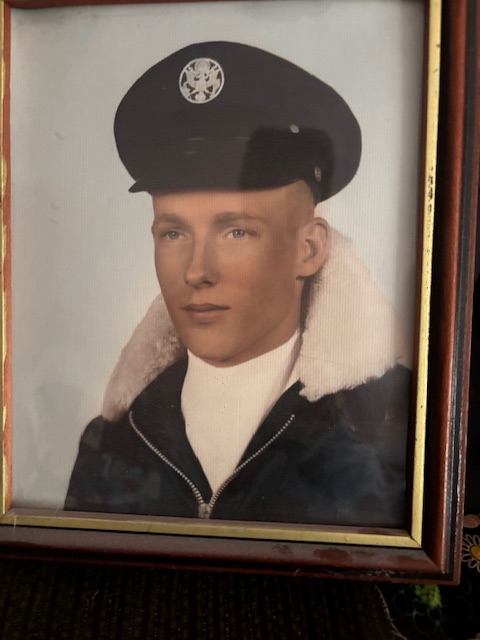
For PJ, when he hears a helicopter overhead, he will always hear it differently than the rest of us. He was an army medic on a helicopter during the Vietnam War, did two tours totaling 18 months. Right after the Tet Offensive, they were going into combat zones to get the wounded, get them on the helicopter, shoot who shoots at them while doing so, and get out. Both he and Chuck put into perspective what is considered a ‘rough job’.
Talking to PJ about his service, he remembers his service mates…his pilot was Dave Johnson. Great guy and PJ wished he could still talk to him.
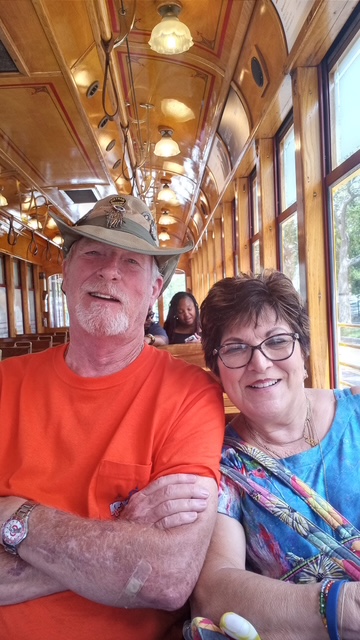
He suffers from haunting flashbacks and hallucinations from the war and what he saw, so much so that when his mom was alive, she urged him to get some help. He did and conveyed to me how it has helped him manage and navigate his life. The war has been over for 50 years…50 YEARS, and he still suffers from these flashbacks that wake him up on edge in the middle of the night. His therapist, and the fact that he can talk to someone, helps him get through the days and keep him mentally grounded knowing that he can’t simply turn off his war experiences and images, however he can manage it, talk about it, and live his life the best he can.
His wife Rita fully supports it as well, understands, and meets him where he is, mentally and emotionally, every day. Had his mental health gone untreated, PJ does not know what could have transpired only that he would be a lot worse.
“True heroism is remarkably sober, very undramatic. It is not the urge to surpass all others at whatever cost, but the urge to serve others at whatever cost.” —Arthur Ashe
Before moving forward, it all went sideways
Before deployment, Chuck was well tuned in to senior leadership at MacDill Air Force Base in Tampa having been around many Generals personally during the war, he drove and served as a trusted ear to the ground. His life from a work perspective seemed quite stable. His Air Force career started at Beale Air Force Base in California, and with the advantage of him being fluent in Japanese, was transferred to Yokota Air Base outside Tokyo; Chuck had spent the majority of his elementary school and high school years in Japan and knows the country very well. There are likely not that many descendants of Cuban immigrants who are fluent in Japanese…proud to know you, Chuck!
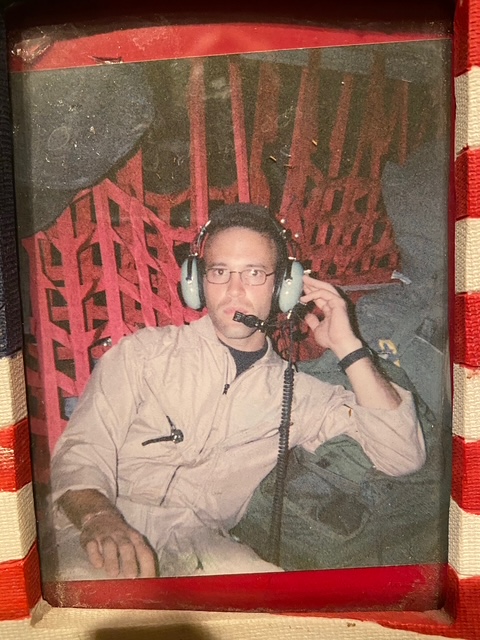
While stationed in Japan, he was one of the first American responders on site when the Sirin Gas attacks on the Tokyo subway happened in March 1995 killing 13 people and injuring over 5,800. With a coordinated response by the American and Japanese authorities, many of the attackers were found and arrested soon thereafter.
He eventually ended up back in Tampa (MacDill Air Force Base), working with the Joint Service Commands) being close to his family, and being married with two kids, he was incredibly great at his roles served for our country.
After his injury, he was placed on convalescent leave to heal from his injuries and ultimately ‘Med Boarded’, which is a process of medical evaluation and separation from service due to medical conditions. All that Chuck had worked for, achieved, relationships built in the Air Force, gone. In the same week, and upon return to Tampa, his wife wants a divorce. So, to summarize, he lost his brother, his military career due to injury, and his marriage all within three months.
A personal $&*! storm, and it all went sideways in a short time.
Chuck was drinking every day after the divorce, got a DUI, another one a year later, then another one six months after that; in between all that was arrested several times for alcohol related incidents. One morning, an epiphany, he knew he needed help or his life would be shorter than expected and he could hurt others with irreparable harm.
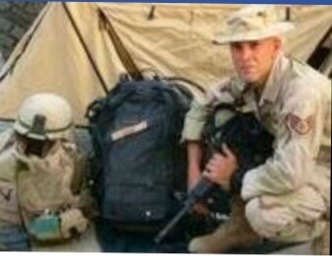
With his life going spiraling sideways and down, Chuck proceeded to pack his bags and went to the Veterans Hospital in Tampa and checked himself into Rehab, with now meaning NOW. After the nurse told him he could wait and get a referral, he said that the next person was in danger of being thrown out the window if it was not now, and he was admitted right then and there.
Chuck was in Rehab for just over 6 months; they were not nice (and it proved effective) and labeled what he was doing as a drug because it made him feel good (or better). He had lost everything in a span of around 120 days and self-admittedly was so messed up and miserable.
What he did know is that he could get help if he asked…and he did. What I learned is that if he doesn’t ask, others can ask on his behalf, and it will happen.
“Healing takes time, and asking for help is a courageous step.” – Mariska Hargitay
Shifting Gears
He has seen the best and worst of humanity, and his time in rehab allowed Chuck the time and perspective to gain traction and move forward again in life. The losses of his brother, marriage, fellow soldiers, and life in the Air Force had taken a mental and physical toll. After his release and checking on his injuries sustained in combat, a medical scan revealed TBI. He knew that for all intents and purposes, he more or less had a disability that was going to require management and attention daily.
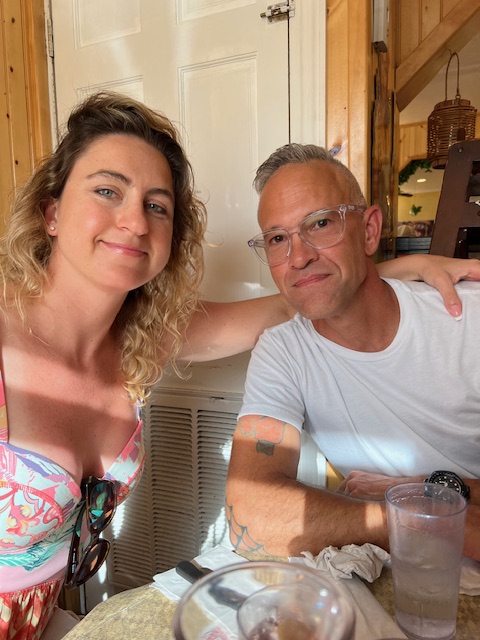
It was all too real to him when he checked into rehab at the VA hospital that he could have been THAT guy who lost it and made headlines for all the wrong reasons. He hates violence, however he is not afraid to confront it and gets angry when bad people hurt others; the bad guys are not going to counseling or checking into rehab either. In fact, his military training and post rehab mind enabled him to save a man’s life, and arm, during an attempted homicide that he helped thwart one night in Tampa. A man was stopped and shot in the arm, and Chuck was at the right place at the right time with some Quikclot and quick thinking; the bad guys did not win.
He is now remarried and his wife, Mary Ann, is very understanding with him and his mental health issues due to the TBI. It has to be regulated and scheduled, if there are any ‘curve balls’ thrown at him it can throw him off and Mary Ann makes sure to correct a situation if it happens. He credits Cognitive Behavior Therapy (CBT) learned during his time in rehab for managing his TBI condition and uses it all the time.
It is enriching for me to know Chuck’s and PJ’s stories, and am honored to share them with others who need encouragement.
Getting Chuck’s insights with regard to shootings across the country and the one we had in Southport by a former marine can serve as a lesson for us all.
Mental Stress on Veterans: More Than Ever and Getting Help
In case you are wondering how big of an issue this is…
It is estimated that 414,000 American service members and veterans experienced a traumatic brain injury (TBI) between 2000 and 2019, with many not even realizing they’ve had a TBI until months or even years after the incident. Signs that their brain has been injured include struggle with memory, sleep, mood swings, headaches, or concentration, thinking it’s just stress or aging. And TBI doesn’t end after the initial trauma; the ripple effects of the incident persist quietly, affecting how a person thinks, feels, works, and relates to others.
According to Dr. Eilaf Meenai (Traumatic Brain Injury and Mental Health in Veterans), another long-term consequence is the increased risk of PTSD, as TBI and PTSD often co-occur, and they also reinforce each other; for example, a brain already struggling to regulate blood flow and process emotional stimuli becomes more reactive to trauma reminders. The psychological toll of injury also causes a deep, lingering sense of sadness and disinterest in life. And these struggles can lead to suicidal thoughts or behaviors. Research shows that veterans with a history of TBI are at significantly higher risk of suicide than those without it.
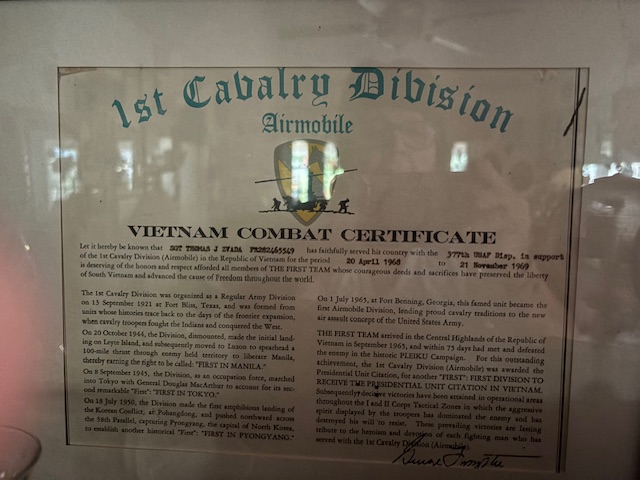
With Chuck and PJ’s wartime battles, experiences, and handling living life afterwards, their veteran perspective should help us all understand better what many veterans, and non-veterans, deal with when it comes to mental health and taking care of it. It may be hard to fathom; however the United States has now been involved in war (in some form) for nearly 25 years since 9/11. Causalities from the War on Terror are higher than other wars combined, noting:
“According to the Costs of War Project, the post-9/11 wars of the campaign have displaced 38 million people, the second largest number of forced displacements of any conflict since 1900,[28] and caused more than 4.5 million deaths (direct and indirect) in Afghanistan, Iraq, Libya, Pakistan, Somalia, Syria and Yemen.
Key findings from the project, which analyzes the human and budgetary costs of U.S. military operations in Iraq, Afghanistan, Syria, Yemen, and Pakistan, include:
– An estimated over 940,000 people were killed by direct war violence between 2001 and 2023.
– An estimated 3.6 to 3.8 million people died indirectly as a result of the destruction of infrastructure, economies, healthcare systems, and the environment caused by the wars.
– This brings the estimated total death toll (direct and indirect) to at least 4.5 to 4.7 million people and counting.
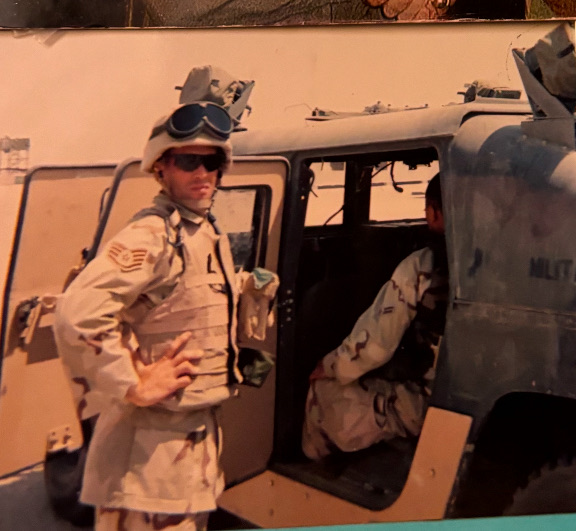
Those statistics both startle and numb the senses, and in spite of the numbers above and due to advances in medicine, we are saving people now that in former wars could not be saved due to the injuries inflicted. There is more mental stress than ever, to the point that we all in society need to be aware of how we interact with others, as we never know what will set someone off.
When we discussed the shooter in Southport, and the fact that he had a TBI, and in context of how Chuck has managed his own, he conveyed it is similar to CTE (Chronic Traumatic Encephalopathy) which is a progressive neurodegenerative disease caused by repeated head injuries, typically sustained in contact sports such as football, boxing, and hockey. The National Football League has spent millions on the subject as it has affected many athletes over the years.
As for preventing shooting events from happening, unless we want to live in a society as portrayed in the movie ‘Minority Report‘, unfortunately they will happen with the reason mostly being the perpetrator’s mental health. There is no easy answer, however talking with Chuck and PJ helped me understand the issues and circumstances.
So, what can we do other than offer thoughts and prayers after these events occur and shrug our shoulders? We can help, and it does not require being a veteran to do so. This applies to non-veterans in our lives as well, simply asking on their behalf for help if they are hesitant to do so.
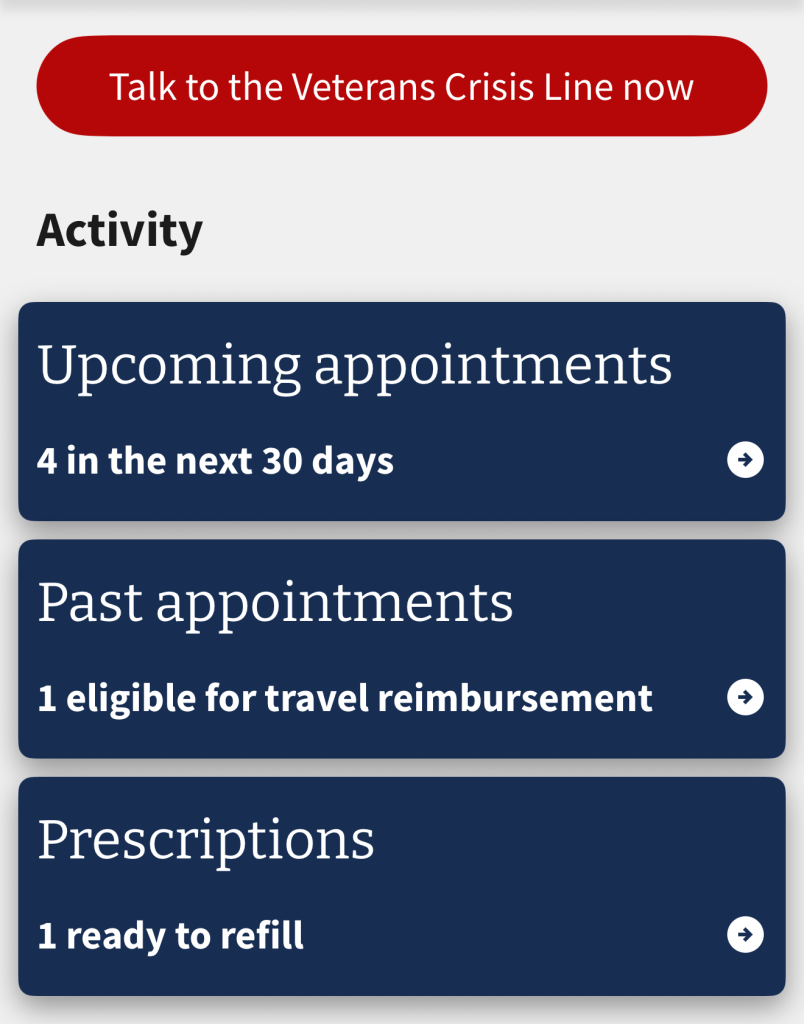
First of all, if someone you know is a veteran and is struggling with mental health, the VA App on their phone offers immediate assistance with the push of a button on the front page; the VA takes it seriously. Calling 911 and letting them know you know of a veteran who is mentally off and struggling and they need to contact VA and get them help, Chuck emphasized and encouraged that any of us can do that. However you need to ask, and we all should encourage others we know who are to do so…there is no shame in it whatsoever.
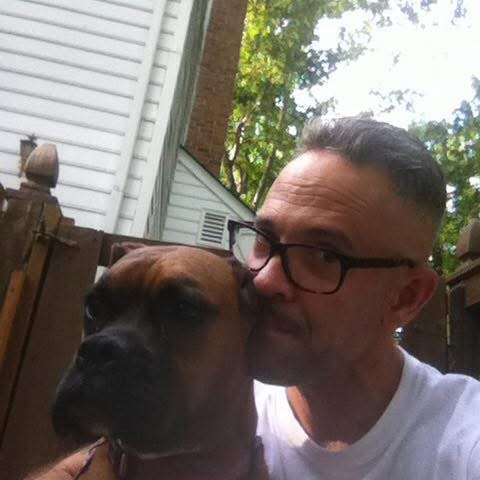
Though Chuck realizes he may be one of the few who voluntarily went to rehab, and it served him well, he does realize that the deck can be stacked against you, meaning that someone can face significant circumstances, conditions, or obstacles that make success or recovery extremely difficult. He conveyed that it could make it easier for veterans to openly talk about mental health, and perhaps progress can be made, by having other veterans that faced similar or relatable circumstances readily available to encourage them; just need to ask. That said, the VA does a lot for Veterans Mental Health that we may not be aware of, and a heartfelt conversation learning from two veterans who have struggled mightily serving our country, I am grateful for.
What Chuck and PJ have come to realize is that mental health evolves over time, and their experiences that happened to them are what made them who they are today; they are stronger and more resilient because of it…and grateful to be alive.
“Sometimes the loudest cries for help are silent.” – Harlan Coben
Beyond the door, would you know my name…healing through grief
When it came to bringing this all together, I could not help thinking of the story of Conor Clapton. He was four years old when his dad, Eric Clapton, was about to pick him up for some father-son time, lunch, and a visit to the Central Park Zoo. He then received a call that forever changed his life.
Conor (Clapton’s son with his ex-girlfriend, Italian actress Lory del Santo), was playing in the New York City apartment he shared with his mother on the morning of March 20, 1991. Conor accidentally fell to his death from the 53rd-floor residence through a window that had been inadvertently left open following janitorial work in the apartment. Clapton says he “went cold” and “shut down right away” after hearing the news. Upon entering the apartment, then filled with emergency service responders, Clapton recalls feeling like the scene had nothing to do with him. “I felt like I had walked into someone else’s life,”…and I still feel like that.”
Clapton described his bond with Conor as the closest relationship he had up to that point in his life, and he credits his son as being one of the main reasons he became and remains sober; he says the tragedy gave him the strength to fully commit to his sobriety instead of relapsing. Dealing with deep grief, he spent much of the months immediately following his son’s death alone, attending sobriety meetings and sought solace in his guitar and creating music. One of the songs he wrote reflects his personal healing process and serves as a powerful testament to his love and pain, and provides comfort as we struggle doing the same with our own.
For our Chuck, PJ, their fellow veterans and fallen friends, our Veterans, our Southport Community, the families of Michael Durbin, Joy Rogers, and Solomon Banjo, and others that need to hear this…may our communities strive to hold you up in your darkest hours, and remind you that beyond the door there is peace, as a gift from heaven, between all the tears.
This is for you.
Thank you for reading and until next time.
Ed
Resources for Veterans:
- Disabled American Veterans; 1-877-IAM A VET
- Veterans Crisis Line: Free, confidential support for veterans in crisis, available 24/7
- Call: 988, then press 1.
- Text: 838255.
- Chat: veteranscrisisline.net/chat.
- Military OneSource; confidential counseling and support
- Wounded Warrior Project; Veteran Programs & Support
- Department of Veterans Affairs, Mental Health

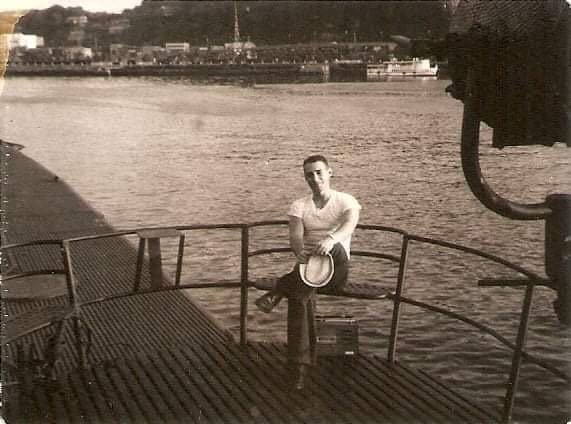
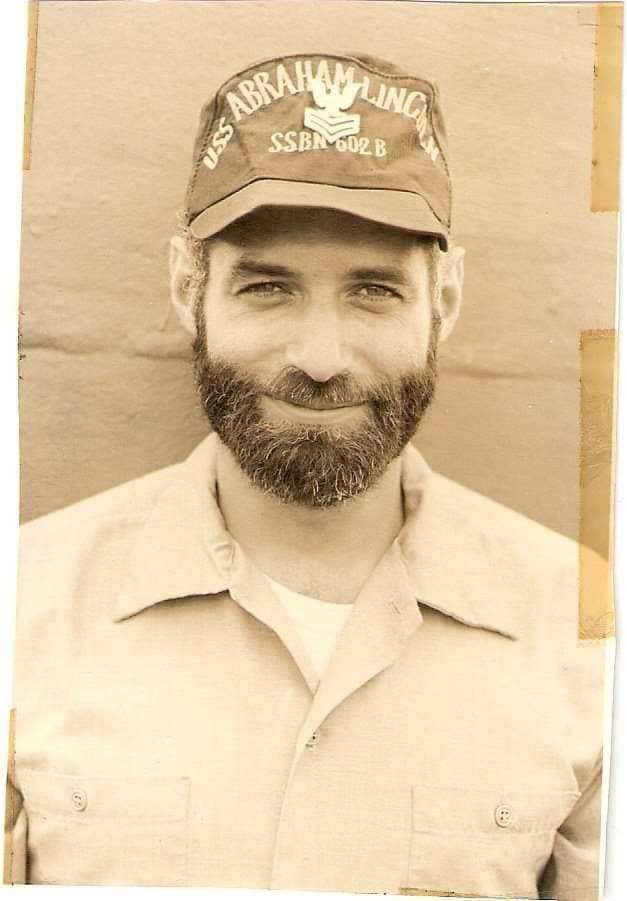

 Bleed As One